In this section:
- Importance of local and grassroots leadership
- Supporting bandwidth for local leaders
Economic development through outdoor recreation doesn't come from the top down, it comes from energetic local champions who are motivated to get behind the work.
For outdoor recreation to take hold as a viable economic driver within a rural community, the community must have people who love recreating outdoors and see the potential for recreation access to benefit everyone, from youth and families to small business owners and healthcare providers and everyone in between.
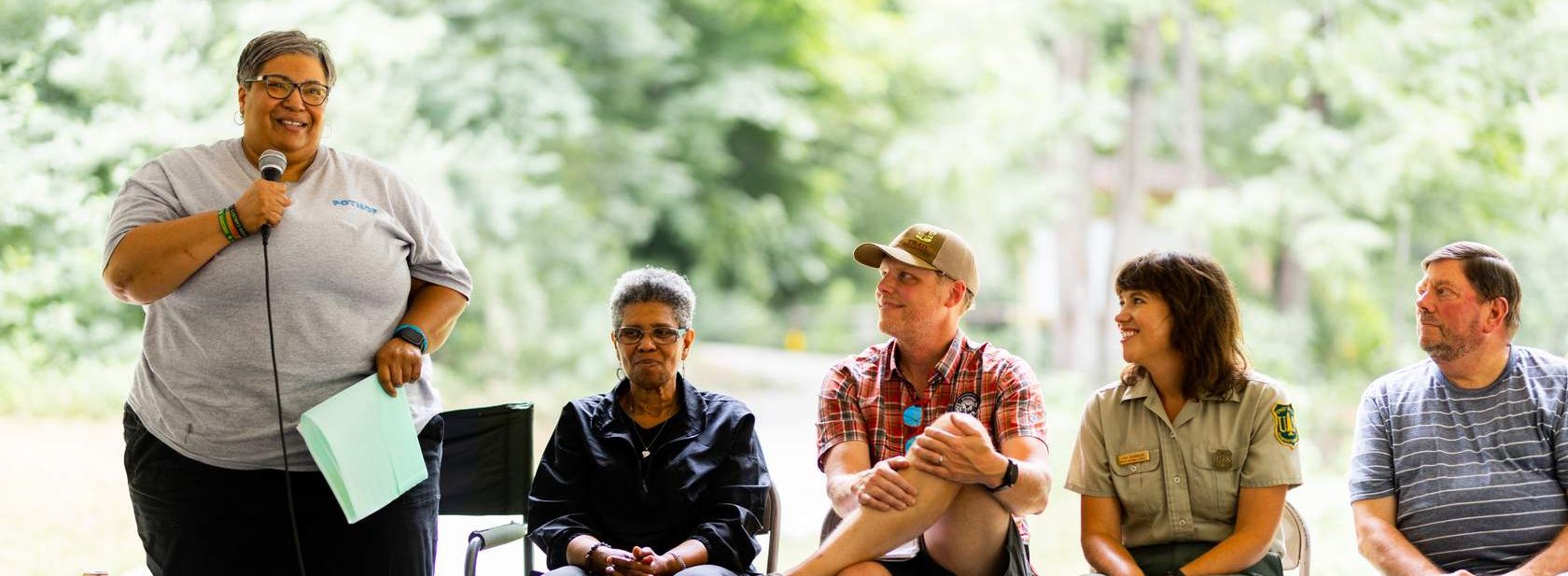
When outdoor rec efforts are pushed solely by state or local government—they're often viewed with suspicion… It's important that advocacy comes from the grassroots.
Whether they are a passionate kayaker, biking club leader, climbing advocate, camp director, or business owner, champions are people who can speak to the importance of outdoor recreation personally and the potential for it to benefit the community as a whole.
In particular, it is important that these people understand the valuable role all community members play, especially on lines of race, class, and disability, not just those who have historically enjoyed access to the outdoors.
In the perspective of Jim Glover, an outdoor community brand consultant from New Mexico, these community leaders should highlight not just the experiential benefits that come from new outdoor recreation investments, but also the new jobs and career opportunities that will emerge in a growing outdoor recreation economy.
It is critical to recognize the talent and resources it takes to champion outdoor recreation coordination among many interests. Efforts often stall, or even fail, when there is not a dedicated local leader who is compensated for their work, whether through an agency or through a nonprofit collaborative that multiple stakeholders contribute to.
Compensating Leaders
In many situations, this leadership can be as time-consuming as a full-time job. As leaders emerge within a community, state and local agencies or nonprofits may consider compensating them for time spent on administrative work and coalition-building.
Getting local support doesn't happen overnight. It takes a lot of effort to be relevant and to be present in the right settings to get higher on the list of priorities that rural communities are trying to juggle. Find your outdoor allies on the town or community council and find the balance between being the proverbial squeaky wheel and the pesky recreation nut.
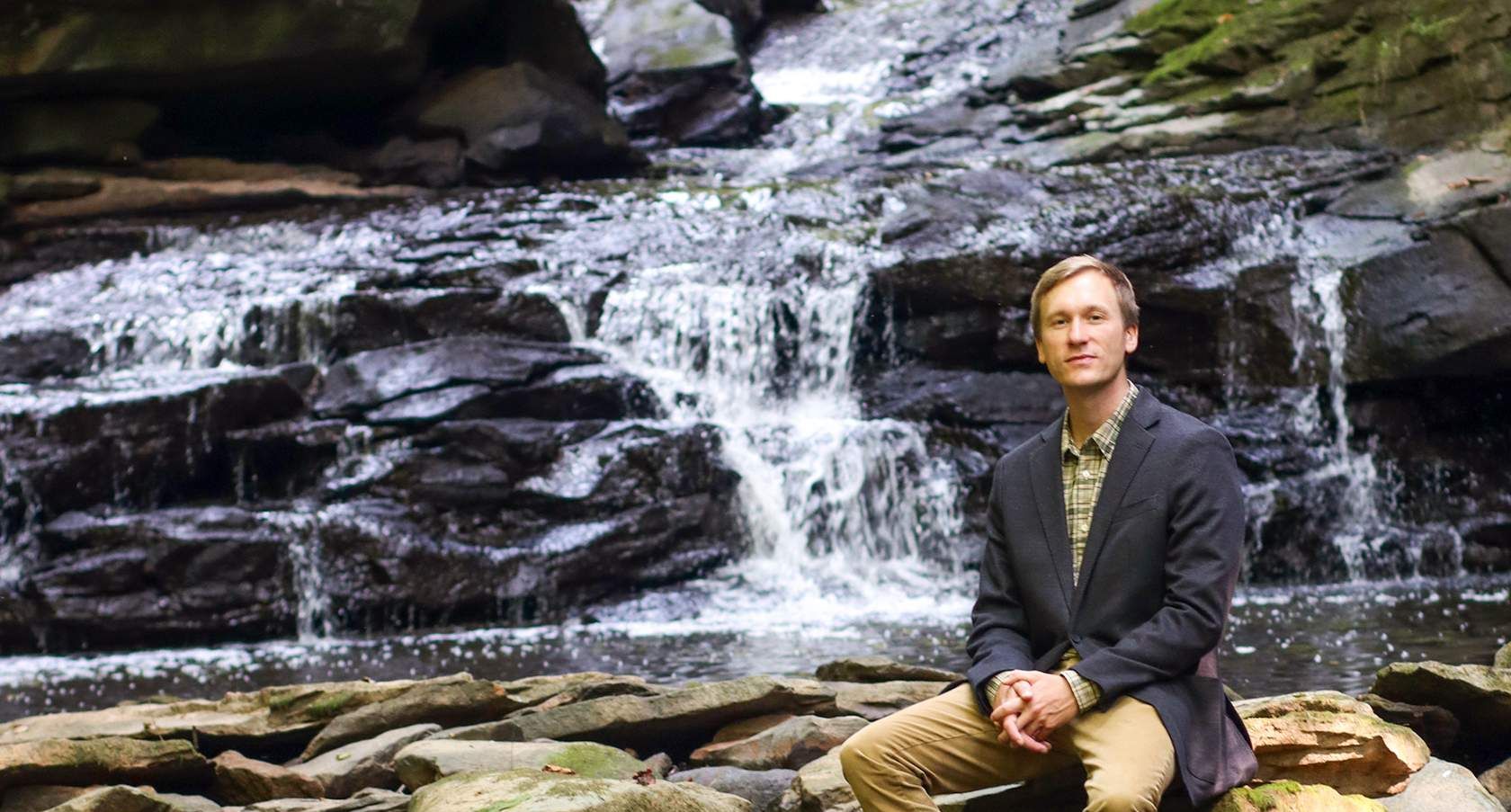
Corey Lilly, Former Director of Outdoor Economic Development for Beckley, WV, is his community's local champion.
Corey is a 10th-generation West Virginian who built a sterling reputation as a professional skier and kayaker before turning his attention to the potential for the community to build a bright future around outdoor recreation.
Living on the doorstep of the New River Gorge National Park and Preserve, Corey noted that there was a significant opportunity to build local recreation infrastructure as a means to attract and retain young, professional adults and tap into the millions of park visitors each year to provide economic and health benefits to his home community. After gaining prominent local recognition for a notable kayak rescue while building relevant professional experience as the leader of a local environmental NGO, he saw a window of opportunity to make his case.
Corey framed his message with local leaders and stakeholders around two stubborn trends in his region.
- First, population loss, especially of young people, leading to a deficit of pride and new talent in the region. He wanted to help stop brain drain and reverse the trend of population decline through investments in outdoor recreation as a core pillar in quality of life for young professionals with a family.
- Second, like many regions in Appalachia, Beckley has dealt with an increase in opioid abuse and opioid-related health issues, which also has to do with the void left by the decline of the coal industry. Outdoor recreation access would help provide a multitude of mental and physical health benefits and otherwise help residents develop meaningful habits that may otherwise be replaced by drug use.
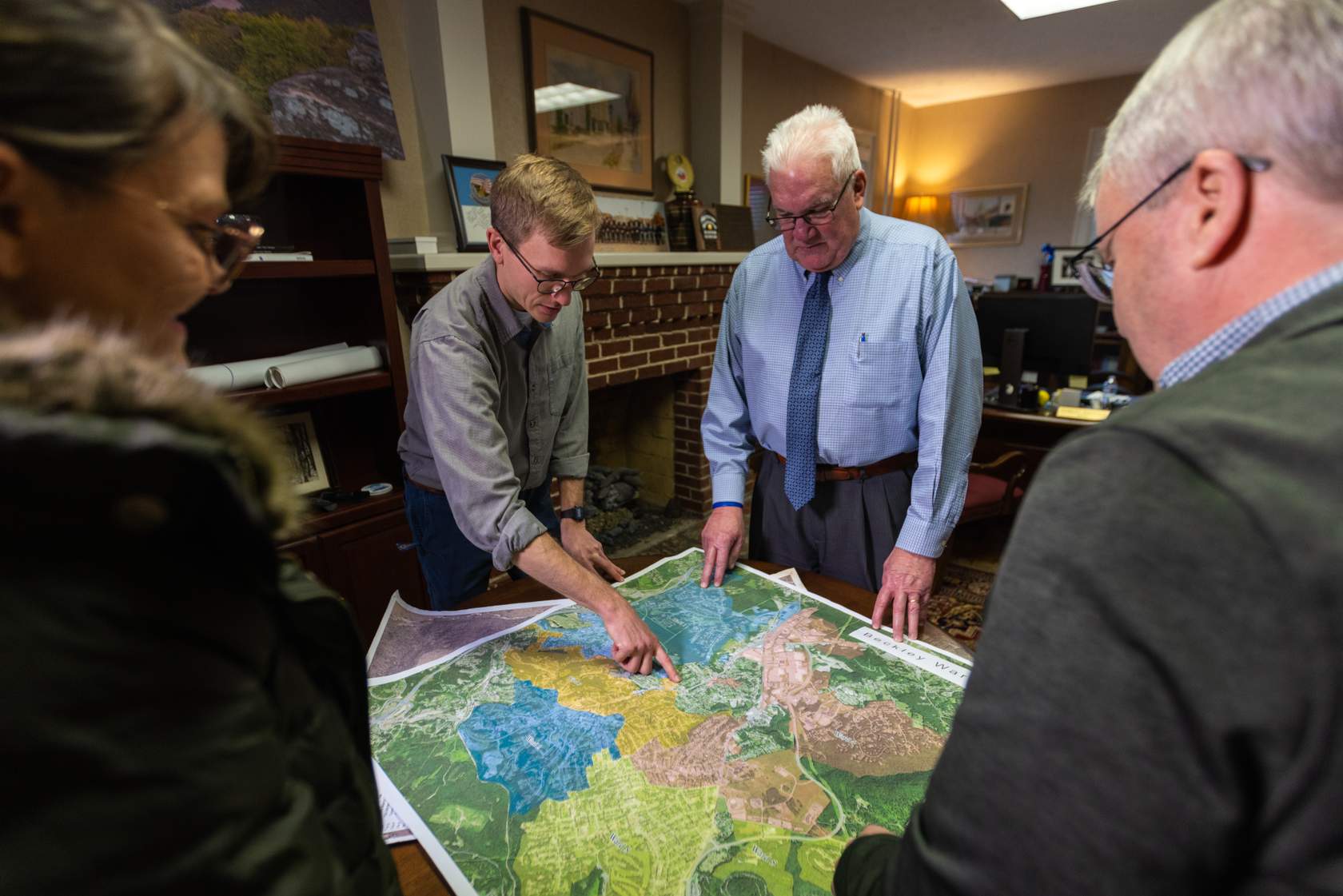
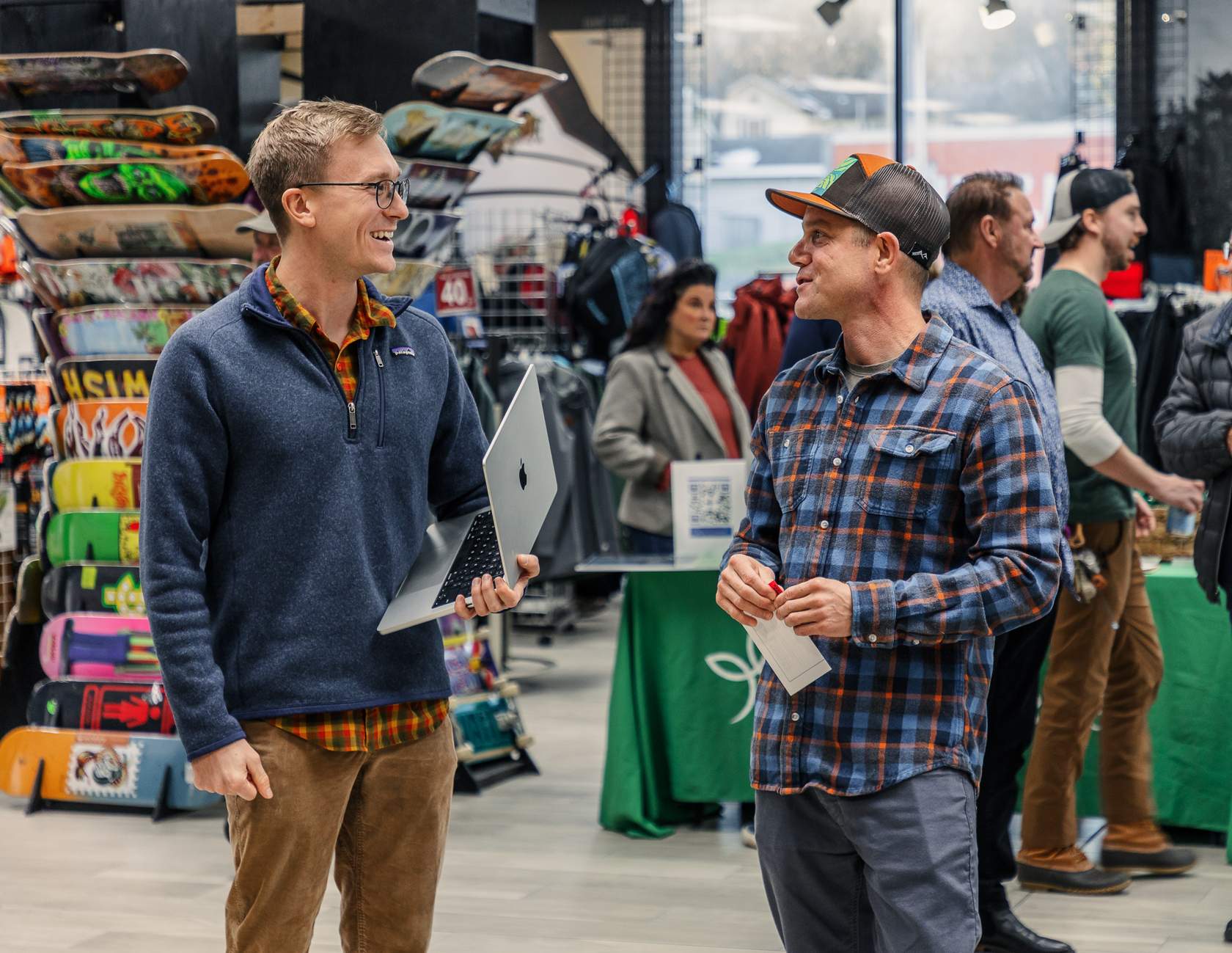
Corey presented a vision to ignite the outdoor economy in Beckley, centered on the four pillars developed by the Confluence of States: Economic Development, Public Health, Workforce Development, and Conservation and Stewardship.
In short, Corey displayed a personal passion for outdoor recreation and its economic development potential for Beckley, earned the respect of stakeholders, identified prominent issues that were already defined for the community, and connected his vision to solving those problems.
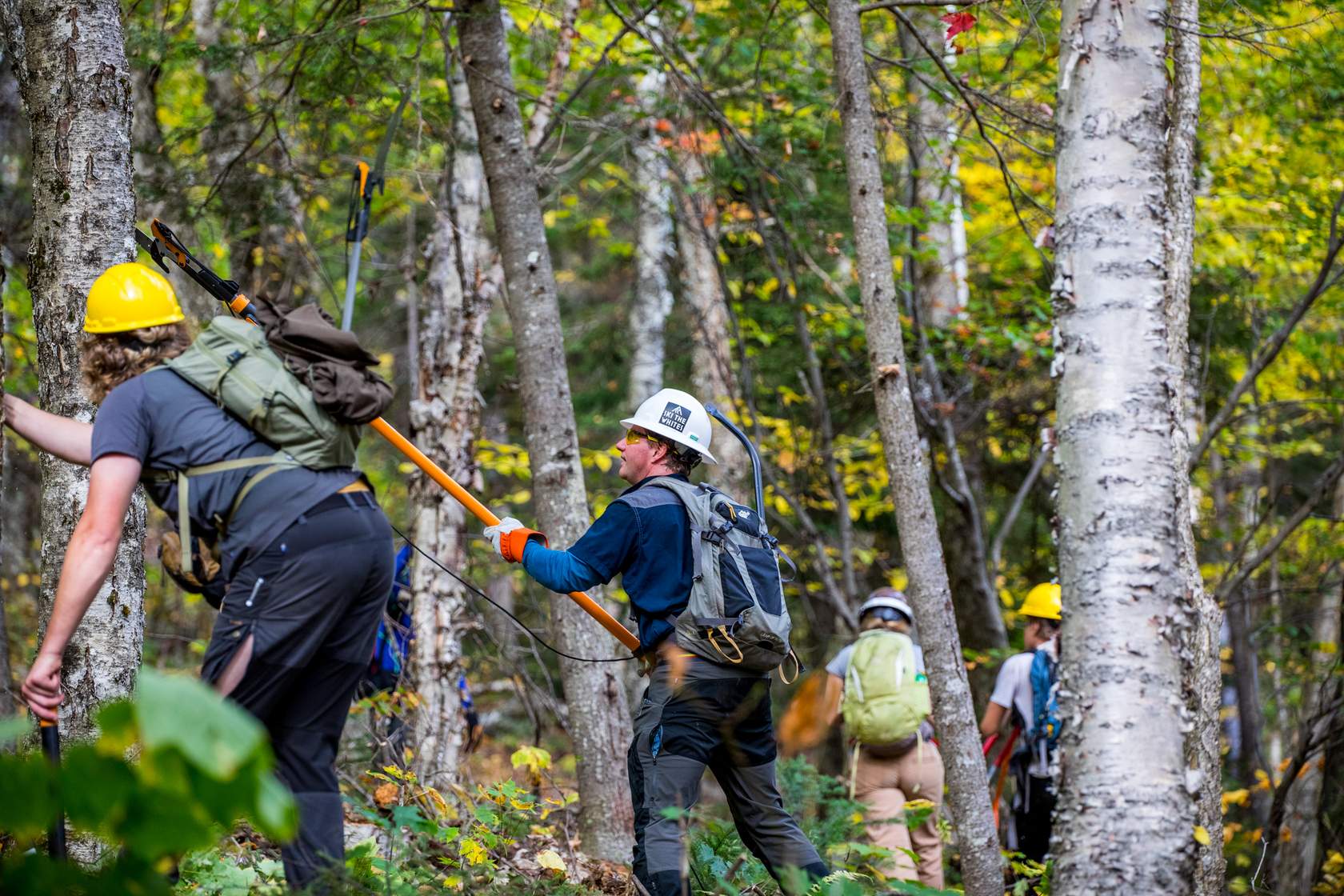
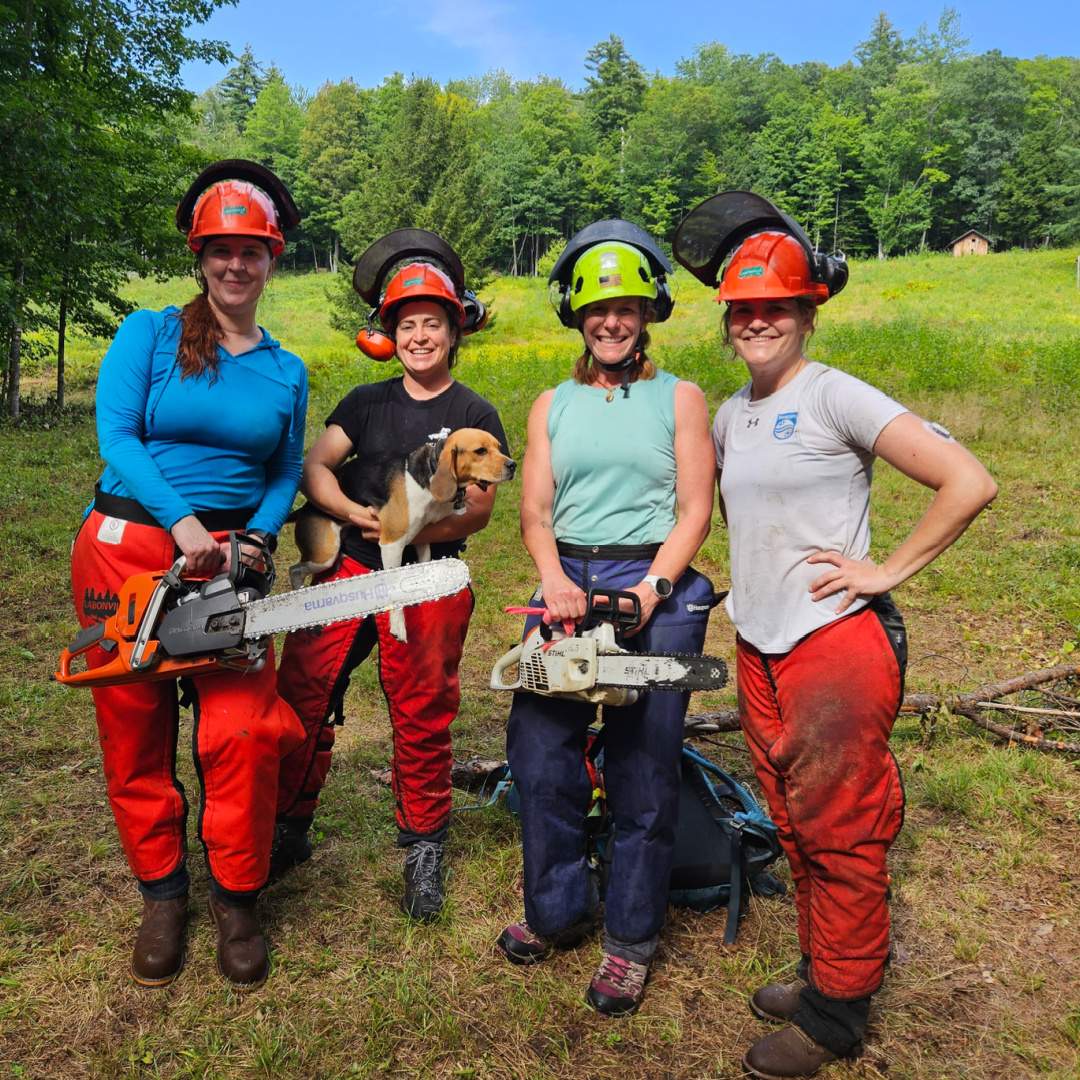
Local champions have the unique ability to build a fun and inclusive culture that brings many partners to the table, including volunteers who can help spread the value of the work and save significantly on development and maintenance costs.
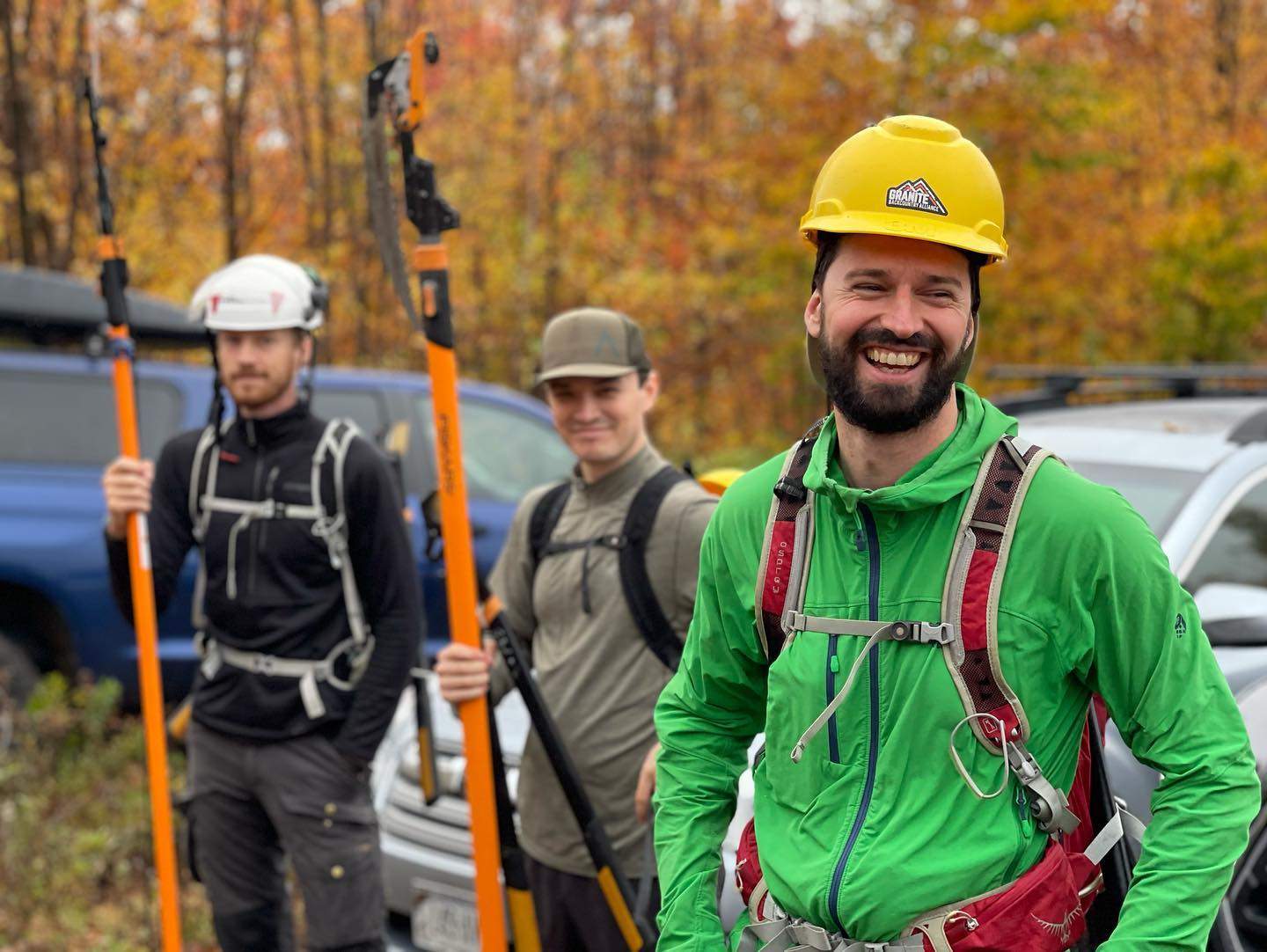
Founded by local backcountry skiing advocate Tyler Ray, Granite Backcountry Alliance (GBA) seeks to enhance wintertime outdoor recreation across New Hampshire and Western Maine by developing its network of low-impact human-powered backcountry skiing known as Graniteland.
Since 2016, GBA has developed 13 glade zones with over 45,000 ft. of vertical drop and maintained an additional 10,000 ft. of vertical drop on four historic ski trails through more than 33,000 hours of volunteer work.
Collaborating with landowners, local businesses, state and national forests, and land trusts, GBA has generated terrain supply in Graniteland to meet the surging demand of backcountry skiing, the fastest-growing segment in the ski industry.
This short video captures the inspired locals behind the Granite Backcountry Alliance.
Perhaps most valuable to their work, GBA seeks to build a culture where everyone is welcome to contribute to the infrastructure development and community character of the sport. Volunteer opportunities and events throughout the year, including GBA's fall glade days and the springtime Wild Corn Backcountry Shindig connect members of the community to GBA’s vision for a thriving outdoor recreation economy in the North Country.