In this section:
- Types of Recreation Infrastructure
- Types of Traditional Infrastructure
- Climate Resilience
- Accessibility in Recreation Infrastructure
- Infrastructure Building Considerations
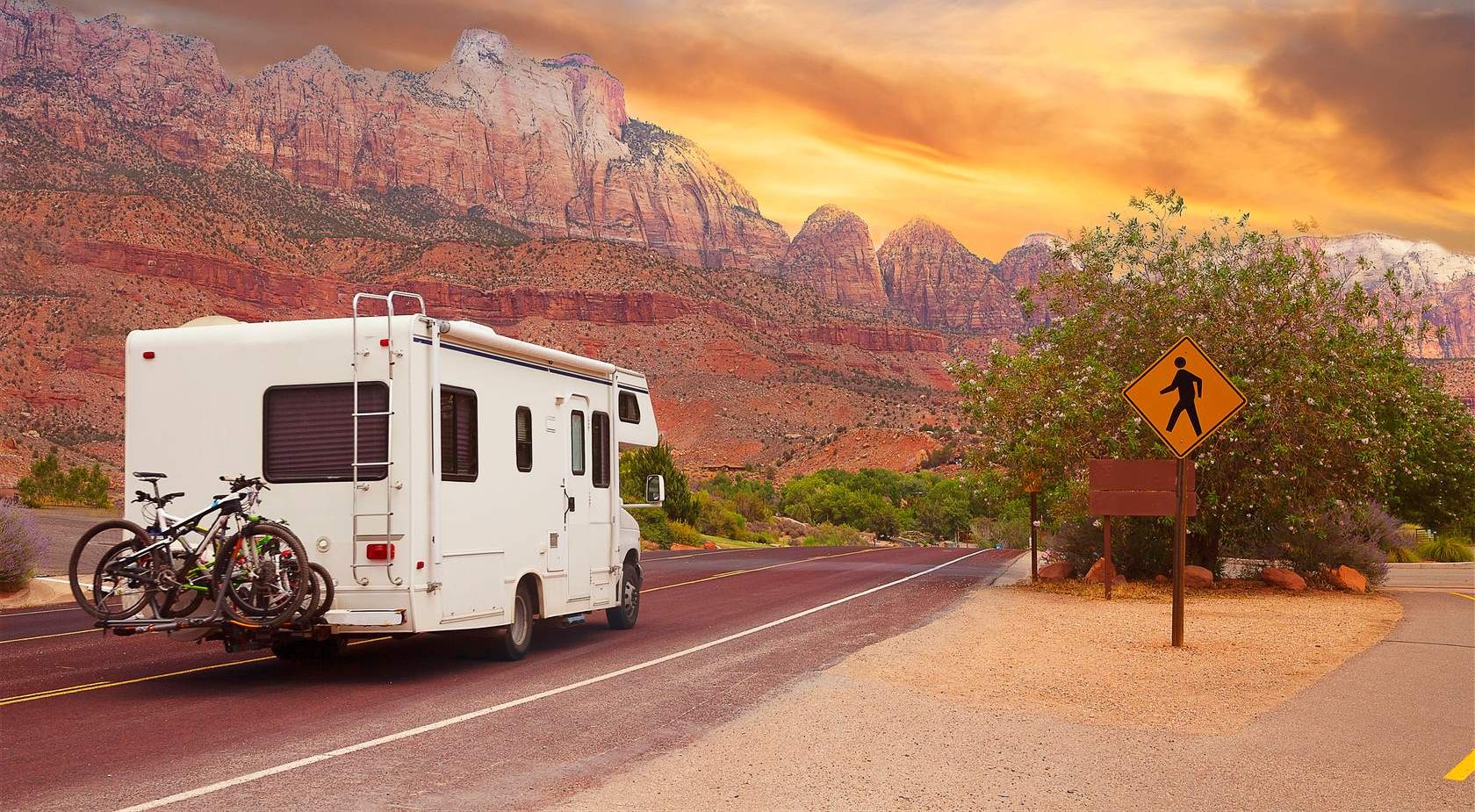
A core contributor to one’s enjoyment of a recreation community is the quality of its infrastructure—both recreation-focused (trails, marinas, RV parks and campgrounds, ski lifts, etc) and traditional (buildings, roads, power supplies, etc).

Infrastructure is the most important thing. If you establish the monument and don't do anything to improve the infrastructure, it's like building a billboard and putting it in your basement.
This section is dedicated to strategies identified by interviewees to design and maintain infrastructure of all types.
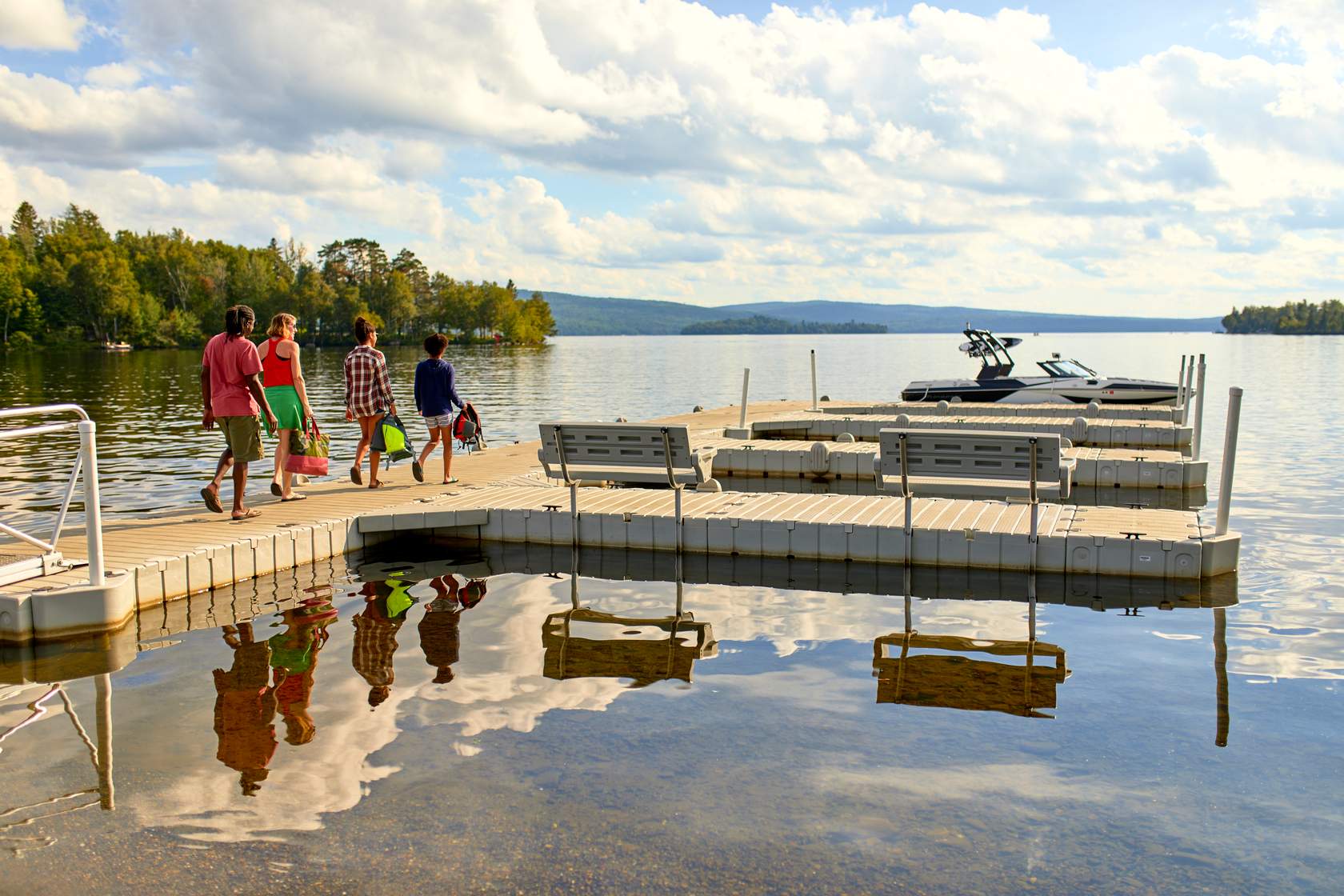
As covered earlier in this toolkit, recreation infrastructure can look many different ways, including parking lots, trailheads, trails, built features for mountain bike riders, horse corrals, marinas and boat launches, campgrounds and RV parks, ski lifts, and many others. Historically, recreation infrastructure has been undervalued and underfunded, and/or designed prior to today’s level of recreation interest and modes of transportation, and not updated to 21st century standards.
Below is a list of resources shared by Outdoor Recreation Roundtable members to guide workers and volunteers in developing high-quality recreation infrastructure across a variety of activities.
Bike
- American Association of State Highway and Transportation Officials,
Guide for the Development of Bicycle Facilities- This guide provides information on how to accommodate bicycle travel and operations in most riding environments. It is intended to present sound guidelines that result in facilities that meet the needs of bicyclists and other highway users.
- California State Parks, Mountain Bike Trail Designs
- This chapter is dedicated to the construction and maintenance of mountain bike trails, which are designated for non-motorized bicycles equipped for off-road use. Hikers may also use these trails, but they are not the intended primary user group for whom the trail is designed to accommodate. These trails are designed to meet the requirements of mountain bikes and their riders, protect resources, and achieve a durable and maintainable trail.
- International Mountain Bicycling Association, Resource Hub
- IMBA's online resources offer free, easy-to-access information for mountain bikers and trail champions. Search our collection of PDFs, videos, books, and graphics to further your local advocacy efforts.
- International Mountain Bicycling Association (IMBA), Mountain Bike Trail Development Guidelines (Paid)
- Mountain Bike Trail Development - Guidelines for Successfully Managing the Process was written for land managers (professionals in city, county, state, federal, land trust, and special use permit entities such as ski area managers) who have the responsibility of bringing bike-optimized mountain bike trails to their communities. Released in 2023, this guide is solely focused on mountain biking and the unique aspects that the activity brings to the park planning process.
Boating / Marina
- States Organization for Boating Access, Design Handbook for Recreational Boating and Fishing Facilities
- This handbook is about the design of recreational boating access facilities and provides information on how to accomplish their construction. It also discusses design of barrier-free access to boating and fishing facilities, breakwaters, and certain marina components.
Camping / RV
- OHI, Outdoor Hospitality Handbook
- The National Association of RV Parks and Campgrounds (National ARVC), in collaboration with its members and stakeholders, has developed this handbook for park operators. They focus on health, safety, risk management, and consumer-facing services.
The purpose of this handbook is to provide a framework for encouraging best practices in establishing policies and procedures. They are not meant to be prescriptive or micro-manage how a park operates. Rather, they are deliberately broad, outcome-based statements and benchmarks that are applicable and adaptable to parks of any size or budget. Each park must use its independent judgment in deciding how to best implement these best practices.
- The National Association of RV Parks and Campgrounds (National ARVC), in collaboration with its members and stakeholders, has developed this handbook for park operators. They focus on health, safety, risk management, and consumer-facing services.
- National Fire Protection Association Standard for Recreational Vehicle Parks and Campgrounds
- This standard provides construction requirements for safety and health for occupants using facilities supplied by recreational vehicle parks and campgrounds offering temporary living sites for use by recreational vehicles, recreational park trailers, and other camping units.
- RV Industry Association EV Pull-Through Charging Considerations for RVs: Reimagining the EV Charging Landscape to Support Future Innovation
- As the United States (US) continues its transition to vehicle electrification, the federal government is investing $7.5 billion through Fiscal Year 2026 – $5 billion for DC fast charging – to deploy public electric vehicle (EV) charging infrastructure to drive adoption and alleviate the range anxiety that many consumers still feel. Unfortunately, nearly all publicly deployed charging infrastructure features traditional pull-in charging designs that presents challenges for a growing category of use cases – EVs towing recreational vehicles (RVs) or other recreational trailers, electric-assist RV trailers, electric motorized RVs (eRVs), as well as other
electrified medium- and heavy-duty (M/HD) vehicles.
- As the United States (US) continues its transition to vehicle electrification, the federal government is investing $7.5 billion through Fiscal Year 2026 – $5 billion for DC fast charging – to deploy public electric vehicle (EV) charging infrastructure to drive adoption and alleviate the range anxiety that many consumers still feel. Unfortunately, nearly all publicly deployed charging infrastructure features traditional pull-in charging designs that presents challenges for a growing category of use cases – EVs towing recreational vehicles (RVs) or other recreational trailers, electric-assist RV trailers, electric motorized RVs (eRVs), as well as other
Horse
- U.S. Forest Service, Equestrian Design Guidebook
- The prerequisite for developing any recreation site is access and permission to use the area. Other factors that come into play include: user preferences, safety, budgets, legal requirements, site limitations, and climate. A good recreation site meets the needs of users, minimizes conflicts, and has an appropriate level of development, while protecting the natural environment. Careful planning is the key to a successful equestrian recreation site, whether it is a trailhead, single-party campground, group camp, or a combination of the three.
- Outdoorasaurus, What is Equestrian Camping?
- "What is equestrian camping? Equestrian camping is quite simply camping out with your horse. It’s a great way to travel to new places, enjoy different locations and scenery, and maybe take in some training sessions at an equestrian centre."
OHV
- National Off-Highway Vehicle Conservation Council OHV Trail Development: Great Trails: Providing Quality OHV Trails and Experiences
- Great Trails: Providing Quality OHV Trails and Experiences authored by Dick Dufourd and published by NOHVCC has been internationally recognized as the must-have guidebook for OHV trails and provides the curriculum for NOHVCC’s Great Trails workshops.
- National Off-Highway Vehicle Conservation Council OHV Field Guide: Great Trails Field Guide
- "The process of creating great OHV trails starts with an understanding of the fundamental principles of OHV management. These principles need to be carried through planning, design, implementation, maintenance, and program management and they apply to existing trails and
new trails."
- "The process of creating great OHV trails starts with an understanding of the fundamental principles of OHV management. These principles need to be carried through planning, design, implementation, maintenance, and program management and they apply to existing trails and
Trail
- U.S. Department of Transportation, Trails as Resilient Infrastructure
- This guidebook (“the Guide”) demonstrates how trails are part of resilient transportation infrastructure, how trails can be planned and designed to be resilient and sustainable, and how trails have a role in emergency
planning and response.
- This guidebook (“the Guide”) demonstrates how trails are part of resilient transportation infrastructure, how trails can be planned and designed to be resilient and sustainable, and how trails have a role in emergency
- Trail Skills Project, Trail Skills Resource Library
- This library contains a deep repository of resources for trail design and construction.
- IMBA, Trail Accelerator Grants
- Trail Accelerator grants provide a jump-start to communities that have the interest and political support to develop trail systems but need assistance to get projects up and running. A Trail Accelerator grant offers awardees professional trail planning and consultation services to launch their trail development efforts, which can often leverage additional investment from local, regional, and national partners.
- Vermont Town Forest, Trail Design Guide
- The Vermont Town Forest Trail Design Guide was developed as part of the Vermont Town Forest Recreation Planning Toolkit, an initiative of the Vermont Urban and Community Forestry Program, to provide general guidance for designing and developing trails in
town forests and beyond. The guide provides trail planning, design, and development guidance, drawing from a combination of national standards and best practices.
- The Vermont Town Forest Trail Design Guide was developed as part of the Vermont Town Forest Recreation Planning Toolkit, an initiative of the Vermont Urban and Community Forestry Program, to provide general guidance for designing and developing trails in
Tribal Trails and Active Transportation
- U.S. Department of Transportation, Tribal Development of Trails and Other Dedicated Pedestrian and Bicycle Infrastructure
- This white paper provides information and resources for Tribes, Tribal trails and active transportation advocates, and other agencies on the health and economic benefits of trails, funding opportunities, partnership opportunities, and resources for trail planning. It highlights examples of successful trail plans and projects implemented by Tribes and their partners.
Whitewater Parks
- S2O, WHITEWATER PARK TOOLKIT: A Paddler’s Guide to Championing a Local Project
- The purpose of this Whitewater Park Toolkit is to serve as a guide for whitewater enthusiasts, anglers, and other community stakeholders to advocate for the development of a local in-stream whitewater park in their community. It provides a general understanding of the process, player, and costs involved in building a fun, safe, and environmentally friendly resource.

In order to sustain the economic benefits of outdoor recreation investment in rural communities, we have to deal with and invest in the operations and maintenance challenges as well.
Gilbert's comment appears in ORR's Trail Map for Rural Development in America, which also asks funders to include operations and maintenance funding for recreation infrastructure from the start.
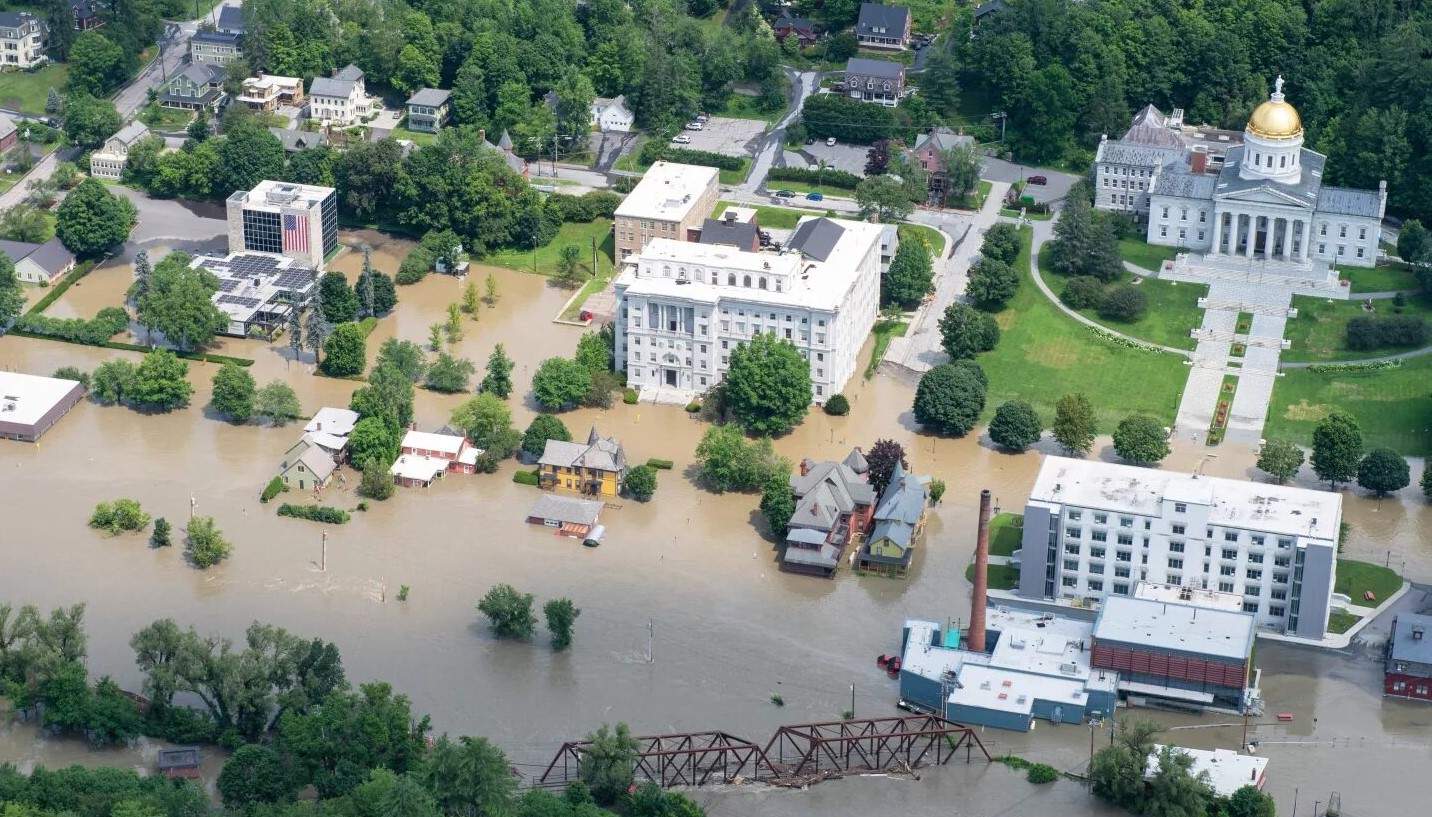
Since the initial publication of this toolkit, climate-related, severe weather has devastated rural communities reliant on outdoor recreation assets, including wildfires across the West and Hawaii, droughts impacting Lake Powell and Lake Mead, floods in Yellowstone, Vermont and Kentucky. These tragic events underscore the need for proactive preparation at the local and regional level to provide safety measures for local residents and businesses and plans for rebuilding with more resilient infrastructure.

Increasingly warm winters and severe flooding are spurring conversations about climate adaptation and resilience in the State of Vermont and we’re starting to think about what systems and infrastructure we can put in place to ensure that our outdoor recreation spaces, communities and businesses are able to evolve as the climate changes.
Interviewees suggested a number of strategies to mitigate these damages before they happen, including:
Creating community-wide disaster plans to guide communication and prioritization during extreme events (see this from the New York Times).
Designing recreation infrastructure with an eye to severe weather (see this from Climate.Park.Change.)
Siting of homes, buildings, and other critical infrastructure in geographies less susceptible to fire and flooding.
Building homes and buildings with flood and fire-resistant materials.
Building new infrastructure like microgrids and water storage to adapt to disasters when they happen (see this on Disaster-Resilient Infrastructure from GovPilot).
Creating business-support services immediately in the wake of natural disasters (like this from the Vermont Outdoor Business Alliance).
Educating homeowners and businesses on flood- and fire-management best practices both in advance of and during events (see "Wildfire Risk to Communities” from the USDA Forest Service, “Flood Safety Social Media Toolkit” from Ready.Gov, and the Aspen Institute Community Strategies Group case study on repeated flooding in rural communities).
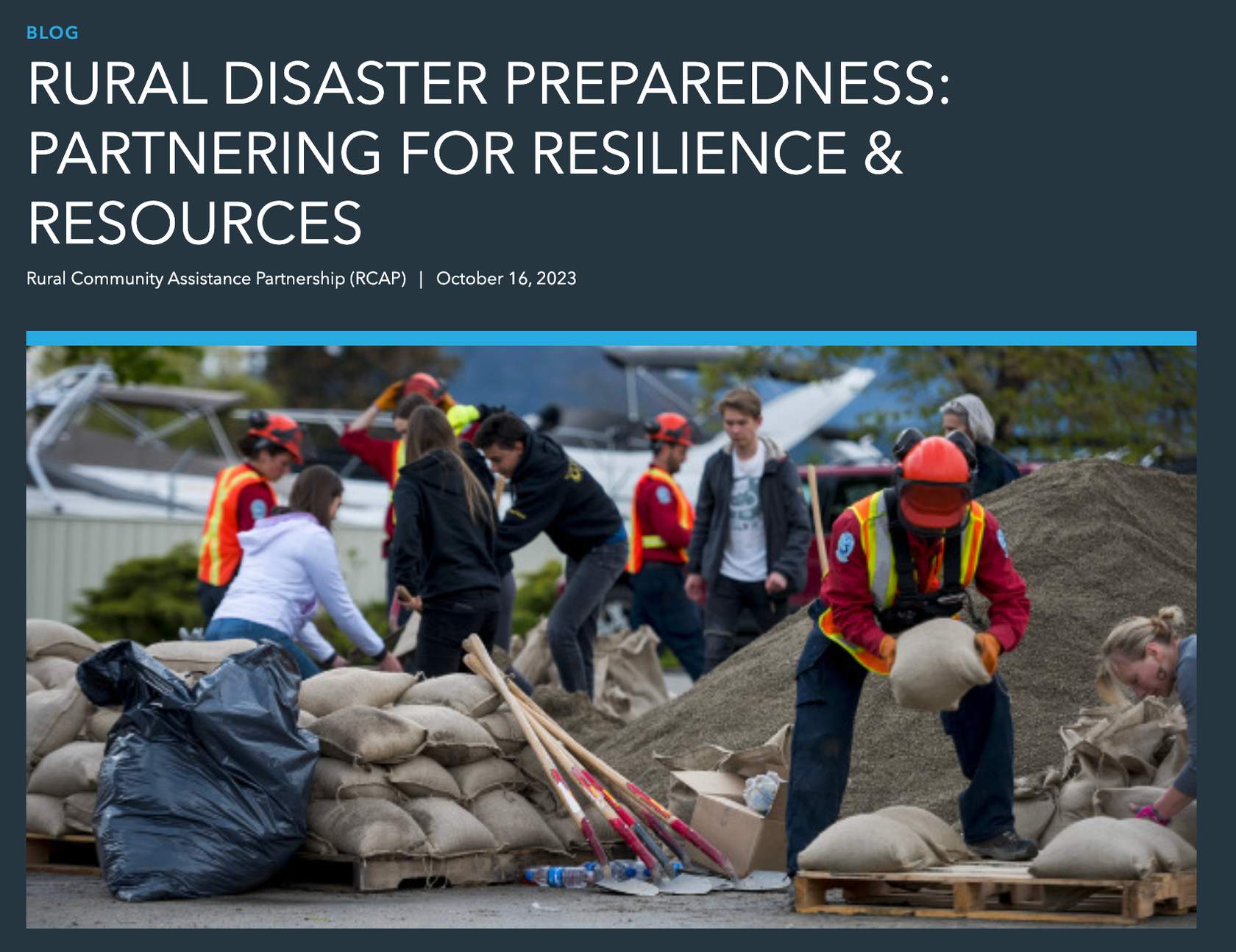
In some rural towns like Butte Falls, Oregon, community leaders are seeking to address climate adaptation and economic development objectives in one fell swoop by thinning and burning unwanted foliage to cultivate open groves of old-growth trees as well as build a trail network and recreation amenities to attract outdoor tourism to town. To dive deeper into resilience, take a look at the Aspen Community Strategies Group's "Rural Disaster Preparedness: Partnering for Resilience and Resources," which outlines trends and resources sourced from hundreds of rural research participants in a recent survey.
ORR's Hurricane Helene micro-grant recipients restored trails, rivers, and access points across the Southeast. One, SORBA–Central Savannah River Area, cleared 13,800 fallen trees with more than 10,000 volunteer hours. ORR's article Lessons for Resilience shares what they learned:
- Invest in Your Networks Before You Need Them
- Early Funding Acts as a Catalyst, Sustained Funding Enables Resilience
- Restoring Access Is Only Half the Job — Restore Confidence Too
- Flexibility Turns Setbacks into Assets
- Prepare for the Long Haul — and Pace Accordingly
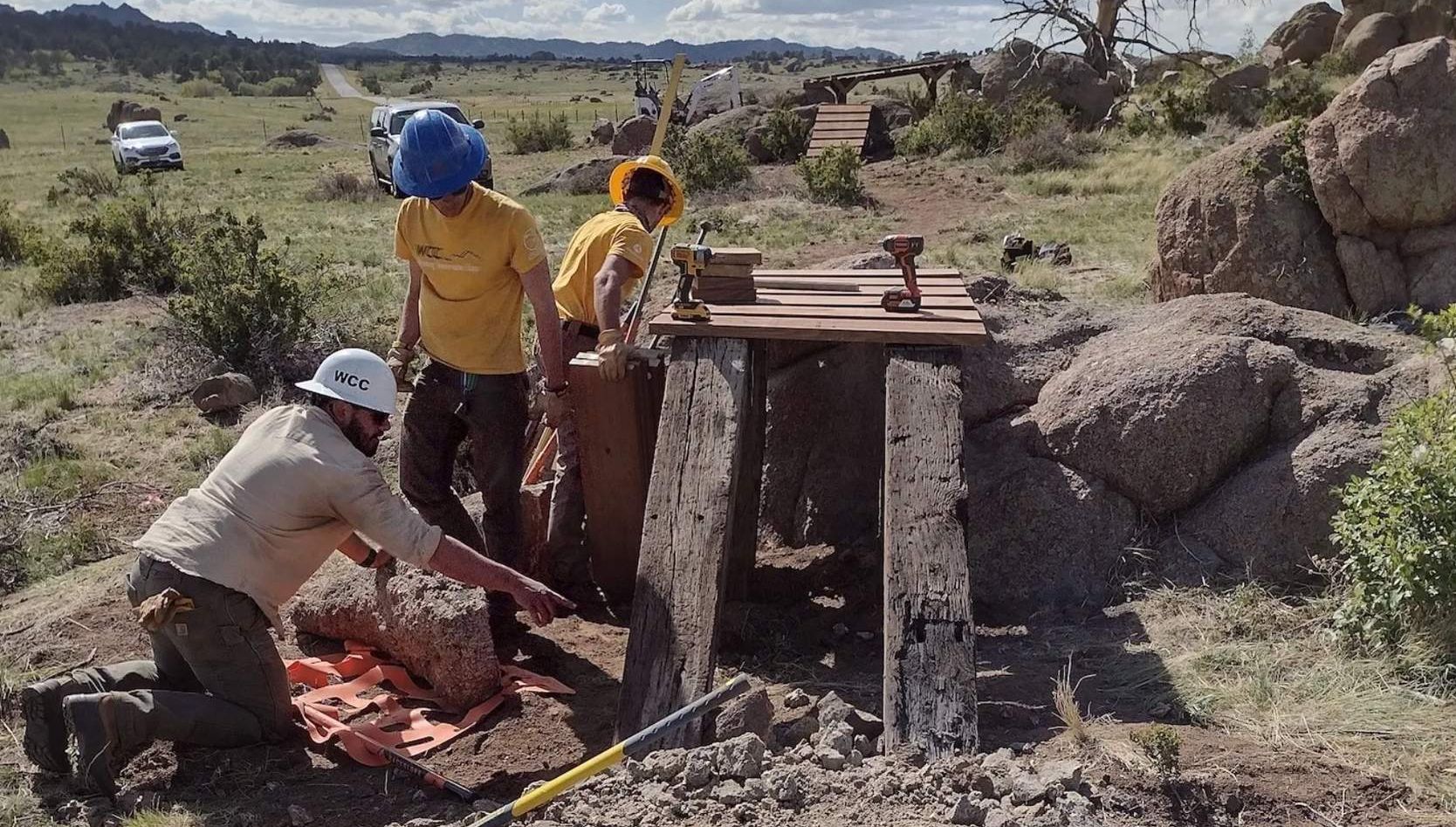
On top of the infrastructure itself, the way it is oriented across geography is important to reducing user impact during a time when recreation use is at an all-time high.
Curt Gowdy State Park in Wyoming, which has seen a 900% increase in recreation use after trail-building, provides valuable insight into the big-picture considerations of a recreation project. Utilizing professional assistance from the International Mountain Bike Association, crews and volunteers built more than 40-miles of purpose-built trail. From a recent article showcasing the effectiveness of the design, a local trail advocate attributes its success to:
A “ski-area model” of trail development, with a focus on loops instead of out-and-back trails. These “stacked” loops offer users many options off of a main trail stem, and a progression of difficulty — with the easiest options available right from the trailhead. It also involves building “play areas” akin to terrain parks for skills development. Importantly, the trails are fun for a wide range of users, including hikers and runners.
Clustering trails in specific locations. The trails were clustered south of the road that cuts through the park, leaving the land north of the pavement mostly undeveloped, leaving the natural resources and wildlife of the park’s north quadrant untouched.
Utilizing natural features (like boulders and berms) to their advantage rather than cutting through them.
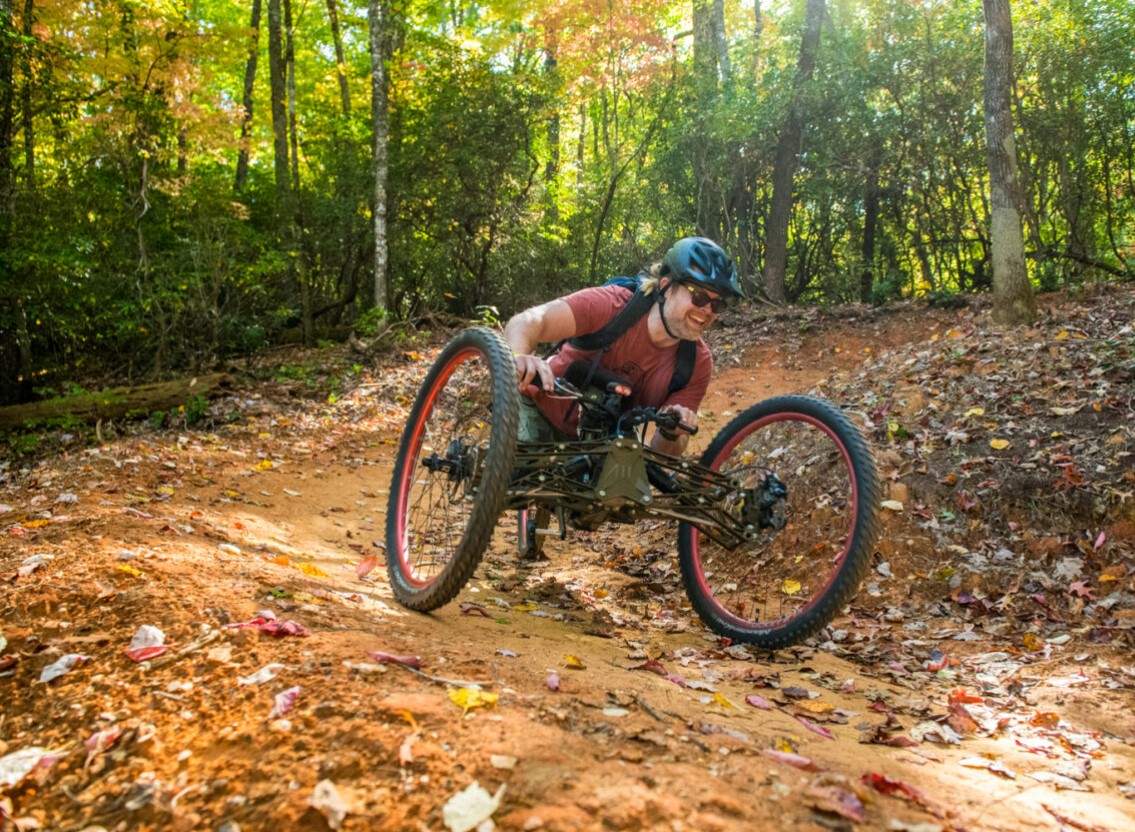
Photo: Eric Arce
For outdoor recreation infrastructure to reach its full potential, it should be designed in such a way to maximize accessibility for the disabled population, which has historically been under-prioritized in outdoor recreation development and lacked the same quality of access to outdoor recreation destinations.
Up to a quarter of adults in the United States have some type of disability (including physical, developmental, behavioral/emotional, and sensory impaired disorders) according to the Centers for Disease Control and Prevention, and planners should take into consideration the needs of these groups in designing accessible recreation infrastructure and abiding by ADA regulations.
Fortunately, there are many effective resources to help enable disabled access to outdoor recreation:
Understanding Disability
- Accessibility Toolkit for Land Managers,Willamette Partnership
- Designed to help land managers understand how people with disabilities engage with the outdoors and what they want out of those experiences, with recommendations and best practices for how to transform public lands in ways that are truly inclusive.
- Outdoor Accessibility: Charting Paths to Inclusion, KOA
- This report provides comprehensive data on the state of camping viewed through the lens of accessibility. Sample questions include reporting factors impacting accessibility, common barriers and areas of improvement, ease of tasks, etc.
- Disabled Hikers Blog,Disabled Hikers
- Showcasing a wide variety of disability advocates, groups, and resources from around the United States.
- Inclusive Health Bill of Rights, Partnership for Inclusive Health
- A set of ten principles to guide provision of recreation access to the community to ensure inclusion for all communities.
Infrastructure Design and Adaptive Equipment
- Trail Surface Types, Pros and Cons, Disabled Hikers
- A thorough breakdown of different trail surface types and their impact on accessible travel.
- Accessibility Toolkit for Land Managers, Willamette Partnership
- Designed to help land managers understand how people with disabilities engage with the outdoors and what they want out of those experiences, with recommendations and best practices for how to transform public lands in ways that are truly inclusive.
- "States Spend Millions to Make Parks, Trails More Accessible", Governing
- Many states, including Minnesota, Michigan and Wisconsin, are spending millions of federal, state and private dollars to update outdoor recreation infrastructure to make it more accessible for people with disabilities.
- ‘Get your blood flowing’: Maryland state parks’ only adaptive mountain biking trail opens up the outdoors, The Baltimore Sun
- Late 2023 coverage of Maryland State Parks' only adaptive mountain biking trail, and considerations in planning and design.
- Adaptive Cycle Resource List,Outdoors for All Foundation
- Organizations selling adaptive equipment for outdoor access.
- Tennessee State Parks Trail Accessibility Guidelines, Tennessee State Parks
- State-level application of accessibility guidelines at Tennessee State Parks.
Accessibility in Online/Virtual Content
- Guide to creating accessible online content for people with disabilities, Disabled Hikers
- Provides guidance on how to prepare online media for people who are Blind or low vision, Deaf or hard of hearing, autistic, or have a sensory disability.
- Guidelines for Providing Trail Information to People with Disabilities, Access Recreation
- This web-document provides guidelines and additional information that public agencies and other non-profit entities should follow to share information about the use of their trail systems and recreational facilities, and information that should be considered during the design of new trails and features.
Adaptive Recreation Programs
- List of Adaptive Recreation Programs, Outdoors for All Foundation
From an accessibility standpoint, translation of materials and education for non-English speakers is also important to ensure that all visitors to a community feel welcomed.

Basic infrastructure is a prerequisite for outdoor recreation economies to reach their growth potential. In many places peak visitation may exceed the year-round population by several multiples during weekends or holidays.
This pressure puts immense strain on a community's infrastructure, including broadband, emergency services, water and sewage, and roads, among other basic assets.
When considering the potential for future growth, community stakeholders should consider infrastructure improvements that can support high-quality experiences for both locals and visitors as well as bolster existing businesses and quality of life. Community shuttles should be added to this list, like those utilized in the Adirondacks, though marketing and fee structures should be considered in unison to ensure that shuttles are utilized effectively.
At the federal level, many programs exist to bolster infrastructure development. The link below contains a list of federal programs beneficial to infrastructure development, and is being updated frequently with new information.
At the state level, readers are encouraged to contact their state's public service commissions or public utility commissions to understand the portfolio of options available for community investment.
Rural Broadband
Broadband for internet connectivity was cited frequently as an inhibitor to rural development and entrepreneurial potential. As people continue to relocate closer to places that they enjoy for outdoor recreation opportunities, broadband improvements can support both existing businesses as well as "work-from-home" opportunities in general.
This blog post from the Center on Rural Innovation in January 2024 called "What is possible when high-speed broadband comes to town" outlines many of the co-benefits from increased access to broadband as well as background on the Broadband Equity Access and Deployment Program at BroadbandUSA.

We have a number of places where basic broadband issues limit their capacity for growth. With broadband, we have a number of places that could be top-tier destinations for workers from around the world.
In reference to Brad Garmon's quote above, Michigan created the High Speed Internet Office (MIHI) in 2022 to play a key coordinating role for new federal funds that will support new internet infrastructure and connectivity.