In this section:
- Outreach to all
- Trust-building
- Incorporating tribal perspectives
A planning approach must effectively incorporate the perspectives of all parts of a community to proactively mitigate unintended consequences like resource overuse, lack of consideration of historical narratives or inequities, dispersed long-time residents, and benefits to outsiders at the expense of the community itself.
When core partners are deliberate about inclusive planning and convening, outdoor recreation economies have the potential to connect communities to treasured outdoor spaces and one another, showcase their history and assets in an authentic way, create local wealth, and generate positive mental and physical health outcomes. For these reasons, interviewees emphasized the importance of deliberate efforts to include a wide diversity of community members in the planning and execution process.
Make a culturally conscious approach — don't impose cultural norms across communities.
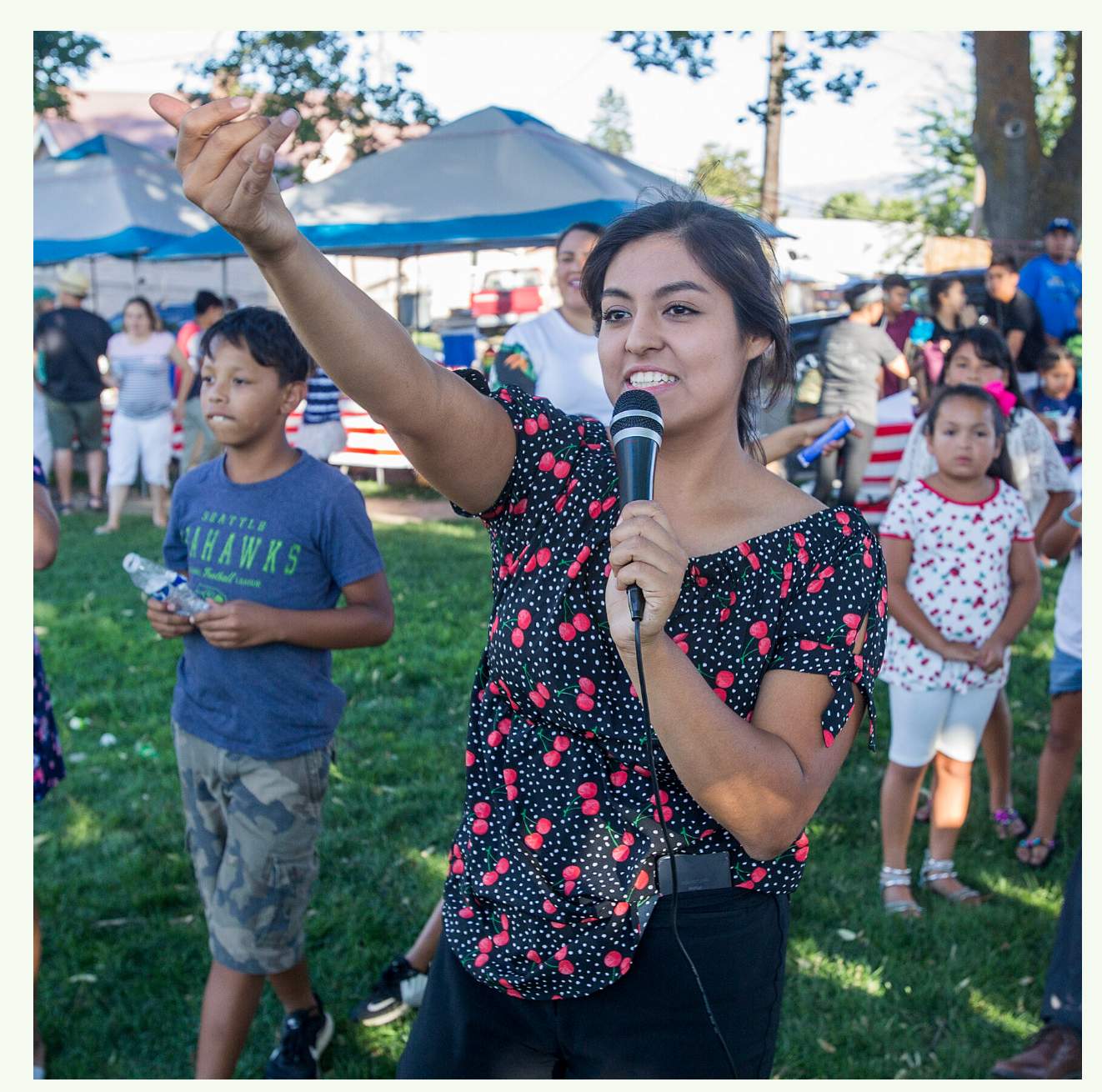
In certain cases, investing in key relationships with a few trusted community members led to the invitation of other key community members to the table. As an example of this, staff from the Trust for Public Land are known to spend months at a time attending community events like block parties and cultural celebrations to build relationships before embarking on projects. To reiterate, every rural community is different — in socioeconomic status, racial/ethnic background, political affiliation, tribal status, access to natural resources, human resources and financial capital, environmental threats, geography, and other demographics — and require distinctive approaches.
For these reasons one state Office of Outdoor Recreation director noted the importance of "knowing when to wear their Carhartt versus their Patagonia hat" in building support for outdoor recreation as an economic driver. The gist of this comment is that every community has its own unique values and norms, and doing one's research in advance to demonstrate that they understand the community's values can go a long way in building trust.
At the outset of her role, former New Mexico State Director of Outdoor Recreation Axie Navas did a field tour of the state, stopping in county gathering places to share her vision, take questions and comments from community members, and to build familiarity and trust.
We work best with partners when we are invited into a space, rather than working independently and assuming we know a community’s priorities.
Our work is informed by the questions, - How can this land and trail system serve the broader community--not just in access and health but also economically? - Who are the leaders now? - How are they working with the community to advance a broader vision while they are in office? - Do they have the resources to complete that mission?
Histories of Exclusion, Lack of Power
While some might assume that all communities have had equal access to outdoor recreation, a combination of historic discrimination and exclusion, cultural norms, and socioeconomic barriers have contributed to a demographic imbalance in outdoor recreation participation and the outdoor workforce. This imbalance is especially pronounced in regards to race/ethnicity and ability level, where White, able-bodied participants tend to predominate in outdoor recreation systems.
On top of this, the service jobs that help support economies like these are often occupied by lower-income and immigrant workers, who often lack meaningful access to decision-making opportunities and can be the first to bear any negative consequences from outdoor recreation.
ORR's Trail Map for Rural Development in America recommends including a historical assessment in outdoor recreation planning. Knowing the history of local industry, and the events or policies that shaped local attitudes toward the outdoors, helps planners respond to communities that have been underserved in or excluded from outdoor recreation, including Tribes, communities of color, and people with disabilities.
Lots of folks in leadership don't represent the communities they're hoping to serve— for instance, immigrant constituents often find that there are not representatives from their communities in positions of leadership to advocate for their needs.
As Briechle notes, it is important that community leadership (i.e. town councils and committees) are intentional in how open positions related to economic development are advertised and filled, as well as how topics for discussion relate to the full community.
When leadership can reduce barriers for entry for underrepresented community members, they increase the likelihood that decisions meet diverse community needs.
For the reasons above and more, the formation of stakeholder groups and future outreach to the community should be motivated by basic principles of Diversity, Equity and Inclusion (DEI) and consistently assess whether planning efforts reflect all interests in the community.
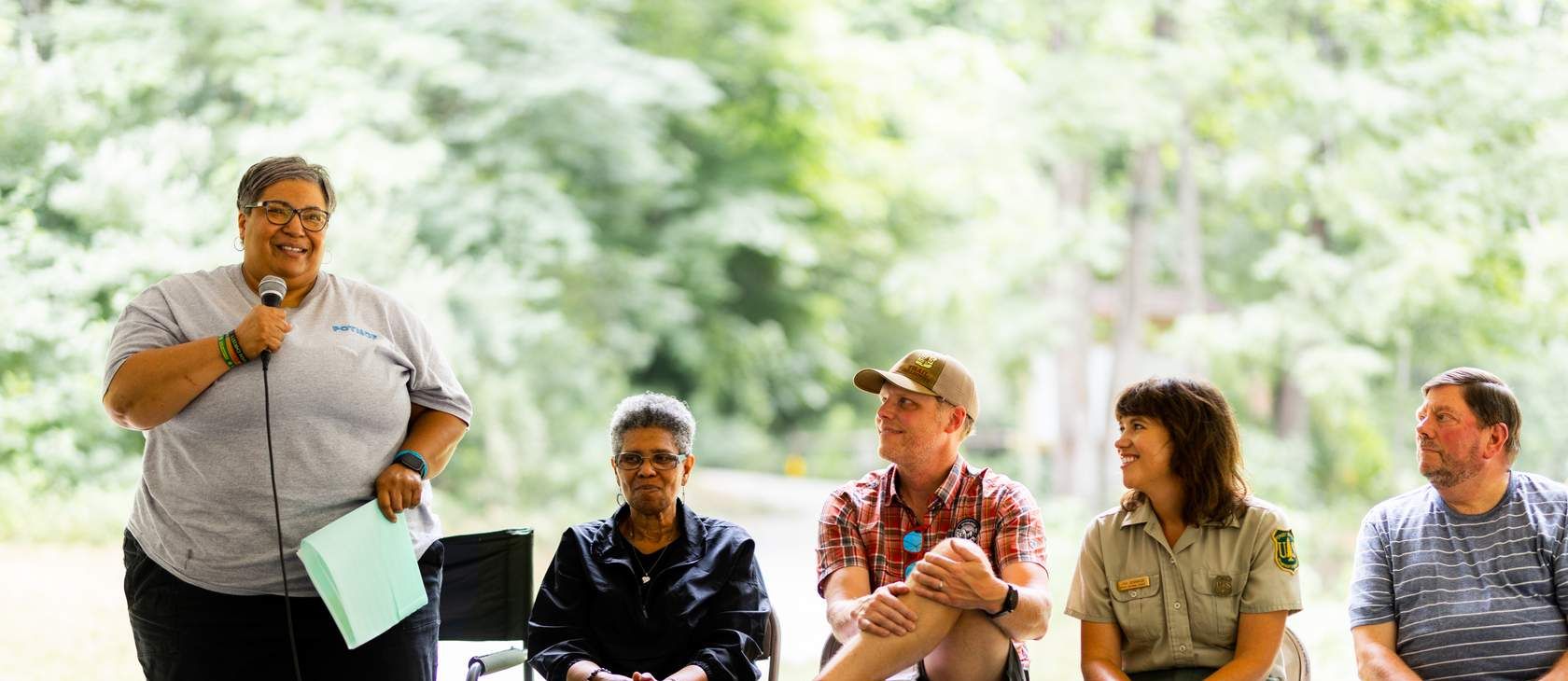
Darrell Cassell, Old Fort, NC
From the outset, the Catawba Vale Collaborative has endeavored to do rural economic development differently. The collaborative, whose work helps benefit Old Fort, North Carolina combines several groups:
- Eagle Market Street Development Corp (Primary focus: promoting economic equity through real estate investments and small business funding in Black communities across North Carolina)
- People on the Move for Old Fort (Primary focus: Rebuilding a sense of pride in community, reclaiming public spaces, and creating more visibility of Black leadership in Old Fort)
- Camp Grier and the U.S. Forest Service, also known as G5 Collective (Primary focus: Trail Development and Forest Management)
- University of North Carolina Chapel Hill and Texas Tech University (Catawba Vale Collaborative History and Archaeology).
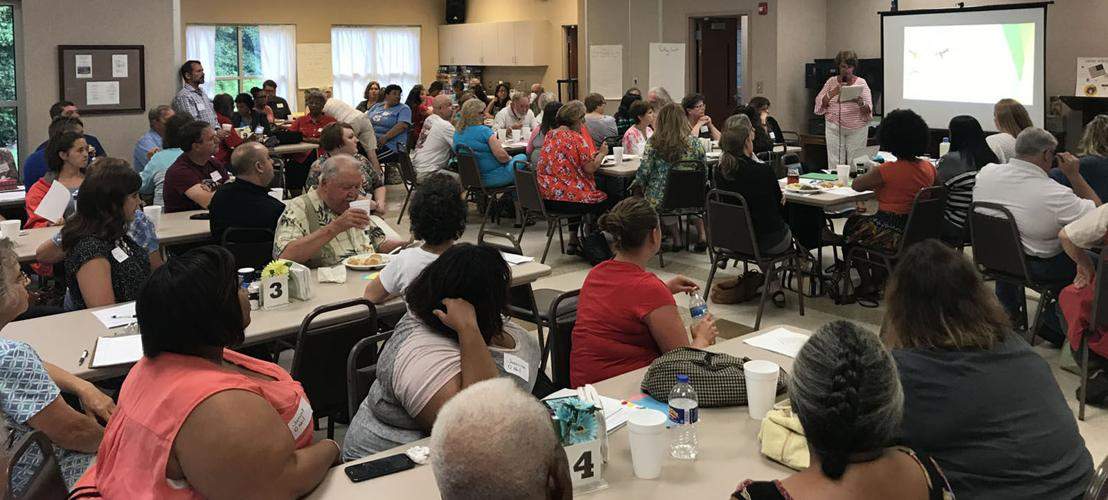
The story of the Collaborative begins with the Old Fort Community Forum, an existing community gathering space dedicated to advancing the quality of life of Old Fort's residents and overcoming racial barriers. During one of the Forum's monthly meetings, Jason McDougald, Executive Director of Camp Grier, and Lisa Jennings, Recreation and Trails Manager for the U.S. Forest Service proposed a vision for how nearby trail development could help revitalize Old Fort, formerly a thriving manufacturing hub that has struggled to maintain a resilient economy after labor moved overseas in the 80's.
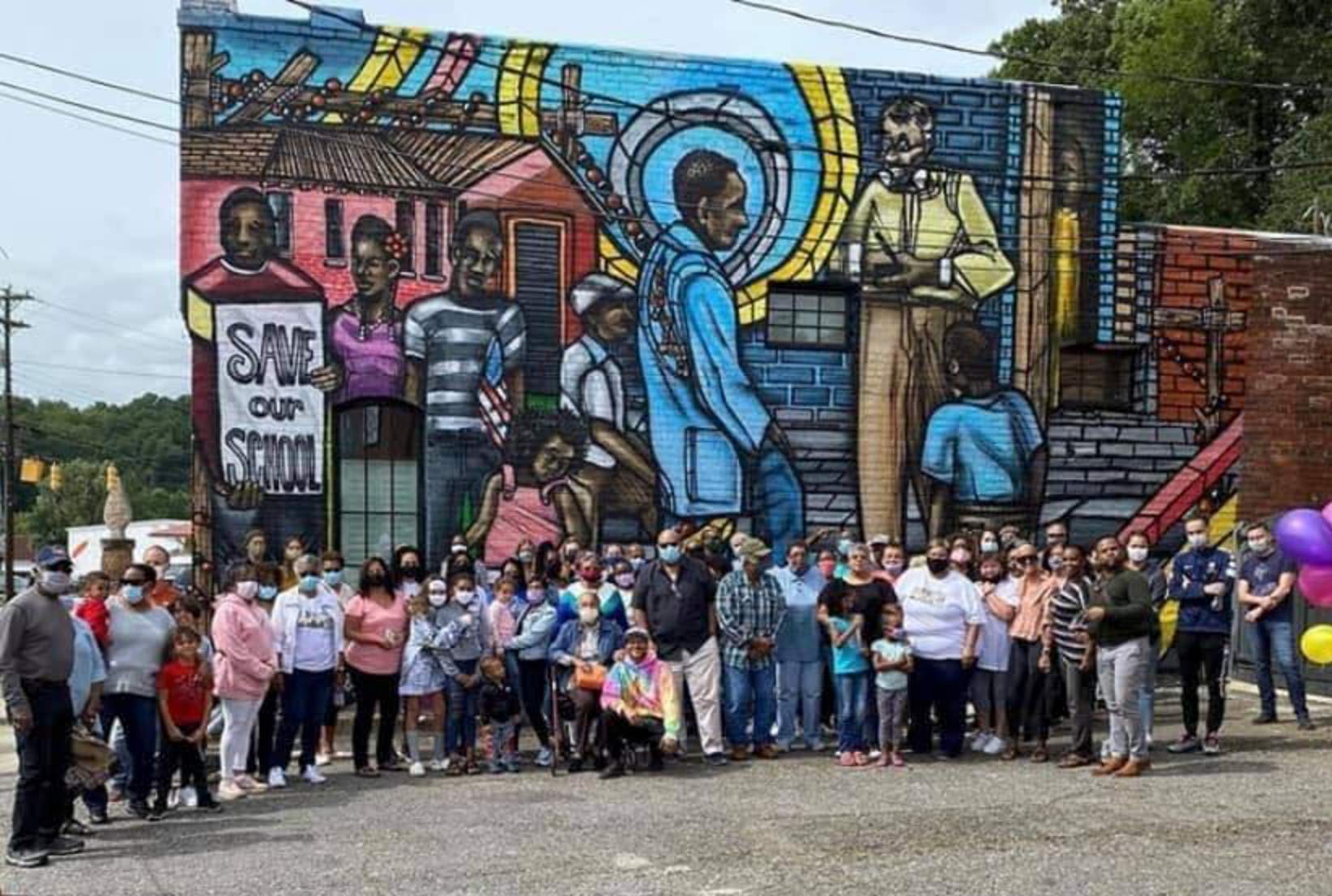
McDougald's pitch resonated with Lavita Logan, co-founder and coordinator of People on the Move for Old Fort, who helped shape the vision into a project to benefit the community to the core and uplift its history. At this point, Stephanie Swepson-Twitty, lifelong Old Fort resident and CEO of Eagle Market Street Development Corp, joined the group with a career of expertise in topics including fundraising, business support, affordable housing and small business incubation. As McDougald notes, "We had in common that we were all out of power. That brought us to the table and opened us up to collaborative possibilities."
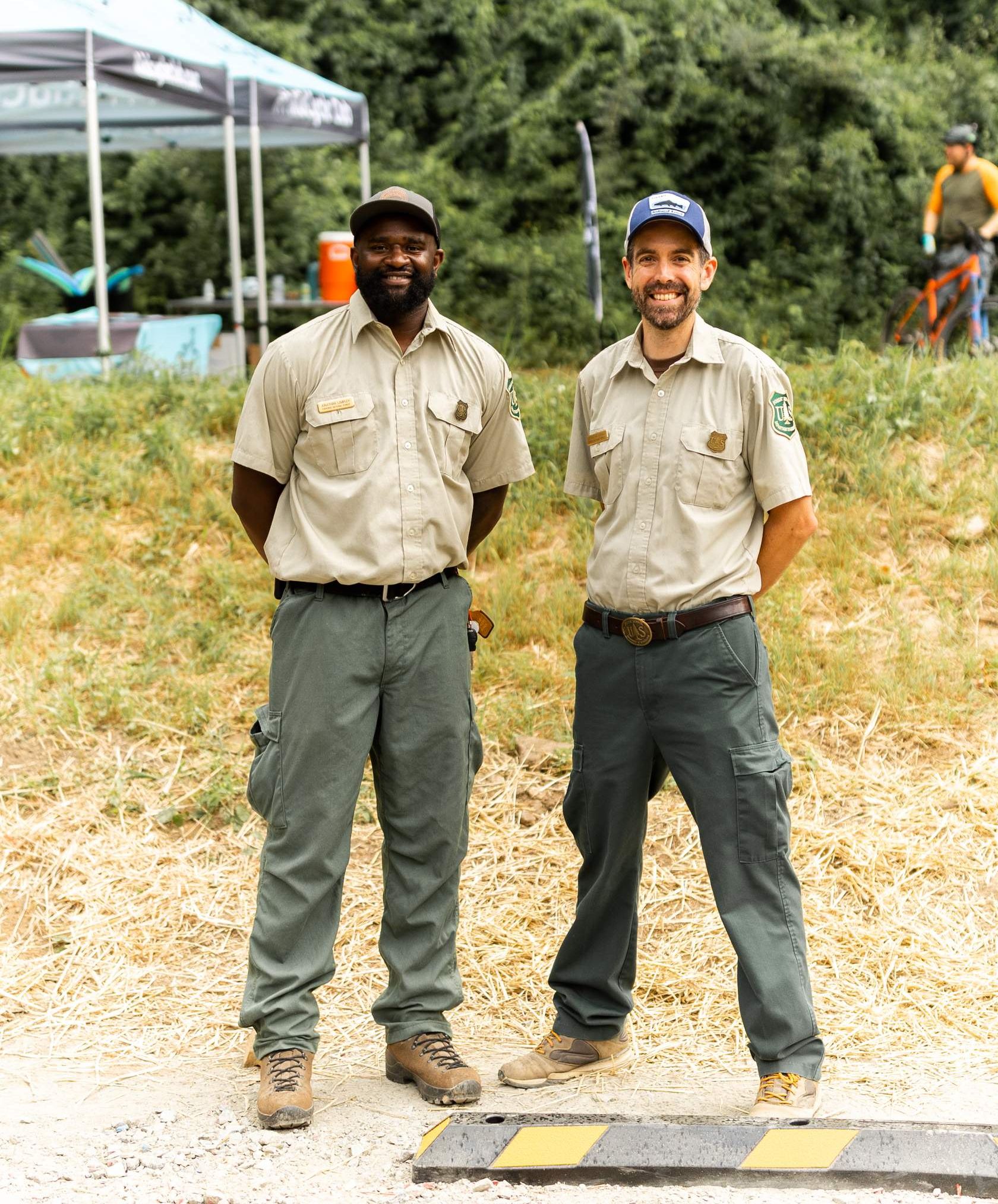
Swepson-Twitty saw the trail and economic development plan as an opportunity to bring multiple complementary goals together. Lavita and People on the Move for Old Fort were interested in shifting the narrative on who was a leader and who they resembled. Jason and Lisa were interested in advancing access to trails in the district as an economic development strategy. Texas Tech and North Carolina Chapel Hill are working to review historic records of the place and preserve its history. Other than a formal partnership agreement with the Forest Service, everything the Collaborative has done has been through shared understanding, rather than written in any bylaws, charter, or articles of incorporation. Participants in the collaborative attribute the group's ability to be successful to the existing structure of People on the Move for Old Fort, which already had built in relationships with the community and trust with core partners.

When Jason and Stephanie came to the table, they earned respect by being authentic and genuine as people first before looking to get to business. This was important to overcome historic mistrust of outside partners who had pitched economic development initiatives without truly understanding the needs of the community.
Old Fort's momentum continues to grow: in August 2023, the G5 Collective received $2.5 million from the state of North Carolina to build 25-30 miles of trails over the next two years.
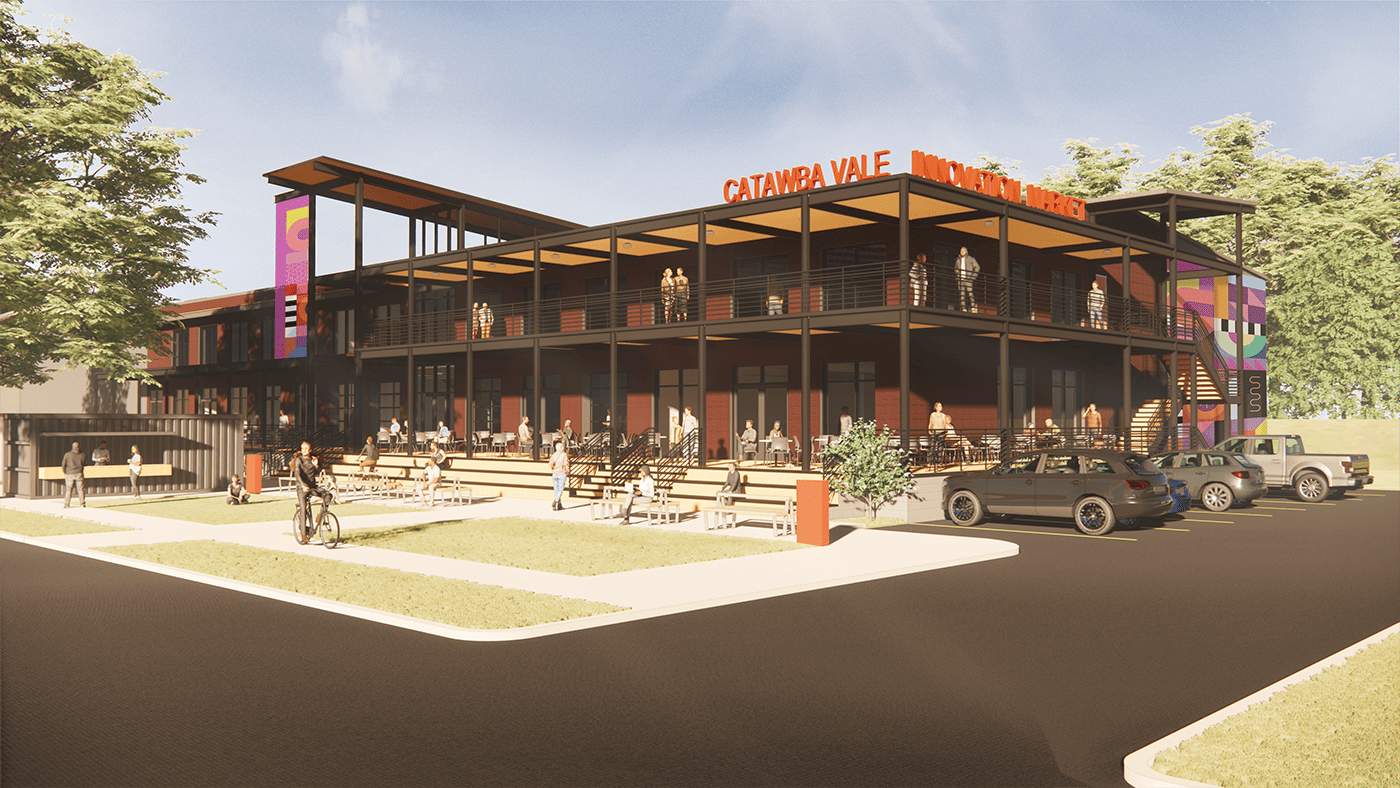
Additionally, plans are in motion to develop:
- A new Catawba Vale Innovation Market, mixed-use facility with film studio, indoor food and retail market, co-working space, small manufacturing facility, and support program for Black artists and businesses).
- A workforce housing project located in central Old Fort
- The Grier Village development at Camp Grier to house, train, and support workers in the local recreation economy.
Rebuilding Trails and Community After Hurricane Helene (onX, 2025, 6 minutes), filmed in Old Fort with the G5 Trail Collective. ORR helped bring together onX, Toyota North America, and Camp Grier to produce it.
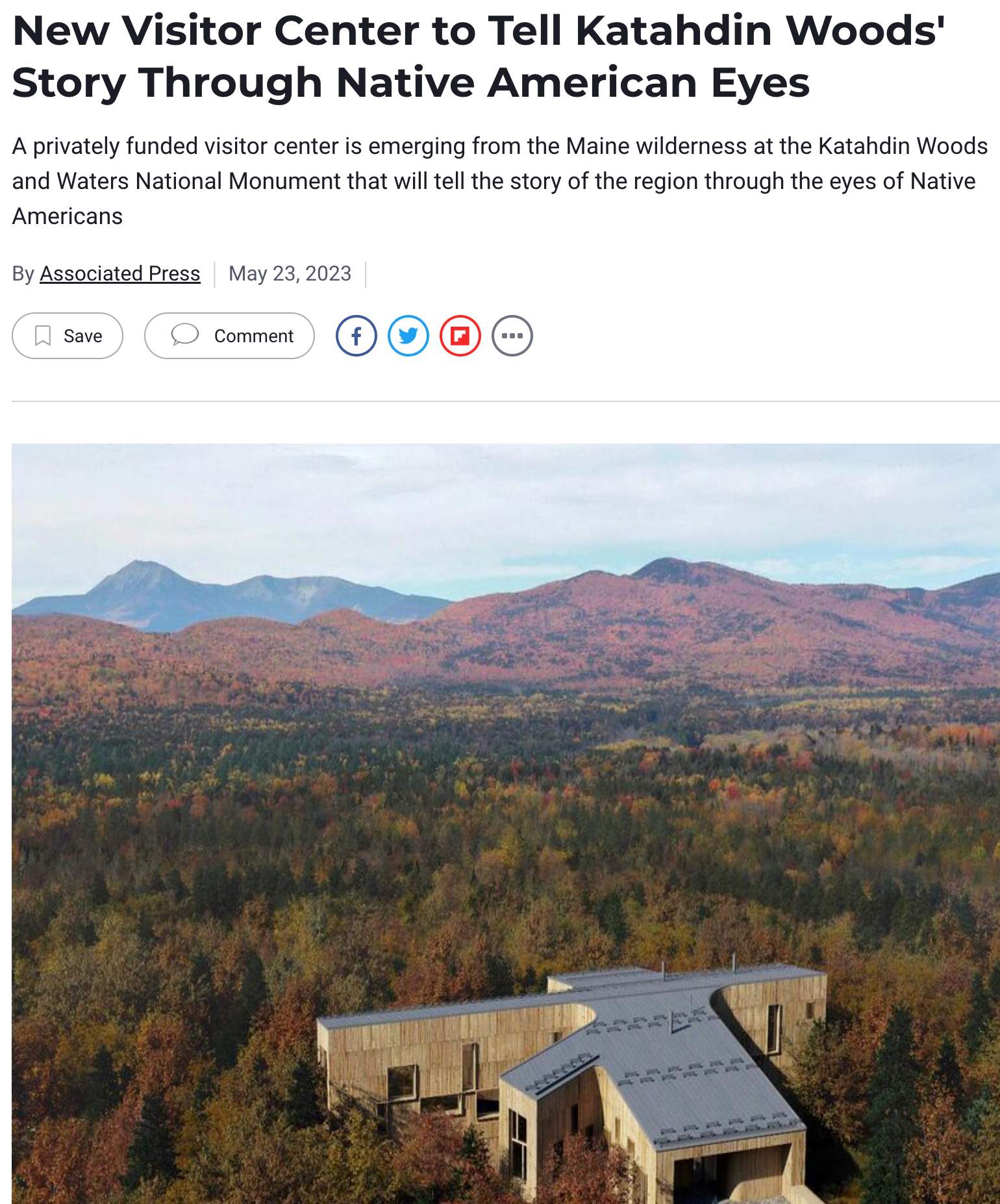
In many places, Indigenous communities connected to land and water since time immemorial have been pushed out of meaningful involvement in decision-making structures. In others, historic legacies of heirs property and allotment and fractionation have led to land loss for Black and Indigenous communities around the United States.
Tribes should be prioritized for inclusion in planning efforts, given the ignominious history of genocide and forcible relocation of Indigenous peoples from today's public lands and outdoor spaces. This point was underscored by Mary Monroe Brown, Former Director of the Wisconsin Office of Outdoor Recreation, who counts Native American Tourism of Wisconsin (NATOW) as an important partner in the state's work.
Recently, the Trust for Public Land announced a new effort to return 31,000 acres of ancestral lands to the Penobscot Nation south of the Katahdin Woods and Waters National Monument, reflective of a growing movement nationwide to return land or stewardship rights to historic Indigenous inhabitants.
In September 2026, the Penobscot Nation and the Trust for Public Land completed the first phase of that effort, returning 11,297 acres near Katahdin to the Nation.
Lucas St. Clair, who supported the creation of the Katahdin Woods and Waters National Monument, outlined a re-assessment in his community's own planning efforts around the new monument.
We decided to focus on re-establishing Indigenous culture and de-colonizing aspects of the existing culture and the way we tell the story of the park. We want Indigenous community to be at the center of the frame. To do so, we have established a tribal advisory board with four federally recognized tribes. Each chief identified a few members to participate on the advisory board. This helps us with informed design, experience, and an Indigenous lens.