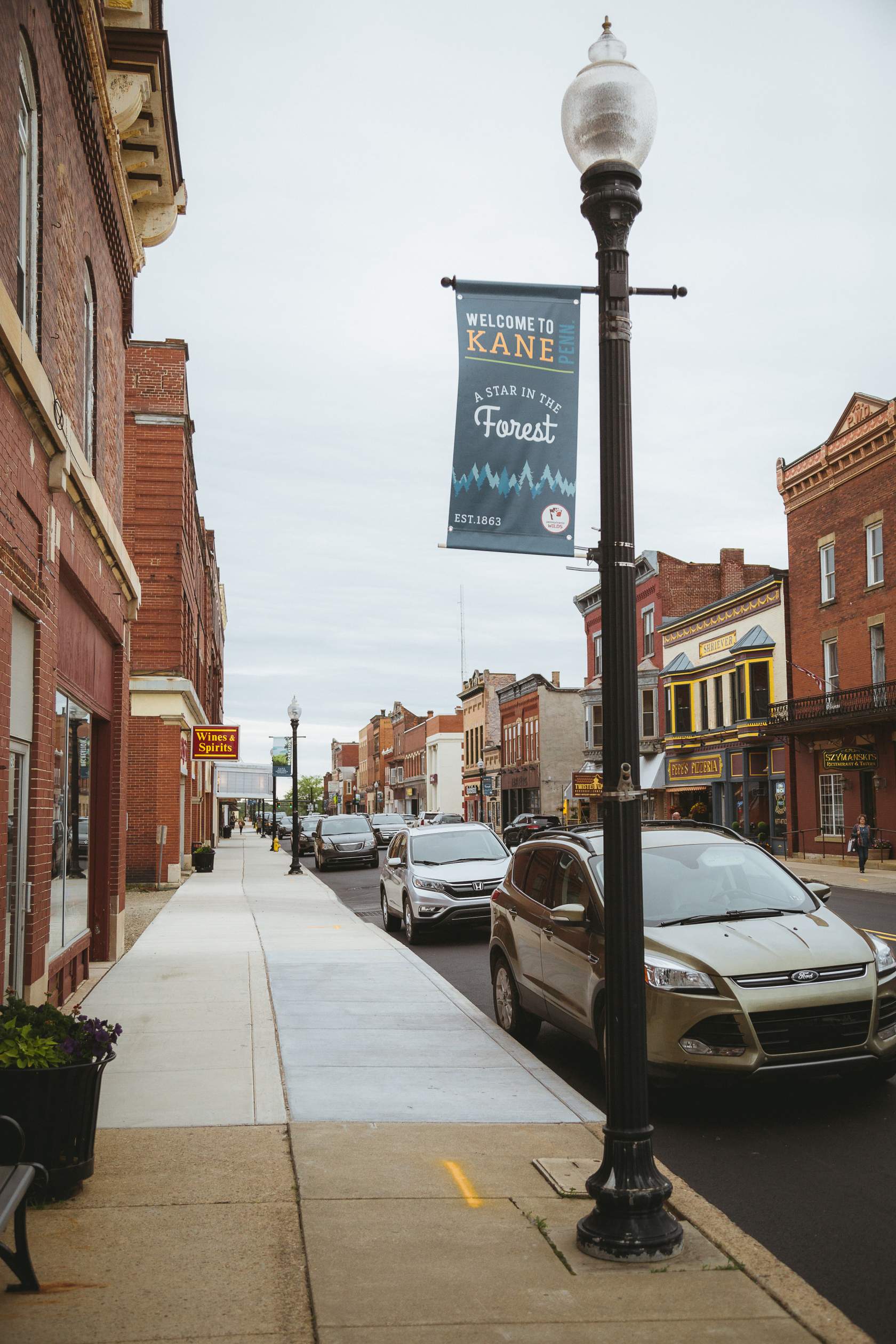
A multitude of intersecting cultural and economic forces threaten the long-term sustainability of rural communities in the United States.
The 2008 recession contributed to the loss of 17,500 businesses in counties with fewer than 100,000 people, according to a New York Times article citing Economic Innovation Group. Industries like coal, oil shale, uranium, vanadium, and ranching and agriculture experienced boom/bust cycles, leaving highly dependent communities in limbo. In particular, the coal industry, a traditional buoy to states like Wyoming, West Virginia, Kentucky, Illinois, and Pennsylvania, is in steep decline. According to a Rural Innovation Group report using Bureau of Economic Analysis data, agriculture, manufacturing, and mining jobs now account for less than 25% of rural employment, as industrial needs shift and American firms pursue offshore or robotic options, and innovative companies agglomerate in urbanized areas to attract highly skilled workers.
For rural communities to not just survive, but to thrive, any meaningful community development strategy must focus on uplifting its own people, with their well-being at the core.
On top of this, there are demographic imbalances: according to recent American Community Surveys from the Bureau of Labor Statistics (cited again in the Rural Innovation Group report) while overall employment in rural areas has increased by 7% in the last 10 years, employment in rural Black and Native American or Alaska Native communities has lagged behind at 3.4% and 3.3% over the same time period.
These challenges demand comprehensive, place-based strategies that diversify local and regional economies and increase resilience to current and future threats.
In our rural communities the long-time residents are focused on bringing back the young people who have left for jobs in our state's urban corridor or out of state.
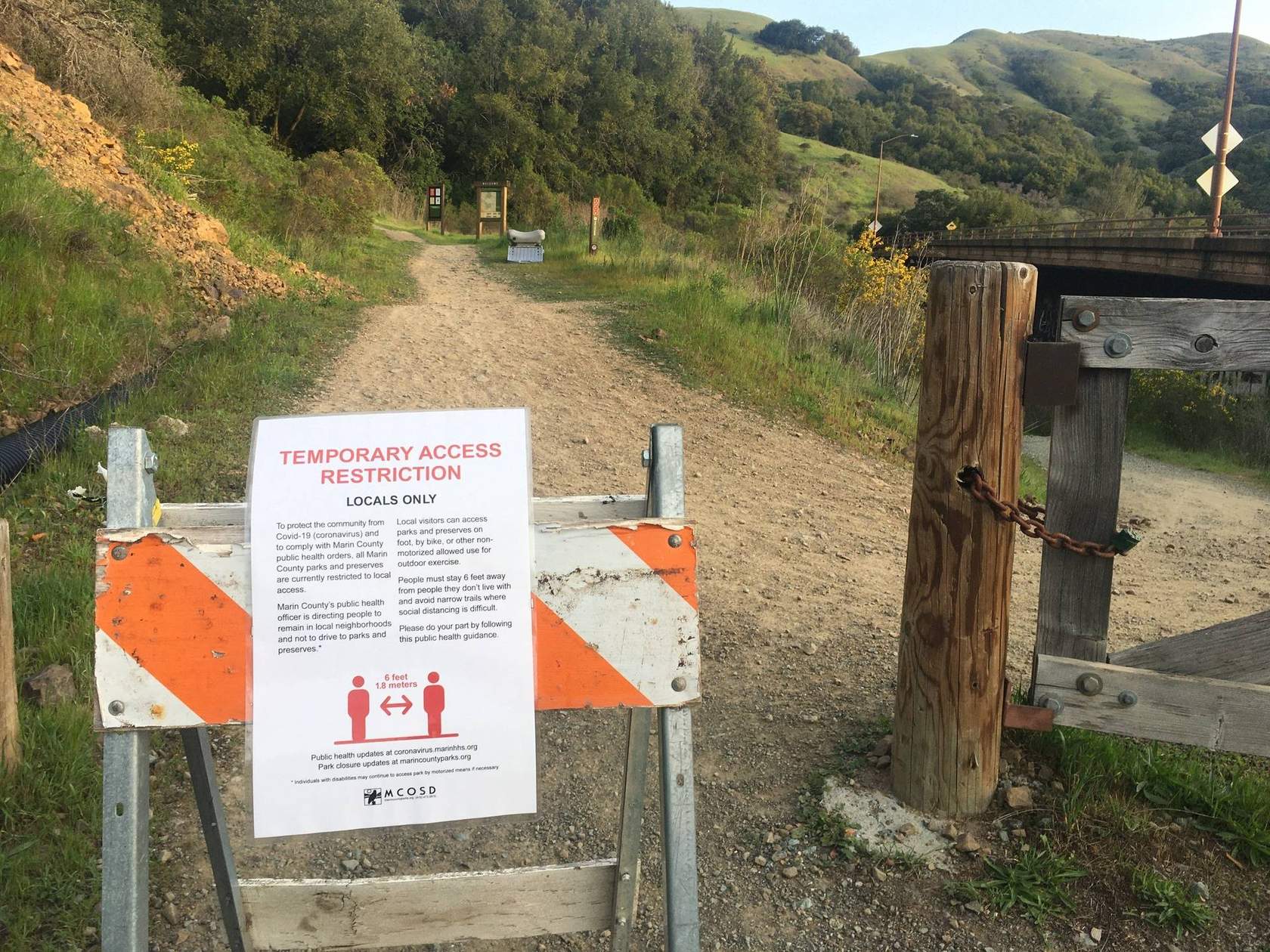
All these impacts existed before Spring 2020, when the COVID-19 pandemic and associated mitigation measures of social distancing and economic shutdown added increased economic and social pressures on disadvantaged rural communities. In the early days of the pandemic, treasured national and state outdoor recreation sites closed to the public and some rural communities told visitors to stay away to preserve local healthcare.
Once the science around COVID spread was better understood, everything changed. Outdoor activity became one of the few reliably safer ways to prevent viral transmission, leading individuals to shift their day-to-day activities outdoors, from dining and recreation to socializing with loved ones.
With international travel severely curtailed or closed, Americans turned to domestic travel to satisfy their needs, visiting national and state parks, forests, and other public lands and waters around the country and buying new recreational equipment from vehicles to gear and apparel to spend their free time.
In the economy at large, employers shifted to remote or hybrid work to keep their employees safe, propelling a major reshuffling as Americans with flexible careers moved to destinations that provided a high quality of life. People can now live and work where they like to play and place new value not just on their leisure time but on work/life balance. These factors represented a fundamental shift in the role of outdoor recreation in American society.
In fact, from 2021-2022, the outdoor recreation economy grew 2.5 times faster than the U.S. economy as a whole.

It cannot be overstated that outdoor recreation opportunities are a clear driver behind the desire to move to or stay in our rural communities. This was further amplified as part of a national trend during the pandemic and a large shift to more remote work.
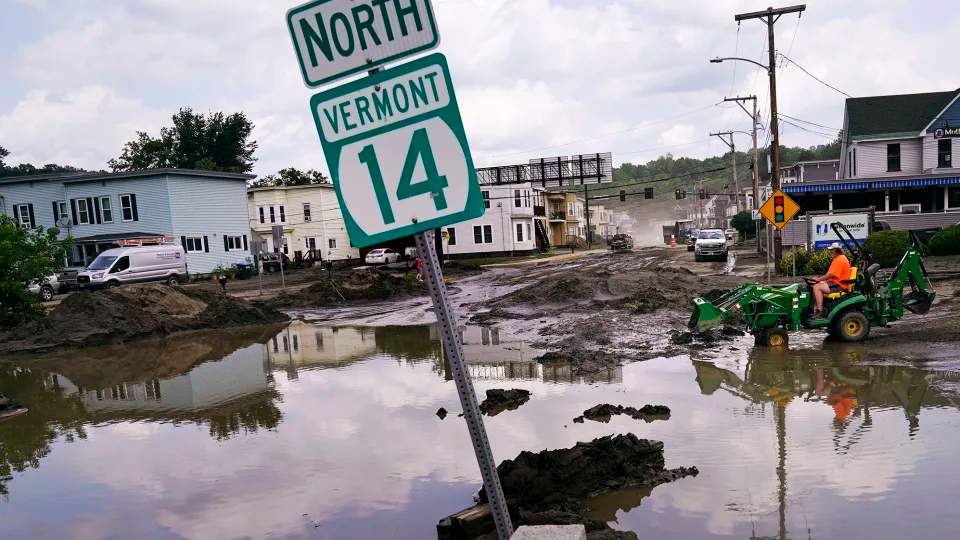
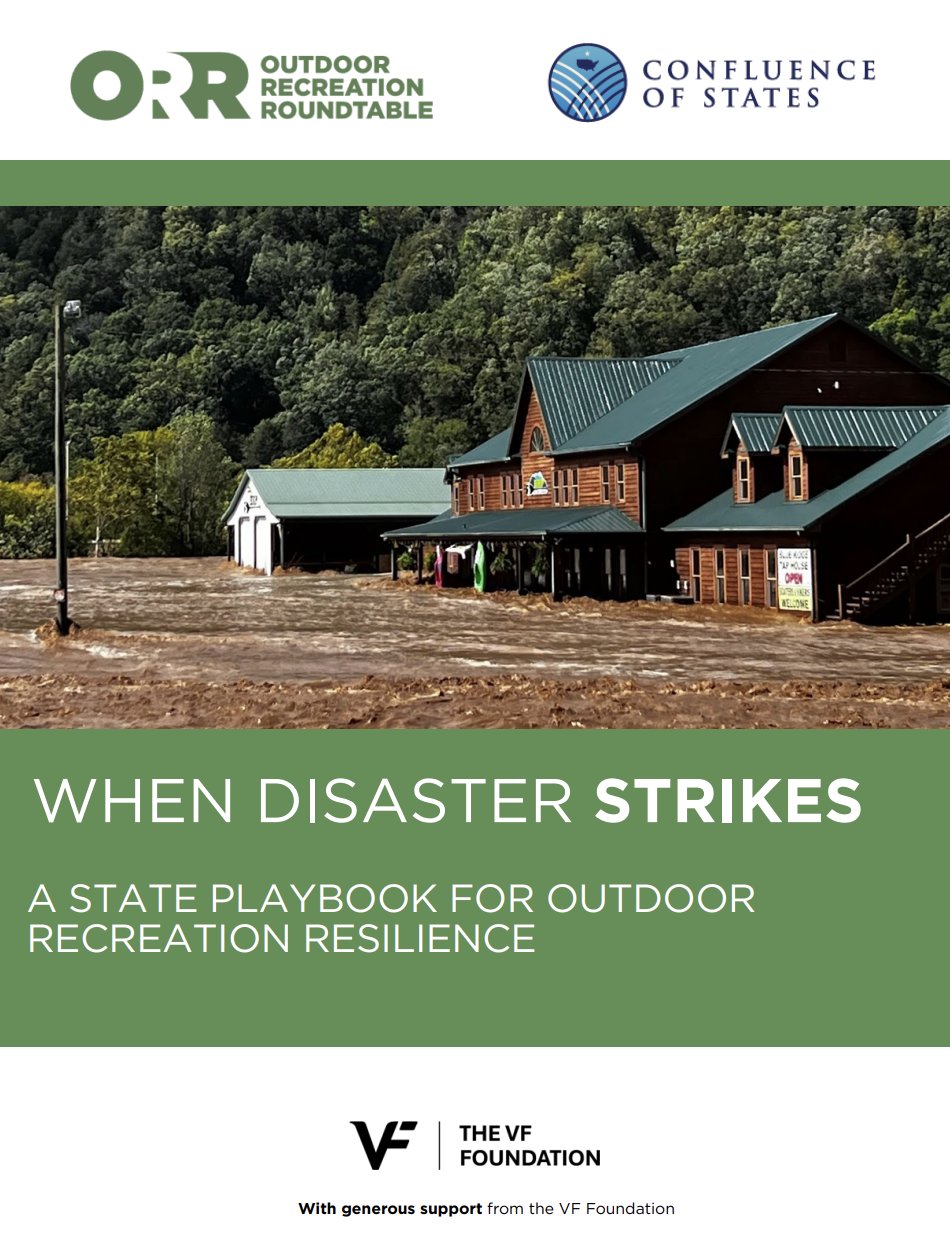
In recent years, climate change-related weather events have also added strains to rural communities providing recreation opportunities, including wildfires in California in 2021 and Hawaii in 2023 and devastating flooding in Yellowstone in June 2022 and Vermont in 2023 that shut communities down for weeks and months on end. Communities are responding by building climate resilience and emergency management into their DNA, like creating new maps to build homes away from risks and increasing water storage and energy resilience, while other communities are positioning themselves as destinations for migrants from regions of the country more susceptible to wildfire, drought, and flooding.
On top of this, the rise of remote work and increased flexibility has strained an already challenging housing environment in rural America. Concerns about rural gentrification have increased as higher-income and wealth groups have pushed out groups who tend to provide the backbone of the local workforce. The nationwide housing shortage is more acute in certain communities offering a high quality of life. Stories of multi-hour daily commutes are not uncommon as residents are forced to move to outlying communities where housing is more affordable. Additionally, more visitors to these places mean more impacts to treasured outdoor places and the wildlife and habitat within them. A recent report from Headwaters Economics describes strategies to avoid this collection of impacts, termed the "Amenity Trap."
Changing Federal Land-Management Capacity
Federal land-management agencies, which manage many of the forests, grasslands, and trails that rural recreation economies depend on, have also seen their staffing decline. According to the USDA Office of Inspector General , the U.S. Forest Service lost approximately 5,860 employees — about 16 percent of its workforce — in the first half of 2025. For rural communities, this makes the state, philanthropic, and local strategies throughout this toolkit all the more important alongside federal programs.
Cultural Heritage
With all these opportunities and challenges in mind, the necessity for economic diversification in rural communities can sometimes exist in opposition to cultural heritage, traditions, and resistance to major change. As one interviewee put it, "there's a lot of pride in communities and they want to see them change as little as possible—yet they want resiliency in the face of economic crises.”
Additionally, one community's challenges are quite distinct from another, as a result of their socioeconomic status, racial/ethnic background, political affiliation, tribal status, access to natural resources, human resources and financial capital, environmental threats, geography, and other demographics.
For these reasons, there is no single approach to building economic resilience that will work for every community— the decisions a community makes must be informed by their specific context.
The EXPLORE Act: A New Federal Foundation for Outdoor Recreation
On January 5, 2025, President Biden signed the Expanding Public Lands Outdoor Recreation Experiences (EXPLORE) Act into law after it passed both the U.S. House and Senate unanimously — a first-of-its-kind, comprehensive legislative package combining several bipartisan bills, including the SOAR Act, the Outdoor Recreation Act, and the Recreation Not Red Tape Act.
The law is designed to meet the growing demand for outdoor access while protecting public lands and waters. Its provisions expand parking at highly-visited destinations, allow agencies to sell passes and collect fees online, modernize film and photo permitting, update recreation infrastructure, improve resources for hunters and anglers, support youth and veterans' access, and break down the government silos that have historically slowed coordination across land management agencies.
In June 2026, the first interagency recreation visitation report required by the EXPLORE Act counted about 947.5 million recreation visits to lands and waters managed by six federal agencies in fiscal year 2024.
For rural communities, the EXPLORE Act's streamlined permitting and modernized infrastructure investment open new pathways to attract outdoor recreation businesses, simplify partnerships with federal land managers, and expand the kind of public access that underpins a local outdoor recreation economy.

In this new era, rural communities’ approach to economic development is fundamentally different than it was before. According to the Brookings Institute in a recent report,
“…traditional economic development tools may be ineffective compared to investments in quality of life and place.
Our research on smaller communities has found that community amenities such as recreation opportunities, cultural activities, and excellent services (e.g., good schools, transportation options) are likely bigger contributors to healthy local economies than traditional 'business-friendly' measures.”
For reasons like these and more, retirees are increasingly flocking to outdoor destinations with recreation assets. In a groundbreaking move, the U.S. Economic Development Administration announced outdoor recreation as an investment priority for the first time in its American Rescue Plan funding, funneling hundreds of millions of dollars toward catalytic projects in regions around the country. The communities that harness these opportunities will set themselves up for economic resilience in the decades to come.