In this section:
- Supporting collaboratives to convene
- Comparing approaches between collaboratives
- Relationship-building advice
Collaboratives must ensure continued buy-in and dependability from the stakeholders they bring together in the visioning, planning and implementation process. In this regard, having a "backbone" organization to take the lead can be greatly valuable.
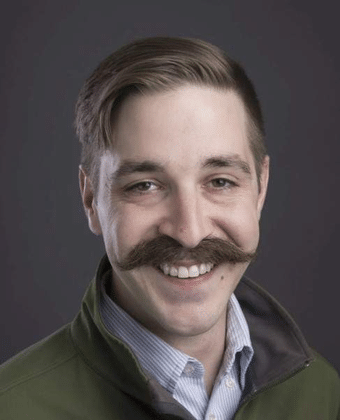
It’s important to meet people where they are and to be authentically present in their communities. Whether working to improve an existing piece of infrastructure or dreaming up a brand new project, we have found it incredibly helpful to convene the partners in person which builds trust and often gets us to yes.
Ultimately this comes down to answering two questions for stakeholders:
- Are convenings a valuable use of my time?
- Are my perspectives being considered and incorporated?
For these reasons, it is important to provide several months for collaboratives to define a collective vision and it may also be wise to hire a professional facilitator to ensure efficient use of meeting times and that all stakeholders have the opportunity to provide input.
Ultimately, participants are going to stay at the table if they trust the process, its leaders, and see themselves and their interests reflected in the plan from the get go. Careful early facilitation that incorporates a wide diversity of perspectives in the vision will both incentivize stakeholders to stay at the table and limit potential conflicts down the line.
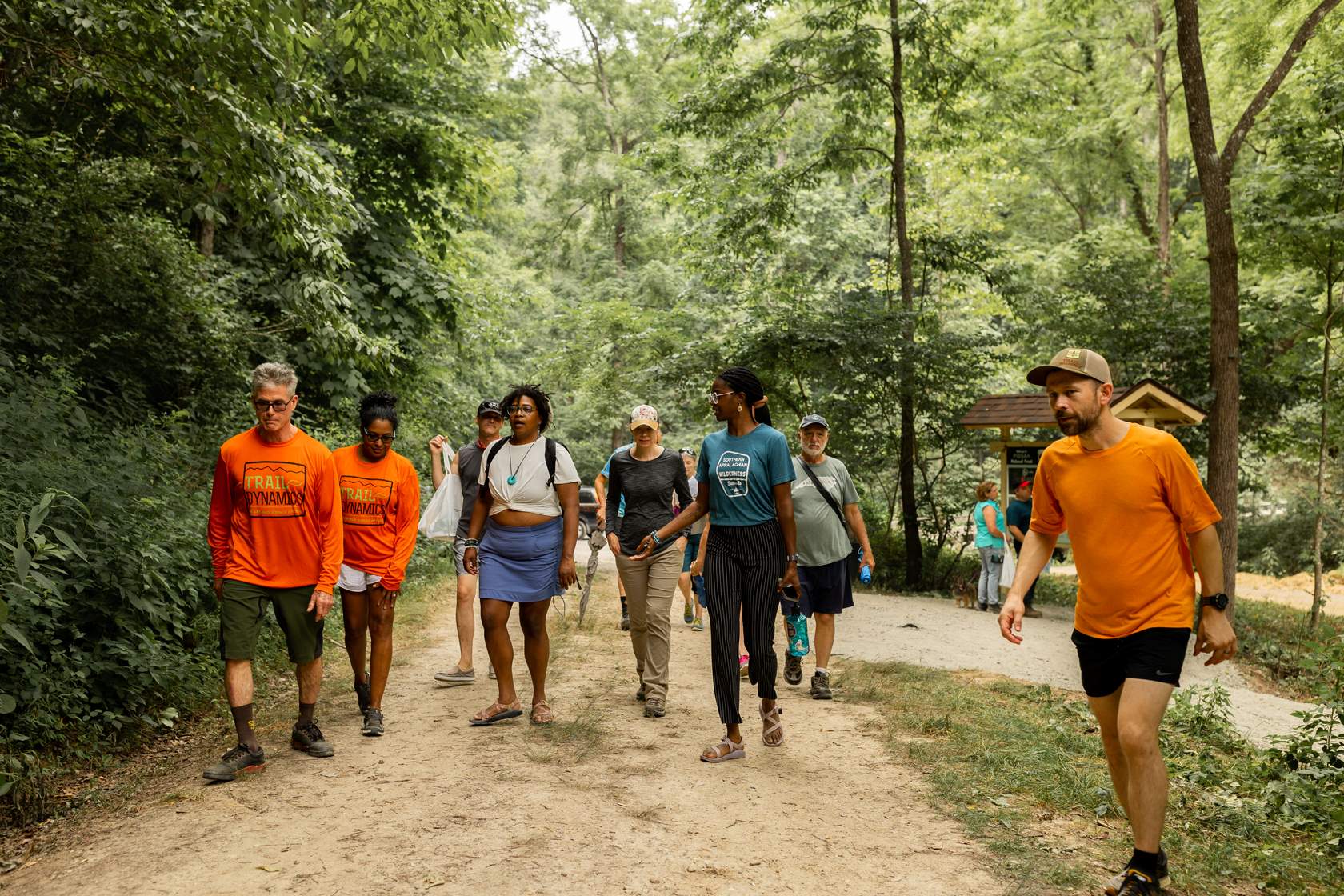
Participants noted the value of a local non-profit (aka "backbone organization") to provide consistent facilitation and convening for the partnership. By convening around the same table — whether in person or virtually — in a regular monthly manner, partnerships and collaboratives can more effectively bring together local, state, and federal agencies alongside community leaders and funding partners to engage with potential funding opportunities.
While in-person convenings are highly preferable for building trust among participants, virtual surveys (as in Warren County, NY's Outdoor Recreation Economy Strategic Plan) can help enable increased participation.
ORR's Trail Map for Rural Development in America calls for investment in rural development hubs and backbone organizations. Regional intermediaries of this kind convene diverse stakeholders, carry lessons from one region to another, and connect national efforts to local ones, often with few resources.
"If you are a local champion, don’t reinvent the wheel! Existing 501c3’s, land managers, and municipalities typically offer a current administrative structure to help entities pursue grant opportunities, and for long term outreach and community engagement."
- Denise Beronio, Administrator, Nevada Division of Outdoor Recreation

The county basically acts now as a backbone organization for recreation and resilience by bringing our partners together, by aligning funding and policy, and ensuring that recreation investments support economic growth, protect the natural resources, and enhance public safety.
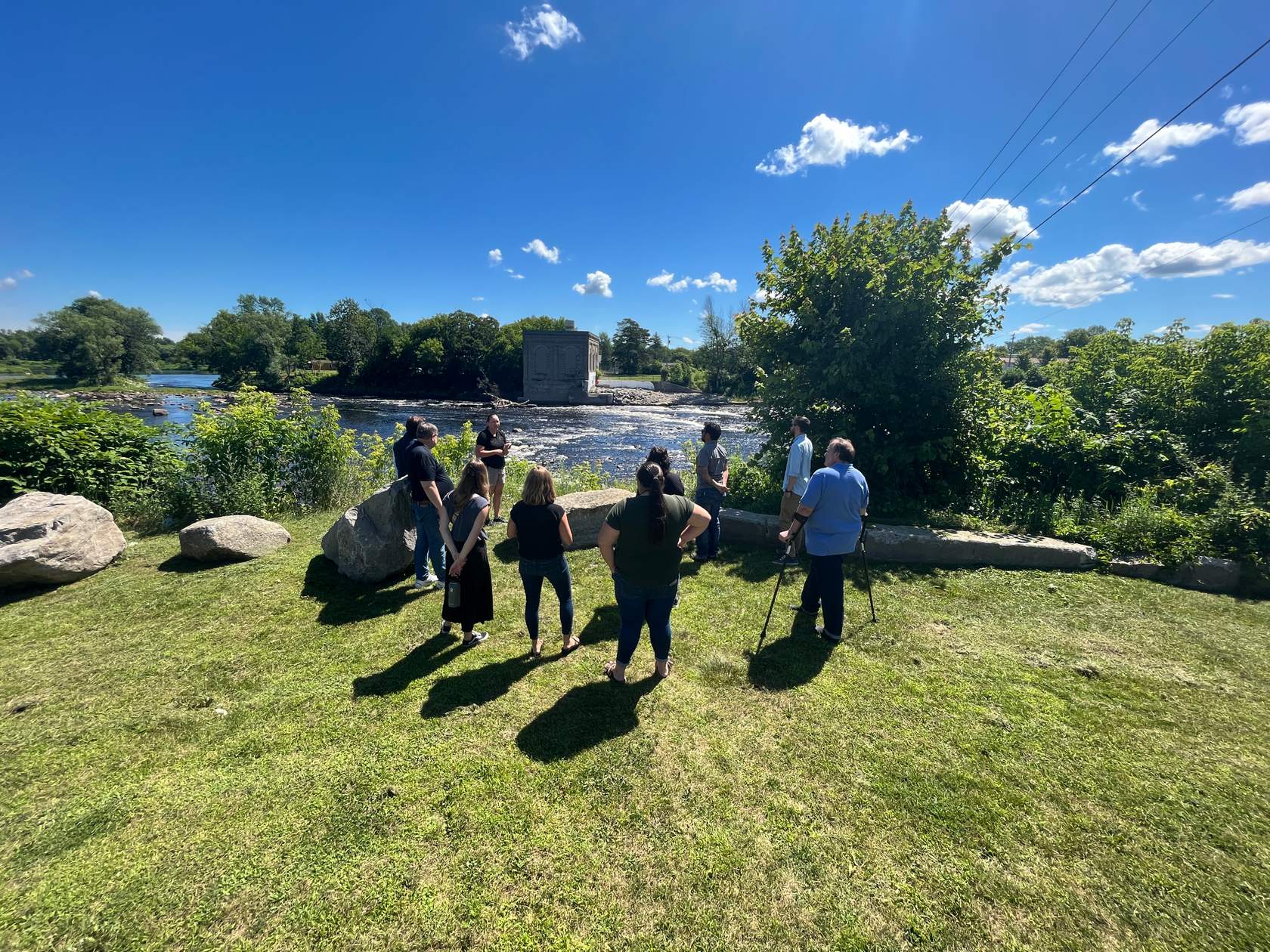
The location of meetings also makes a difference—could the choice of a venue (e.g. a local land trust or church) strategically be deployed to make collaborative participants welcome, or unintentionally make them feel unwelcome because of historic relationships? Conveners should consider the unique dynamics of their collaboratives in making choices like these to ensure maximum participation and sustained momentum over time.
Considerations such as providing food/beverage and childcare at meetings, and if possible, compensation to participants can be the difference between them coming to the table and skipping meetings.
One Point of Contact
Participants also noted that effective collaboratives designated a primary point of contact with external partners and agencies (especially those with limited bandwidth) to field interest and conversations — this helps simplify communications and ensures that accurate information is being shared with the right partners at the right time.
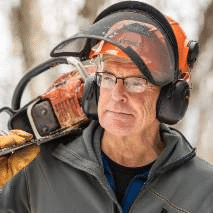
In our experience cutting glades for backcountry skiing, it was favorable for the Forest Service to have a point of contact, not scattered contacts. They trusted the Granite Backcountry Alliance (and our leadership) to cut within bounds and to have social influence within the community.
Mechanisms for Buy-In
When collaboratives are formed, they are faced with a choice — what is the best mechanism to ensure continued partnership and buy-in from interested partners?
Intergovernmental Cooperative Agreement
The Eastern Sierra Sustainable Recreation Partnership (ESSRP), a public/public partnership between the U.S. Forest Service and local governments, utilized an intergovernmental cooperative agreement.
This started with the Eastern Sierra Recreation Collaborative (ESRC), which was formed to inform the Inyo National Forest’s new Management plan, one of the first in the nation to be crafted using the 2012 Planning Rule. This collaborative was initially funded through a local nonprofit and later through a National Forest Foundation grant.
Through region-wide public meetings, the ESRC identified shared values, principles, and guidelines to share with Inyo National Forest leadership, many of which were later incorporated into the adopted management plan.
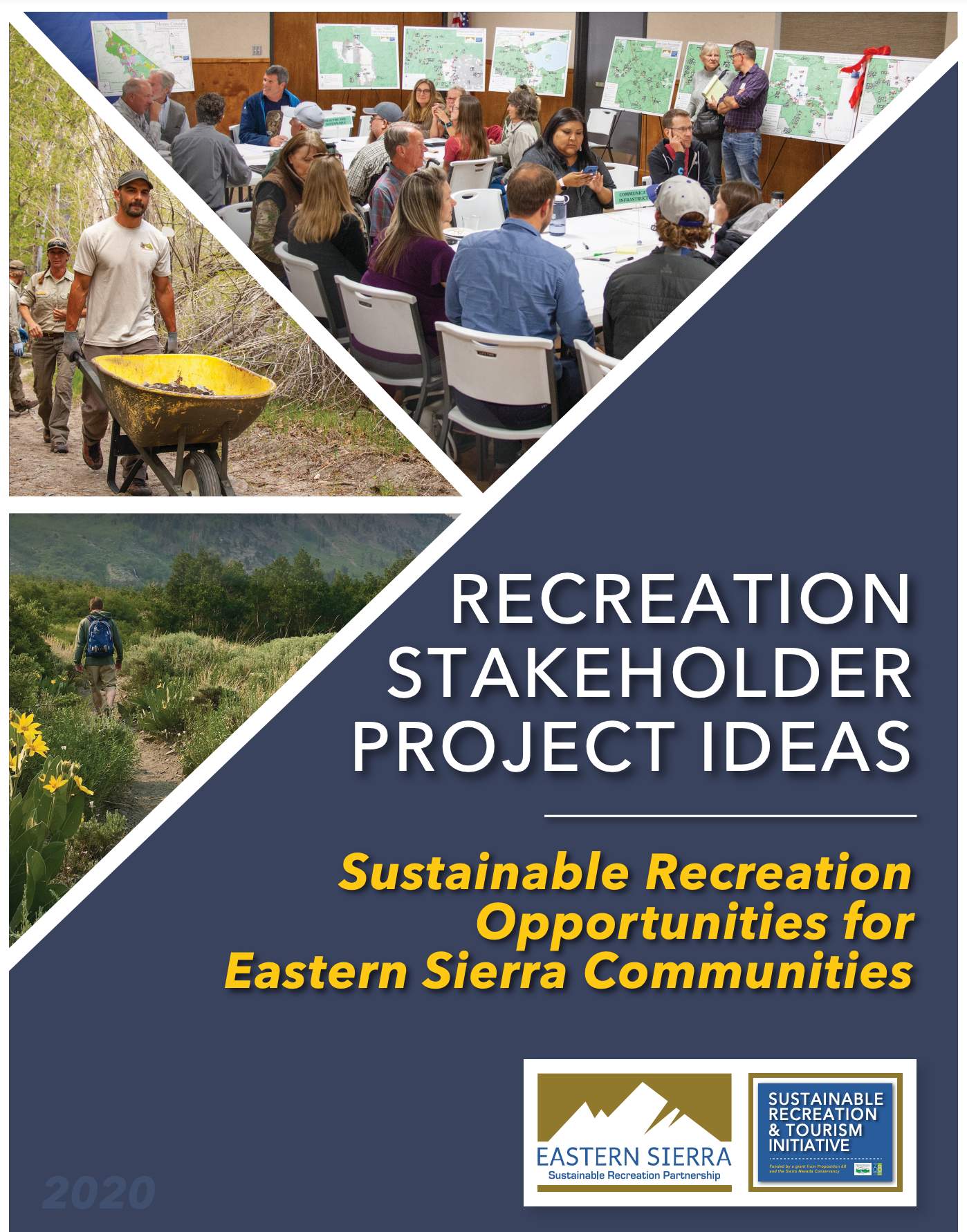
The PA Wilds Planning Team is also formed via an intergovernmental cooperative agreement, the largest geographically of its kind in PA.
This binds the 12 counties of the region together around the Wilds work and creates a way for other local stakeholder organizations to have a voice in the Initiative. The Planning Team meets monthly to share information, to discuss potential impacts of the Initiative and to undertake activities collectively to assist communities in capitalizing on the Initiative’s economic potential without spoiling the region’s rural character and charm.
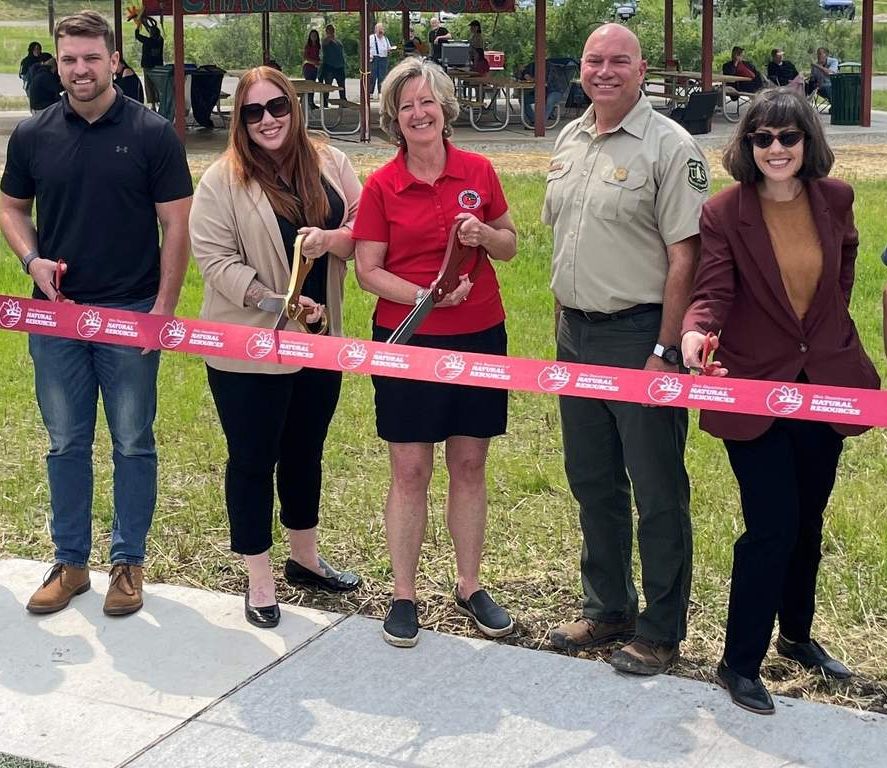
The Outdoor Recreation Council of Appalachia (ORCA) also exemplifies an intergovernmental cooperative agreement through a council of governments around the Wayne National Forest and world-class Bailey's Trail System. Their priorities include catalyzing economic diversification, trailbuilding, transforming rural spaces, and development and planning. Athens County is a persistent poverty county that historically relied on coal and timber.
In 2018, locals from businesses to foundations, universities, and public health partners came together with the Forest Service around the vision to develop 80 miles of multi-use trails across the Wayne National Forest. Through the work of ORCA, the Bailey's Trail System project's projected 10 year impacts are:
- $40 million in increased spending
- 78 new jobs
- 150 jobs retained
- $10 million in new wages
In 2022 the State of Ohio and Governor Mike DeWine announced another $2 million from the state legislature to finish buildout of trails in northern Athens County while OhioHealth announced a $100,000 grant to support ORCA's work.
Formalized Regional Collaboratives
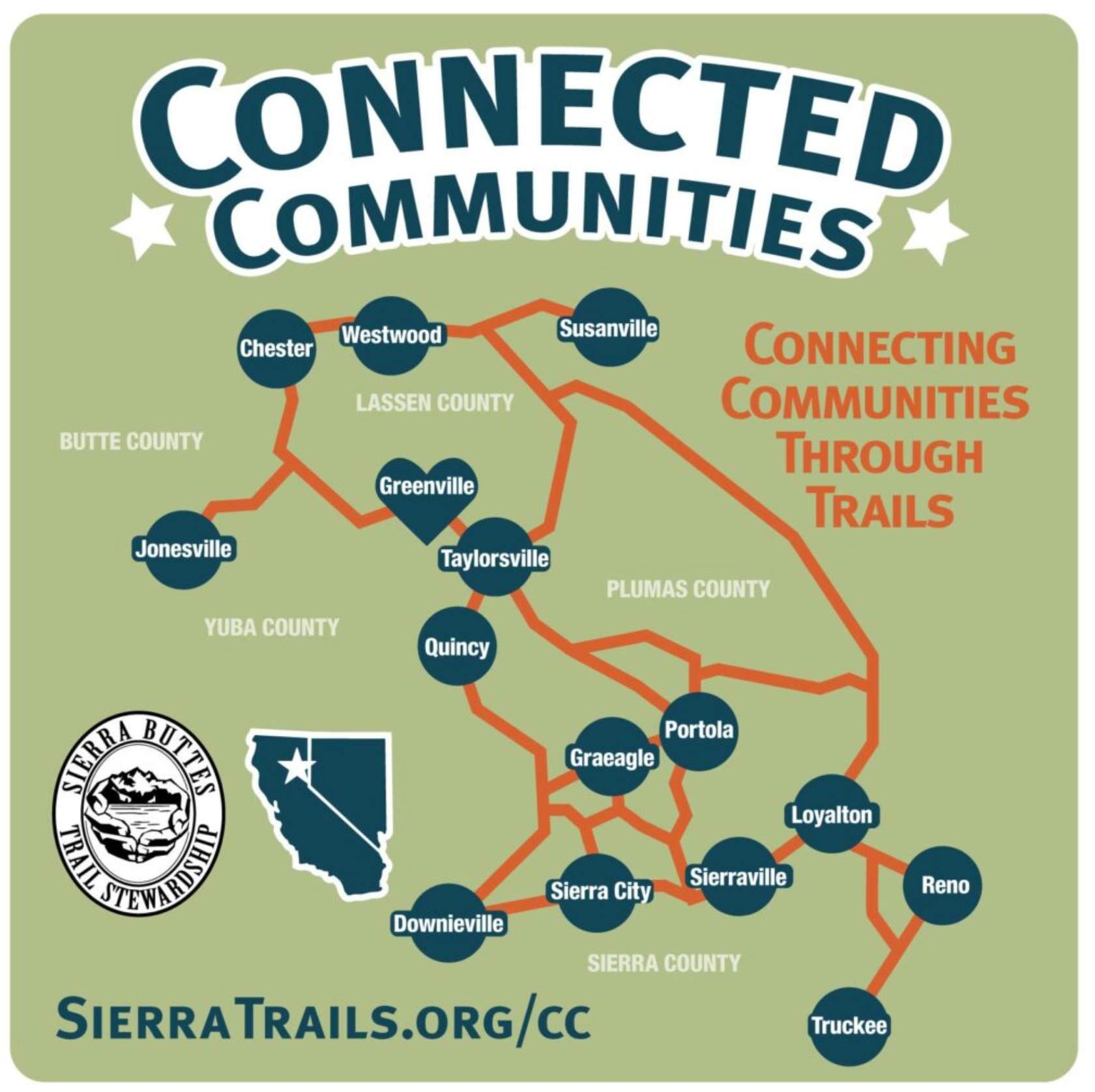
Formal regional collaborations can also increase bandwidth and shared expertise between low-resource communities. For example, in southwest Virginia, a regional collaborative between rural towns, state agencies, representatives from the Virginia State Legislature, planning district commissions, and public schools allows these communities to share nonprofit leadership, grant writing support, and marketing and branding under one roof. In California, the Connected Communities project connects federal land managers, Sierra Buttes Trail Stewardship, and community partners to connect 15 mountain towns for economic prosperity through outdoor recreation.
Other Arrangements
While an intergovernmental cooperative agreement may not be appropriate in all circumstances, less formal arrangements like a memorandum of understanding (MOU) between stakeholders are also effective in ensuring future buy-in and dependability.
The Western North Carolina Made by Mountains Partnership and Catawba Vale Collaborative Old Fort Project both utilize informal binding agreements, but credit those agreements to their effectiveness and inclusivity of prospective partners.
Eastern Sierra Sustainable Recreation Partnership
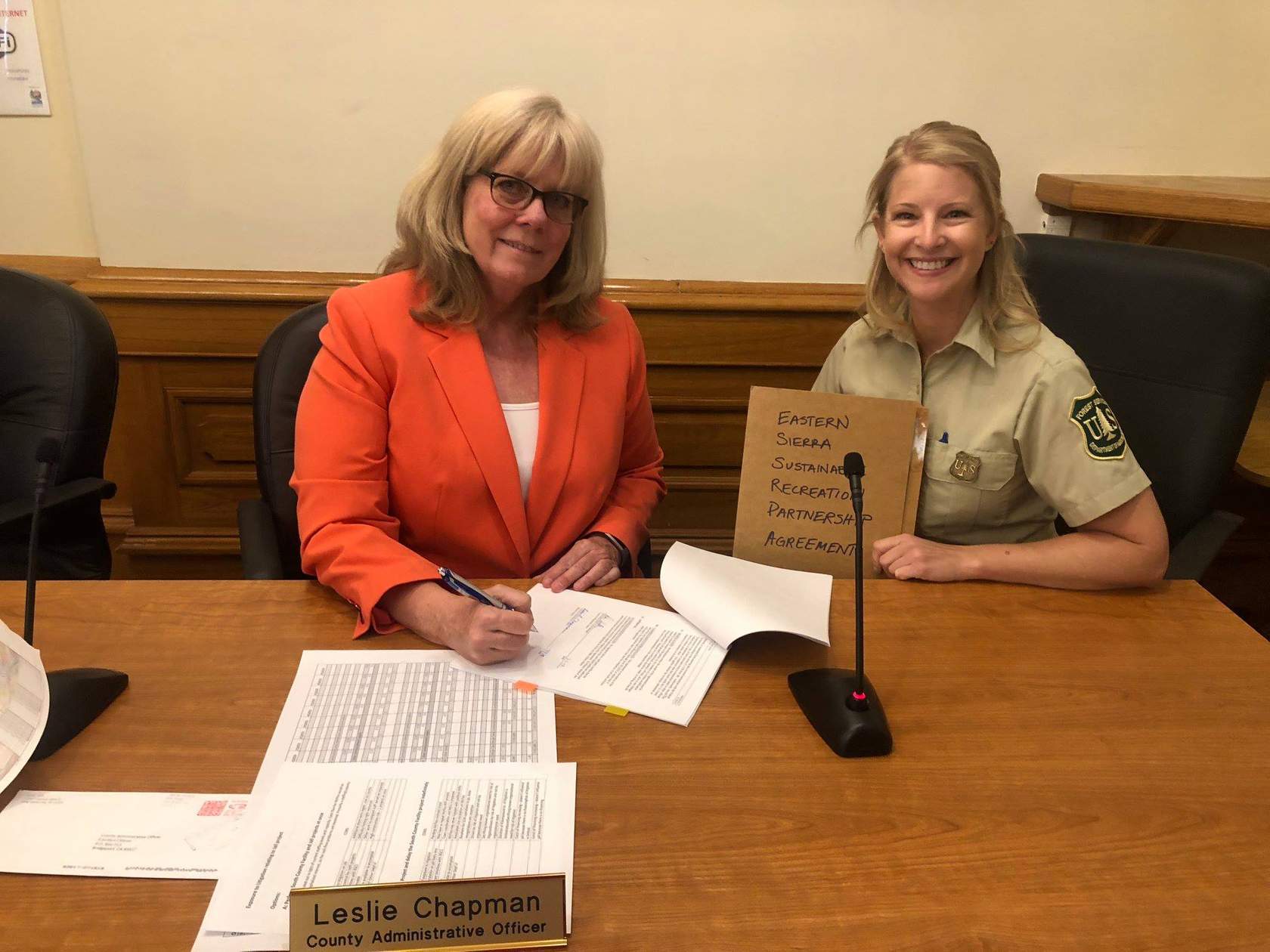
Image: Mono County and the U.S. Forest Service add their signatures to the Eastern Sierra Sustainable Recreation Partnership agreement.
Eastern Sierra Sustainable Recreation Partnership
Partnership Type: Public-Public
Binding Agreement: Intergovernmental Cooperative Agreement
Participants:
- Counties:
Alpine County, California
Inyo County, California
Mono County, California - Cities/Towns:
City of Bishop, California
Town of Mammoth Lakes, California - State Agency:
Caltrans - National Agencies:
Bureau of Land Management
National Park Service
Inyo National Forest, Pacific Southwest Region (USFS Region 5)
Humboldt-Toiyabe National Forest, Intermountain Region (USFS Region 4)
Description: The ESSRP grew out of a collaborative - the Eastern Sierra Recreation Collaborative (ESRC) – that was formed to help inform the Inyo National Forest’s new Management plan, one of the first in the nation to be crafted using the 2012 Planning Rule. The recreation collaborative was initially funded through a local non-profit, and was later supported by a grant from the National Forest Foundation. Through region-wide public meetings, the ESRC identified shared values, principles, and guidelines to share with Inyo National Forest leadership, many of which were later incorporated into the adopted management plan.
PA Wilds Planning Team
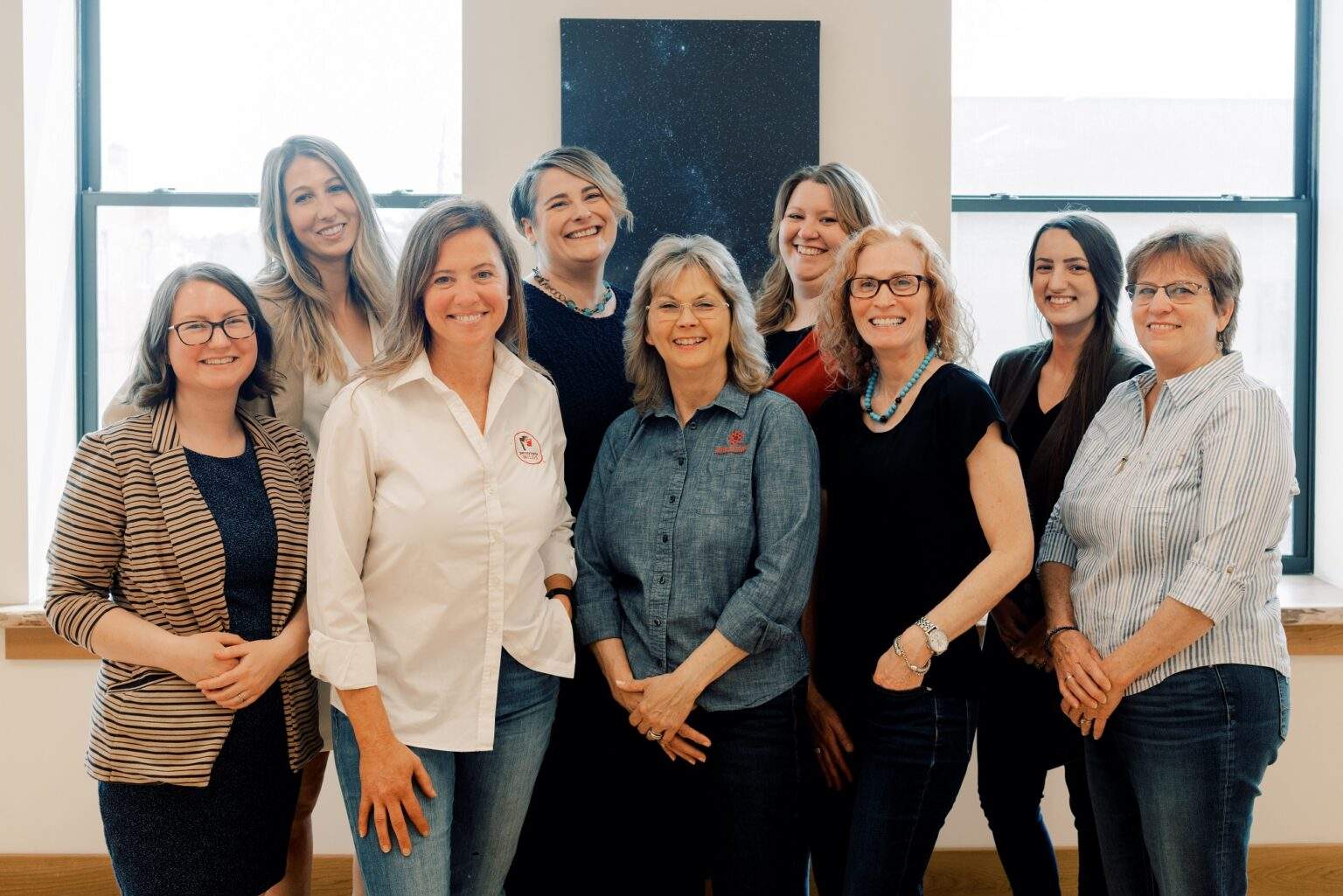
PA Wilds Planning Team
Partnership Type: Public-Public
Binding Agreement: Intergovernmental Cooperative Agreement
Participants:
- Regional County Governments (Typically County Planners)
- Four Economic Development Districts
- Two Heritage Areas
- Visitor Bureaus
- PA Wilds Center for Entrepreneurship (Administrative Partner)
- Conservation Partners
Description: In 2006, the PA Wilds Planning Team is formed through a groundbreaking Intergovernmental Cooperative Agreement, the largest geographically of its kind in PA. This binds the 12 counties of the region together around the Wilds work and creates a way for other local stakeholder organizations to have a voice in the Initiative. The Planning Team meets monthly to share information, to discuss potential impacts of the Initiative and to undertake activities collectively to assist communities in capitalizing on the Initiative’s economic potential without spoiling the region’s rural character and charm.
Made by Mountains
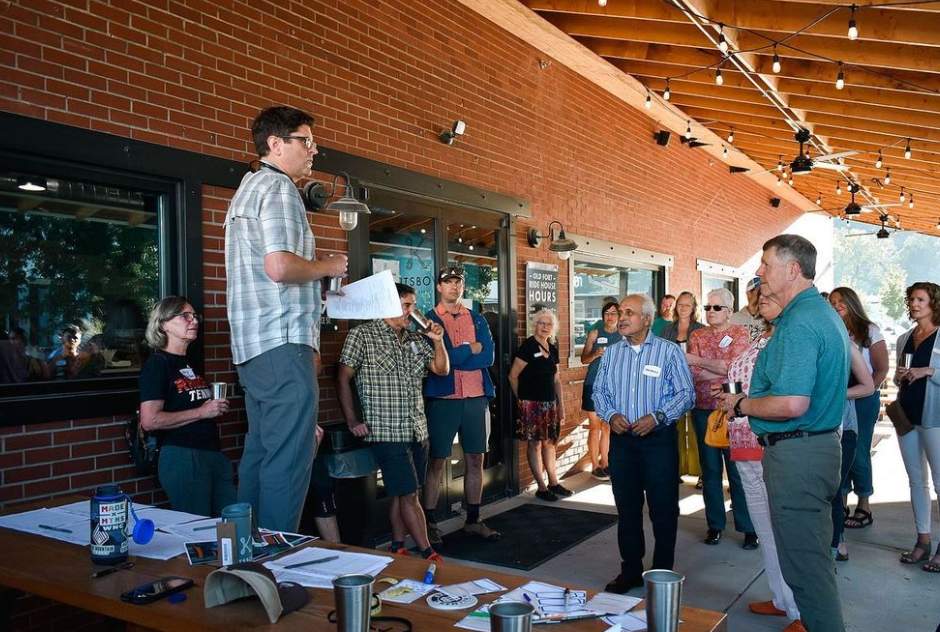
Made by Mountains
Partnership Type: Public-Private
Binding Agreement: None
Participants:
- Federal Interagency Partnership:
Appalachian Regional Commission - Health Nonprofit:
Dogwood Health Trust - Business Accelerator:
Mountain BizWorks - Small Business and Technology Development Center:
Outdoor Business Alliance - Academia:
Appalachian State University
Western Carolina University - Outdoor Access Nonprofit:
Black Folks Camp Too
North Carolina Great Trails State Coalition - Tribal Nation:
Eastern Band of Cherokee Indians - Economic Development:
Burke Development Inc. - County Economic Development Groups:
Southwestern Commission - Investor:
Partner Community Capital - State Agency:
NC Outdoor Recreation Industry Office
NC Department of Commerce
Description: The WNC: MADE X MTNS (Made By Mountains) Partnership works to expand the outdoor industry and economy across North Carolina’s Appalachian region and to catalyze rural economic development. MADE X MTNS celebrates, supports, and builds a stronger sense of pride around our region, our people, and the extraordinary outdoor recreation industry and culture that these mountains have made. We do this through three objectives: 1) Building Outdoor Communities by driving equitable outdoor economic & community development, 2) Growing Outdoor Businesses by connecting entrepreneurs to training, funding, mentors, and peer networks, and 3) Amplifying Outdoor Culture by creating a network of storytelling, collaboration, and camaraderie. Made by Mountains is the current form of the Growing Outdoors Partnership, an initiative funded by the Appalachian Regional Commission and Dogwood Health Trust.
Catawba Vale Collaborative Old Fort Project
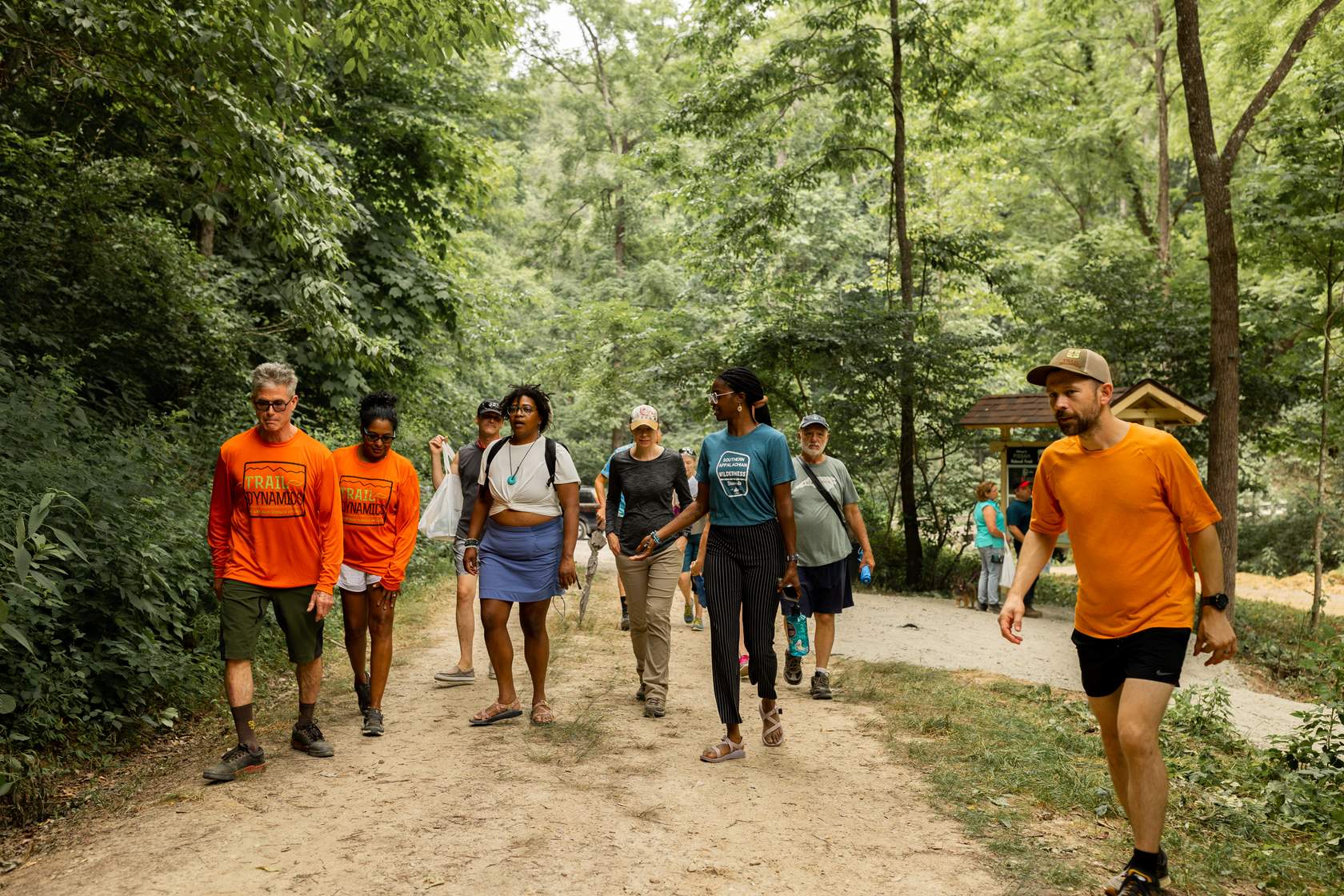
Catawba Vale Collaborative Old Fort Project
Partnership Type: Public-Private
Binding Agreement: None, bound through norms and shared expectations
Participants:
- Eagle Market Street Development Corp. (Primary focus: promoting economic equity through real estate investments and small business funding in Black communities across North Carolina)
- People on the Move for Old Fort (Primary focus: Rebuilding a sense of pride in community, reclaiming public spaces, and creating more visibility of Black leadership in Old Fort
- Camp Grier and the U.S. Forest Service, also known as G5 Collective (Primary focus: Trail Development and Forest Management)
- University of North Carolina Chapel Hill and Texas Tech University (Primary focus: History and Archaeology)
Description: The Old Fort project, spearheaded by the Catawba Vale Collaborative (CVC), is redefining rural economic development through outdoor recreation in Western North Carolina. This means identifying outdoor recreation assets that have the capacity to spur significant economic development, positioning marginalized communities to take advantage of this growth from the beginning, leading the project with a push for workforce and affordable housing, and storytelling to enrich locality, memory, and identity through community-engaged archaeology.
1 of 6

Engage people up front before there is implementation of a project. They might be in the health field, they might be in education, technology, or whatever — you need to figure out how to align your project with what their goals are and make it as robust as possible. I had success in presenting to many people, forming a genuine relationship with them, and aligning our goals through outdoor recreation.