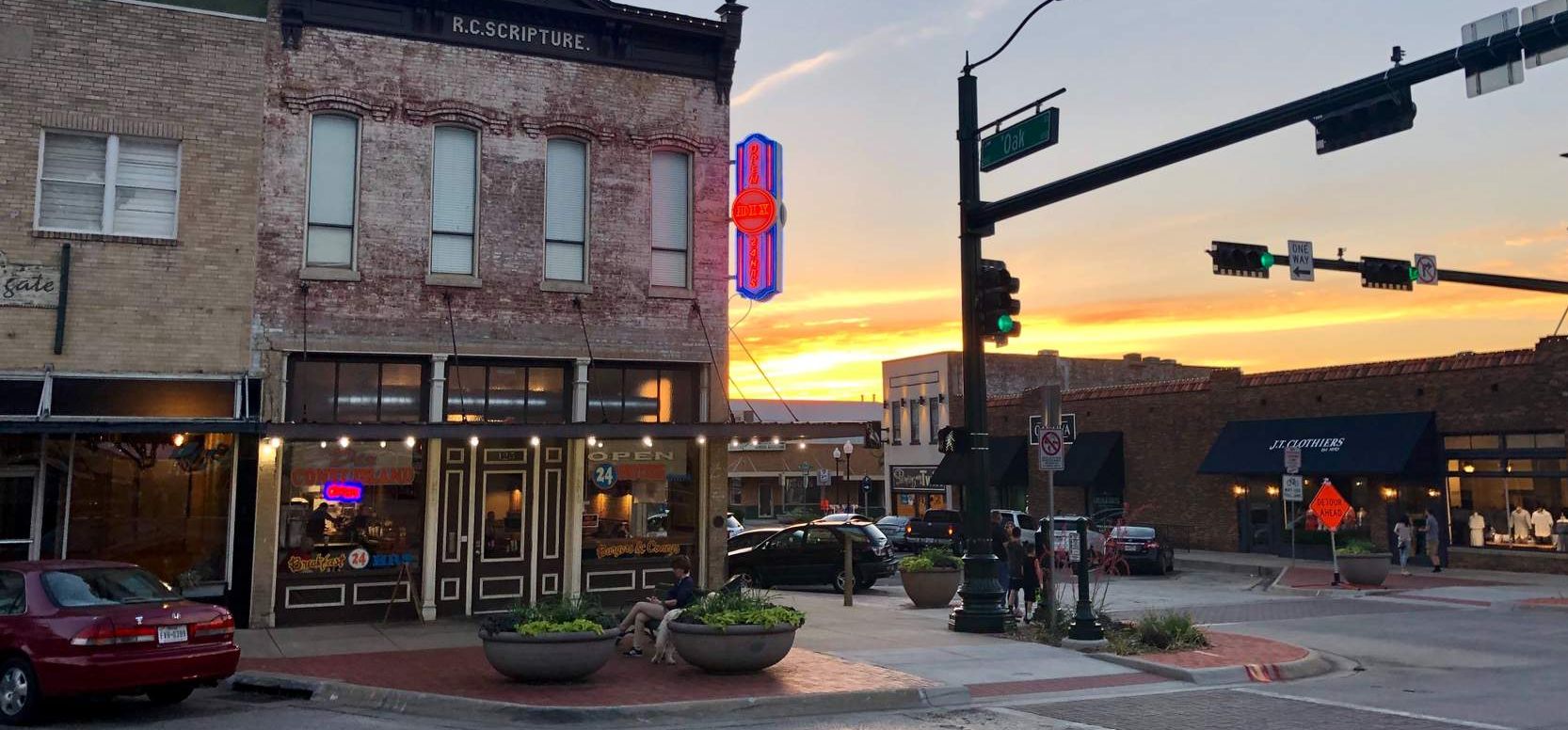
Rural economic development via outdoor recreation is also hamstrung by administrative bandwidth issues in communities where potential leaders have various existing commitments and minimal extra time to spearhead a new initiative.
Some communities don't have the resources to spearhead such a thing. Everyone has rural jobs and they don't have the time to figure out what the blueprint would be. They're eager about outdoor recreation but don't have the capacity.
This lack of availability and bandwidth comes at a time when federal and state grant requirements are often more thorough than ever before, requiring months of planning, coordination, and diligence just to submit a competitive application. Kristin Kovalik from the Trust for Public Land Oregon noted that basic lack of understanding about requirements can be a barrier to federal grant programs. Even if local leaders could apply, oftentimes they don't because they're too busy, or the program's requirements are too difficult to manage.
Complaints I’ve fielded about the NPS’s Land and Water Conservation Fund (LWCF) application process have been about the ever-increasing, high degree of planning, administrative, and occasional legal skills required to complete a meaningful application or its defense. We’re doing a lot of the same type of projects now that we did fifty years ago, but the administrative packages have gone from three pages to forty.
In recognition of challenges like these, Wyoming Governor Mark Gordon lobbied state lawmakers for funding in early 2024 to create a new grants management office to help Wyoming communities become more competitive for federal grant opportunities. In the same light, multiple interviewees suggested the hiring of a regional coordinator at the state level to manage development opportunities and source funding.
Reliance on Volunteers
Additionally, when it comes time to implement projects or perform maintenance on existing assets, communities frequently rely entirely on volunteers, which can create impediments to efficient and time-sensitive work.

There is an incredible dependency on volunteer labor, donated materials and use of equipment to build and maintain outdoor recreation (public) infrastructure, seemingly more than any other industry, which is a challenge.

When building, maintaining, or protecting trails, we've generally been 100% run by volunteers, but we know that doesn't work in the long term. We've been vocal about needing funds in perpetuity. There should be a line item for the general fund — 'this goes to trails in rural and urban areas.'
Difficulties With Cost-Sharing and Match
On top of challenges with applying to and reporting on grant opportunities, many federal funding opportunities require cost-sharing between federal and local partners that is insurmountable for rural communities, leading to an inequitable disbursement of funds to larger and/or more wealthy communities who can provide the match.
The statutory, 50-percent required share sounds equitable but is totally beyond the reach of most localities to afford even in good times, which really needs to change if the program’s benefits are to amount to anything for other than the most well-heeled grant applicants.
Several state directors of outdoor recreation cited the difficulty of achieving matching funds. For some, a rural community might have just over 1000 people and scarce financial resources; for others, state and local governments facing large budget deficits are limited in their ability to provide match. In many communities with outstanding outdoor recreation potential, this results in leaving available funding on the table. In addition, many communities simply don't know where to start the search for funding, or how to navigate existing funding opportunities.
As illustrated by the funding example in rural West Virginia earlier in this toolkit, where a combination of funding from CDFIs, foundations, federal agencies, and the State of West Virginia enabled a stakeholder group to convene, these funding difficulties are not insurmountable, but can be nearly impossible unless the community has a dedicated fundraiser working on their behalf to unite funding sources and pitch potential projects.
Data and research indicate that most rural communities in Michigan have limited capacity for planning and other proactive economic strategies, and many report concerns with their inability to monitor funding opportunities, apply for grants, or attract investment.
Inter-agency tensions
Inter-agency tensions (e.g. between recreation managers, parks agencies, tourism offices, and economic development offices over roles, authorities and values) can also inhibit progress on initiatives, particularly when an organization is hoping to prove its efficacy at the local, state or national level.
Finding Solutions
There is no easy solution to address these challenges—rural leaders work tirelessly to make ends meet, often balancing multiple jobs and obligations to their community and family alike. That said, some strategies mentioned earlier in this toolkit can assist stakeholders in their efforts.
This can include having a designated nonprofit to facilitate and convene gatherings (and provide stakeholders modest compensation for their time, if possible) and providing accessible professional development opportunities for leaders.
Communities could also utilize existing grants and technical assistance (particularly the EPA Recreation Economy for Rural Communities, and EDA Economic Adjustment Assistance Strategy Grants) for the creation of economic development plans and grant writing support.
Additionally, states can support local stakeholders by expanding state outdoor recreation offices with more staff to provide full-time administrative support to communities or by building outdoor recreation-specific grant programs to support convening efforts, planning, and implementation.
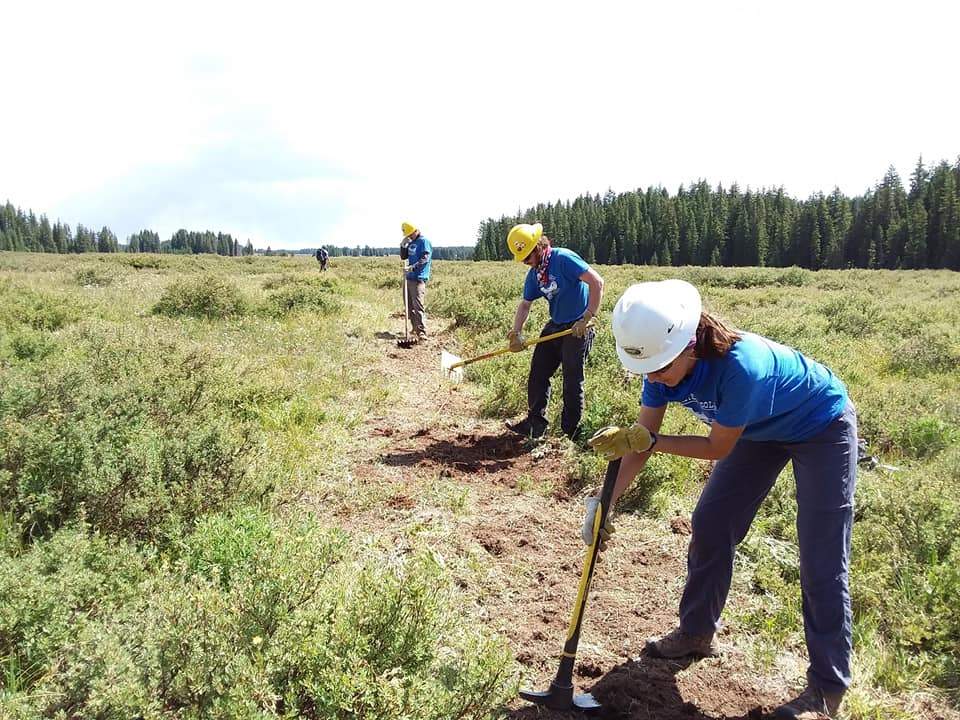
Youth Conservation Corps ('Corps') are locally-based organizations that engage young adults (generally ages 16 – 25) and veterans (up to age 35) in service projects that address recreation and conservation, among other desired outcomes. Over 140 Corps organizations are currently recognized as part of the 21st Century Conservation Service Corps, which saw bipartisan support in Congress in the 2019 John D. Dingell, Jr. Conservation, Management, and Recreation Act.
Corps work on all types of conservation, restoration and resilience and disaster response work, and provide outstanding quality of service at a fraction of the cost compared to traditional government contract workers. Corps can be utilized to advance green infrastructure projects across urban and rural communities, creating thoughtfully-designed open spaces that help manage stormwater and provide clean air and water.
Many low-income communities and communities of color experience under-investment in infrastructure and green spaces. Corps can be utilized to help correct these inequities by creating usable, modern outdoor spaces, and be utilized cost-effectively to complete locally targeted projects. In addition, Corps can provide income and work experience to individuals in communities who were hardest hit by the COVID-19 pandemic.
Learn more about Corps at The Corps Network website.