
In This Section:
- Definitions of regional management approaches
- Housing 101
- Community Challenges and Sustainability
- Value Capture
- Storytelling
An effective outdoor recreation economy plan for a community is essentially aiming to answer three core questions:
- For community members, “How will this benefit us, not just visitors?”
- For conservation partners, “What’s in it for the environment and our wildlife?”
- For local officials, “Why is this good for our economy and culture?”

It's important to ask these questions of communities — if you want to maintain the culture you have today, is it going to be a limit to growth? Is it going to be a restriction of commercially zoned parcels? There are ways a community can lock down size — but it can be difficult to lock down culture. Early collective visioning is super important — so that you are creating what you want to see, and avoiding unintended consequences.
The Need for Destination Management / Stewardship
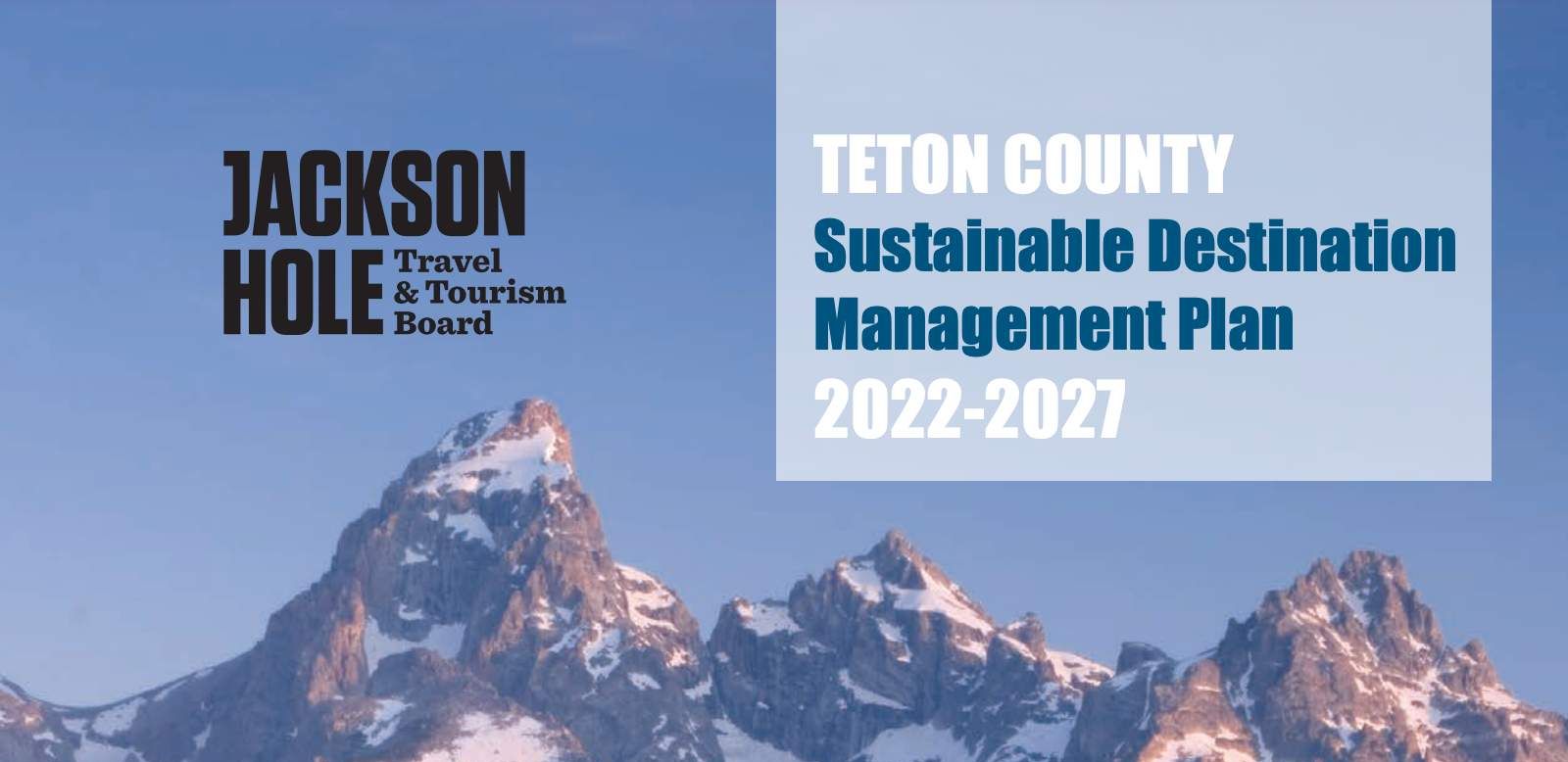
Destination Management is described by the United Nations World Tourism Organization as "looking strategically at all the components of a tourist destination to consider holistically how all stakeholders can work collaboratively to ensure the long-term health and sustainability of a destination." Teton County, Wyoming's 2022-2027 Sustainable Destination Management Plan demonstrates a comprehensive Destination Management plan for a large recreation community.
Additionally, Destination Stewardship, described by Mountain IDEAL as "the big-picture approach to the careful and responsible management of 'common pool' resources (e.g. public lands, climate, water, affordable housing, equitable access)" is another meaningful iteration of this approach, recently employed by an unprecedented coalition of 17 organizations in the Lake Tahoe region.
Old School: Destination Marketing
Both these approaches are in contrast to Destination Marketing ("promoting a specific location and its benefits") which was the preferred approach for regional and state tourism organizations for a long time. Now, as social media and travel blogs have rapidly grown in popularity, it is easier than ever to find information on desirable locations to live, work, and visit, and easier and ever to impact a place with over-visitation.
Housing
A community has residents all along the income and wealth spectrum.
Housing (rented and owned) is utilized by these residents through either existing housing stock or development of new housing stock.
As noted in a 2023 article in Rural Innovation Exchange, "New housing units can “loosen up” vacancy chains that can provide places for existing households to move and clear units for new entrants in the market, says Katie Bach, communications director, Partnerships and Engagement Division, for Michigan State Housing Development Authority."
Regional Housing Needs Assessments
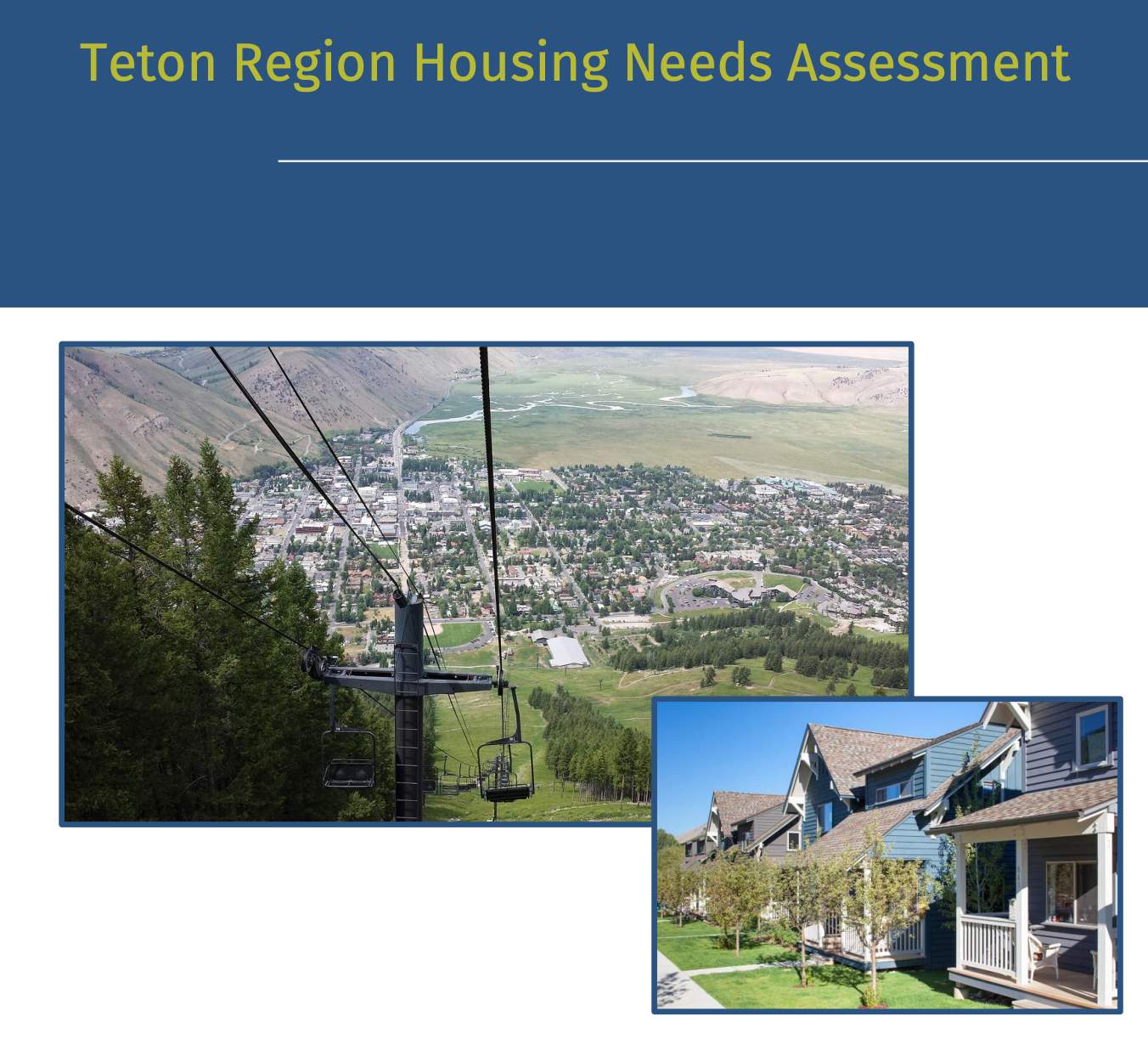
If possible, a community should first conduct a regional housing needs assessment to understand specific needs for each county in a region as well as connections to jobs, housing, and community.
Teton County, WY and Truckee/North Tahoe, CA are just some of the communities who have conducted these assessments.
Contributing Factors
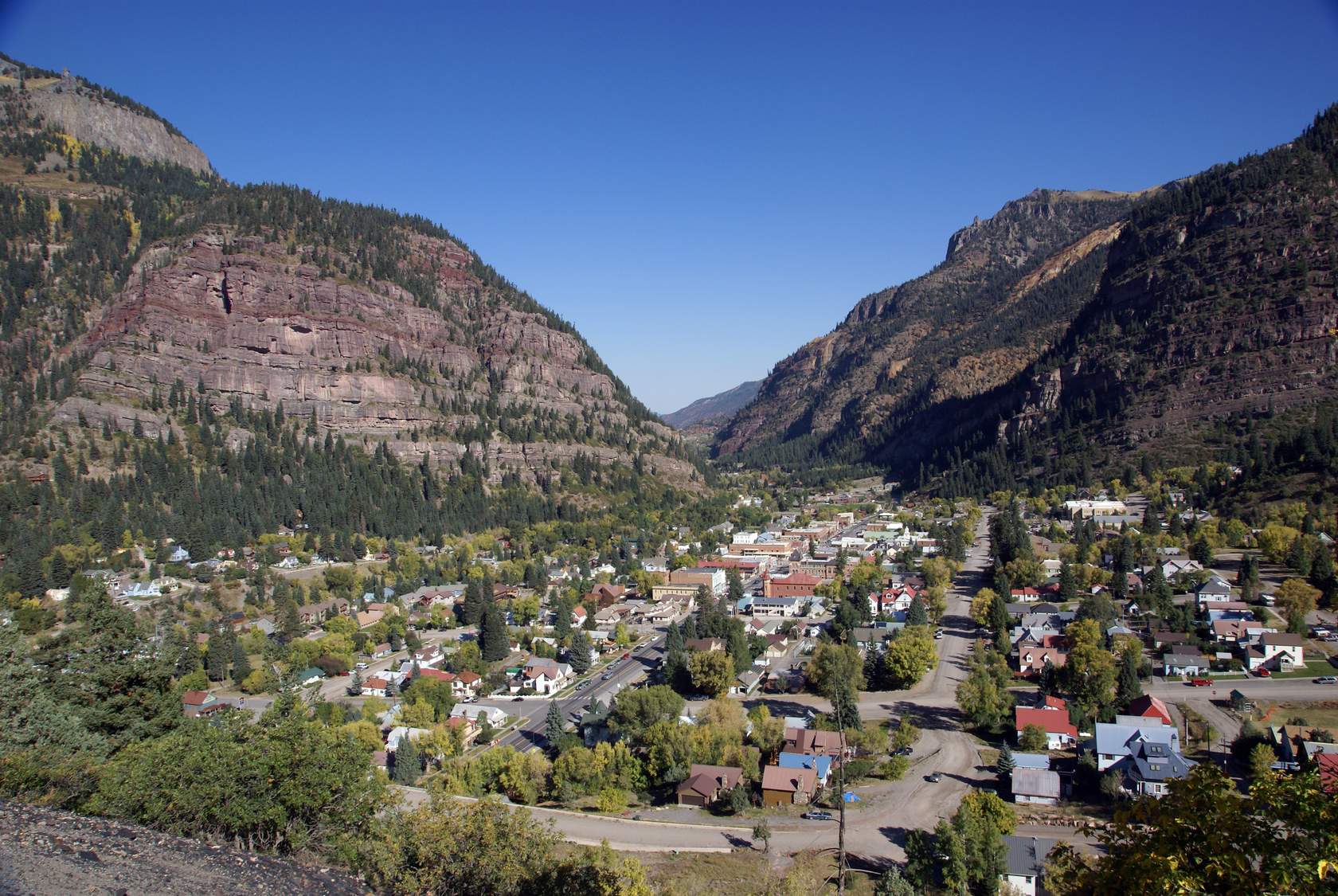
Because of their increased popularity, recreation communities face a high level of demand for limited housing stock, raising prices greatly.
Additional contributing factors to price increases and supply limitations in recreation communities are:
- limited developable land
- abundance of single-family zoning
- mobility of remote workers with disposable income
- rising development costs
- proliferation of second homes and rental homes (e.g. AirBnBs)
Deteriorating Housing
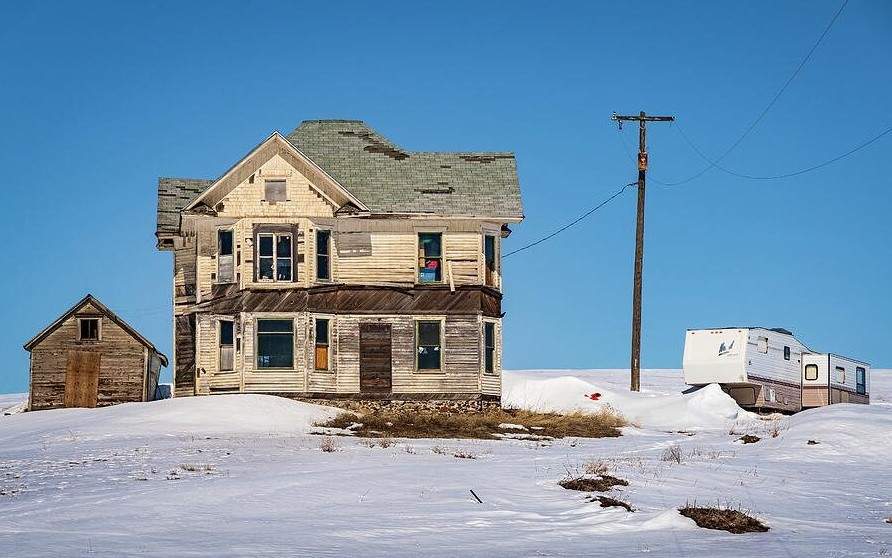
Frequently, middle- and low-income housing in communities deteriorates over time without reinvestment, leading to substandard options for residents.
Photo: David Sams
The Development Equation
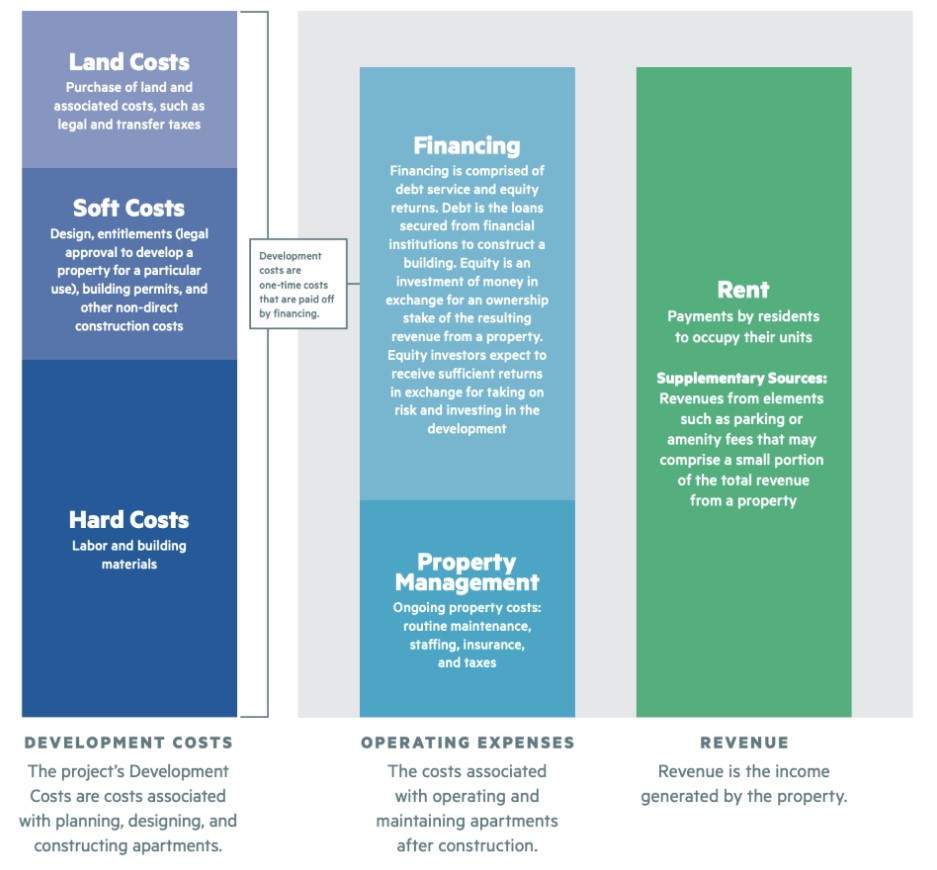
For a developer to build a housing unit or units, anticipated revenue must exceed expenses.
See the graphic above from the National Multifamily Housing Council which breaks down an apartment housing development into Development Costs, Operating Expenses, and Revenue.
This explains why market-rate or luxury housing is commonly developed—the expected rent or price ensures for the developer that revenue will exceed expenses.
When stacked together, state and local government policies and procedures can add significantly to development expenses, and therefore increase rent prices needed to cover expenses.
On the flip side, subsidies to promote affordable housing (from Local Housing Solutions) like grants, bonds, housing trust funds, or Low Income Housing Tax Credit Equity can reduce the amount of financing a developer needs, thus reducing the rent or price needed for the project to be financially reasonable.
Read more: "The Housing Affordability Toolkit: Cost Drivers", National Multifamily Housing Council
Supply Solutions - Building and Increasing Supply
According to the National Multifamily Housing Council, governments can help reduce development expenses (and thus rent prices) through strategies like: zoning to allow for more units to be developed in a given amount of land, unlocking new land to develop, investing in new infrastructure like broadband and sewage to increase developable land, and providing discounts to develop on public land.
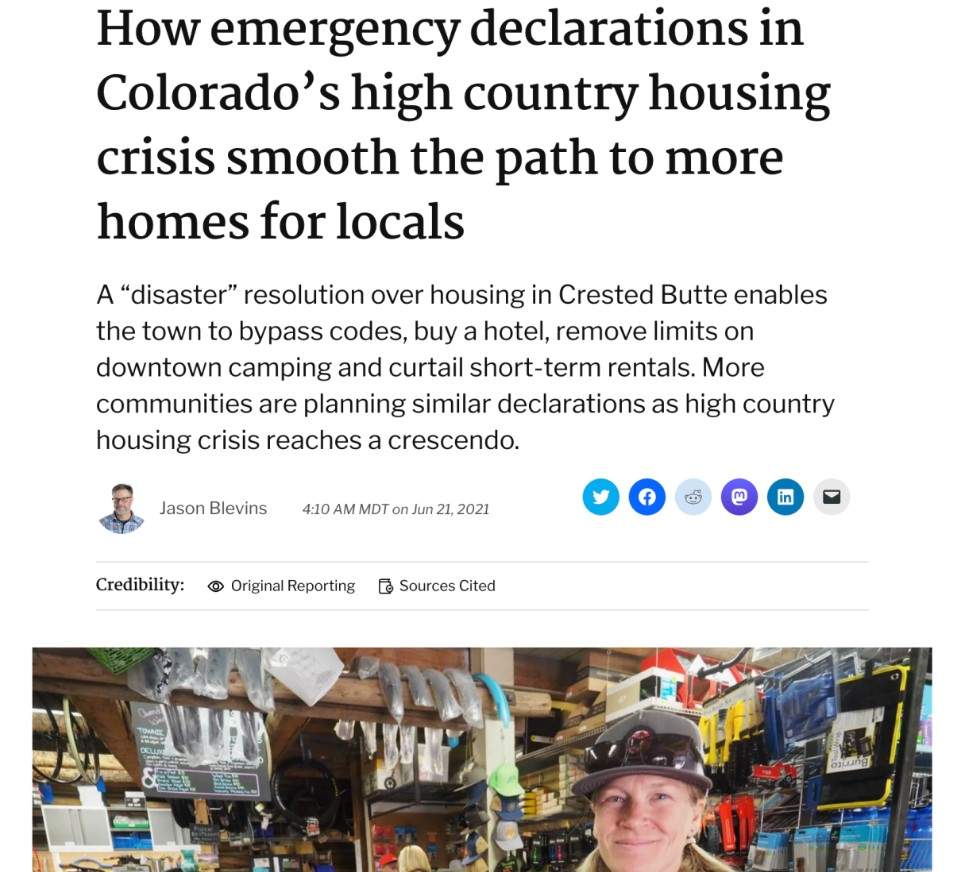
Governments can also reduce soft and hard costs through policies like removing parking requirements and increasing bikeability, and streamlining permitting and fee requirements, among others. Crested Butte, CO went as far as utilizing an emergency declaration to bypass provisions in the municipal code.
Of course, there is no silver bullet — removing precautionary barriers to building can also lead to unintended consequences down the line.
Read more: "Housing Policy Library", Local Housing Solutions
Supply Solutions - Building and Increasing Supply
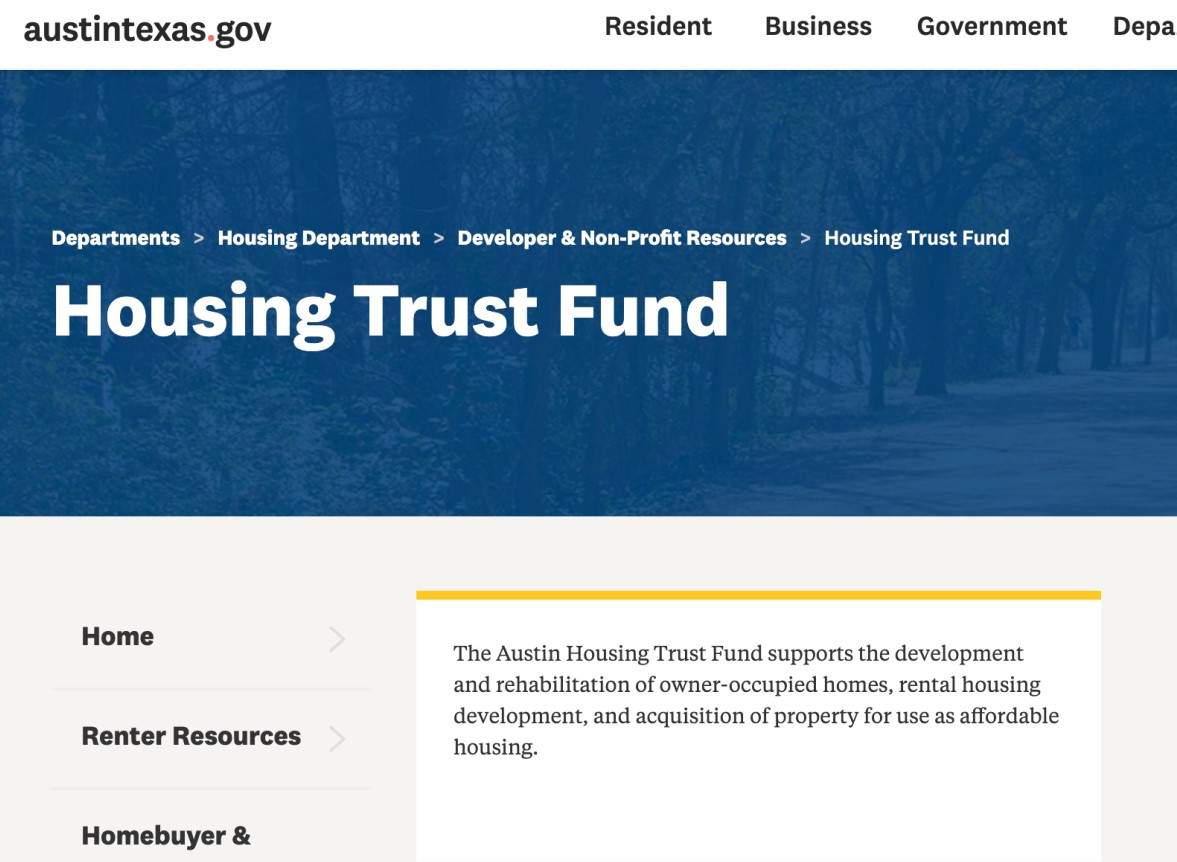
The public sector can also take steps to increase revenue for development of affordable housing. This could include the creation of a Housing Trust Fund as in Austin, TX that provides things like capital subsidies, below-market financing, operating subsidies, acquisition and operation of rental units, and others.
Supply Solutions - Building and Increasing Supply
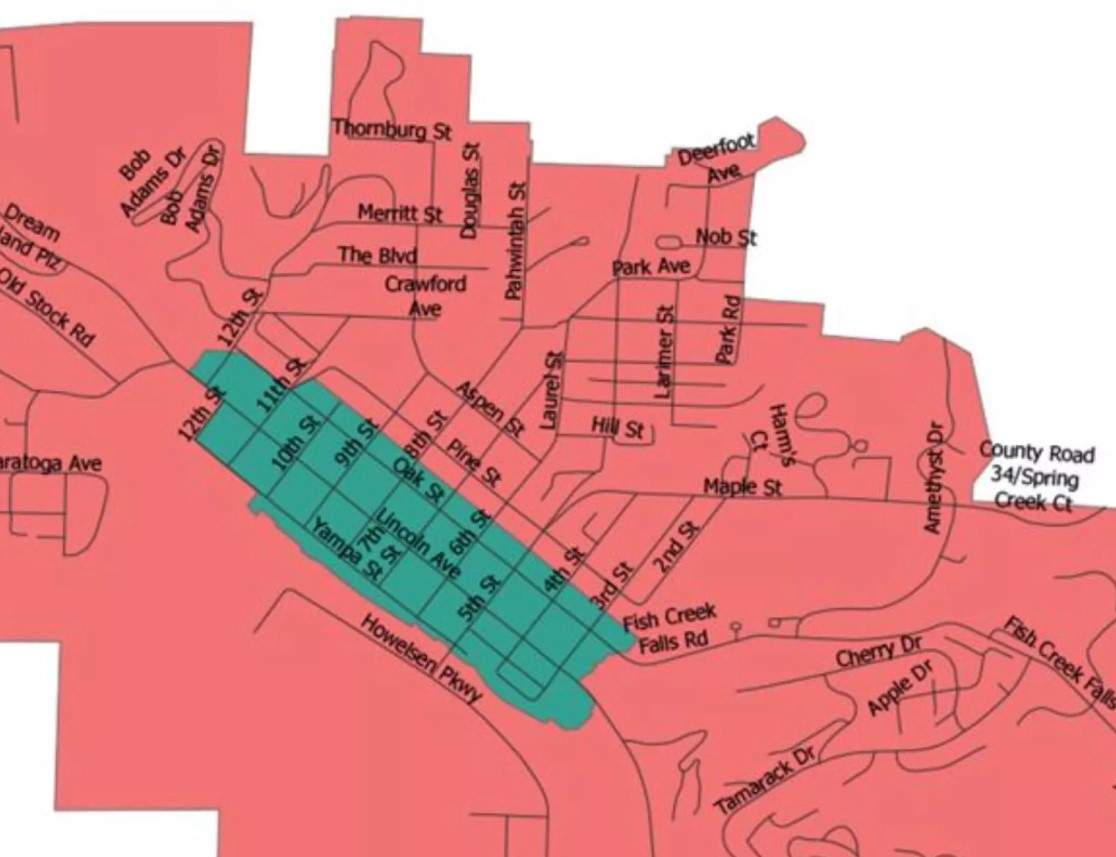
Communities can also find ways to increase the provision of existing housing units to locals. In recreation communities, this often relies on regulation of short-term rentals (i.e. rented less than a year and only for a few nights or weeks at a time).
Communities can take this on in various ways, from proposed short-term rental ordinances in Columbia, SC, banning short-term rentals in specific regions as in Steamboat Springs, CO or phase-outs of all vacation home rental permits in residential areas, as in South Lake Tahoe, CA.
Supply Solutions - Building and Increasing Supply
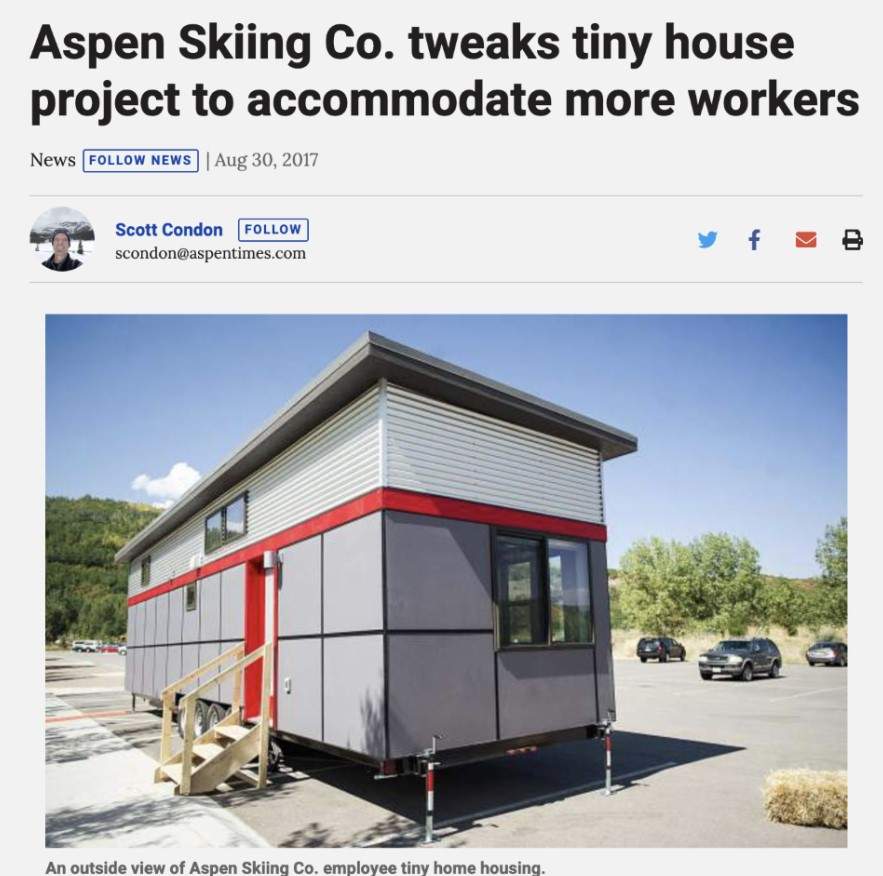
Increasingly, large employers in recreation communities are entering the housing supply equation, by purchasing or building homes to accommodate seasonal workers as in Aspen, CO, a $10 million housing project at Saddleback Mountain in Maine, or renting local hotels for seasonal housing options as in Bend, OR or Glenwood Springs.
Read More: Killington Resort Pledges $700K for Workforce Housing
Supply Solutions - Building and Increasing Supply
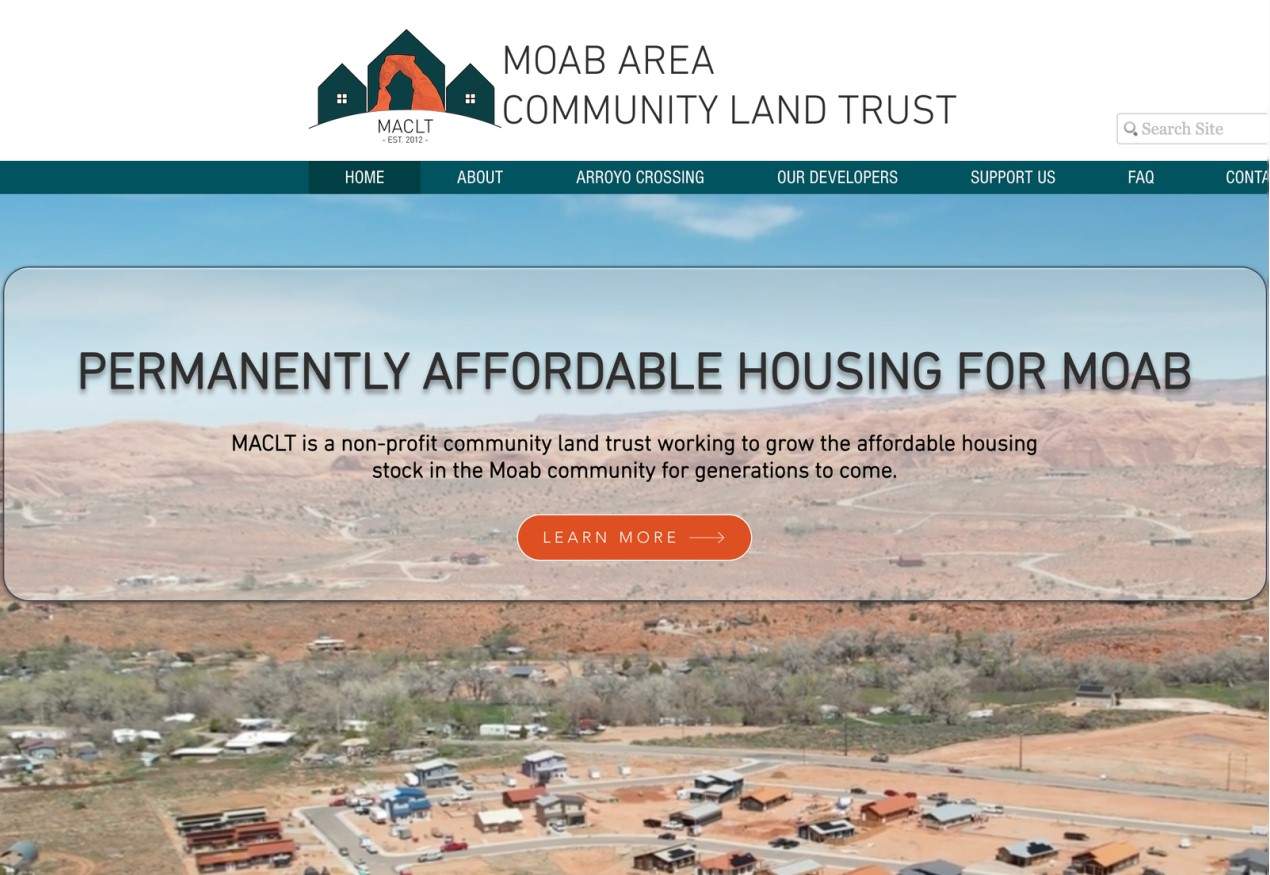
Community land trusts in recreation communities are also becoming an increasingly popular model to both acquire parcels of undeveloped land and hold them in trust with deed restrictions-for instance, income limitations and year-round residency.
Examples include Moab Community Land Trust, Orcas Island Community Land Trust, Jackson Hole Community Housing Trust, and Island Housing Trust.
Supply Solutions - Building and Increasing Supply
Some towns are providing payments and tenant matching services to home-owners to incentivize long-term rentals or deed restrict homes. In the case of the latter, funds can be used for down payments, home repairs, and special assessments.
Examples include the Truckee, CA Lease to Locals Program, Vail, CO Vail InDeed Program, Breckenridge, CO Housing Helps, and Jackson, WY Preservation Fund.
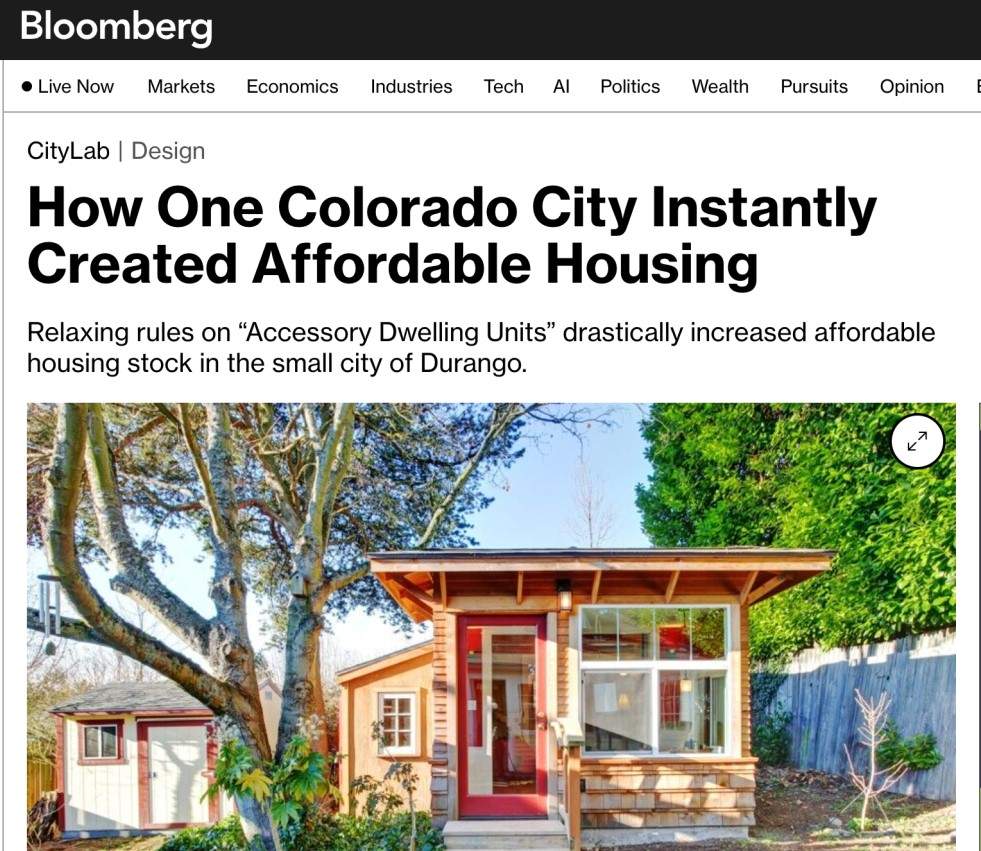
Other communities have relaxed development rules to create new or grandfather in old accessory dwelling units to housing inventory, as in Durango, CO.
Supply Solutions - Building and Increasing Supply
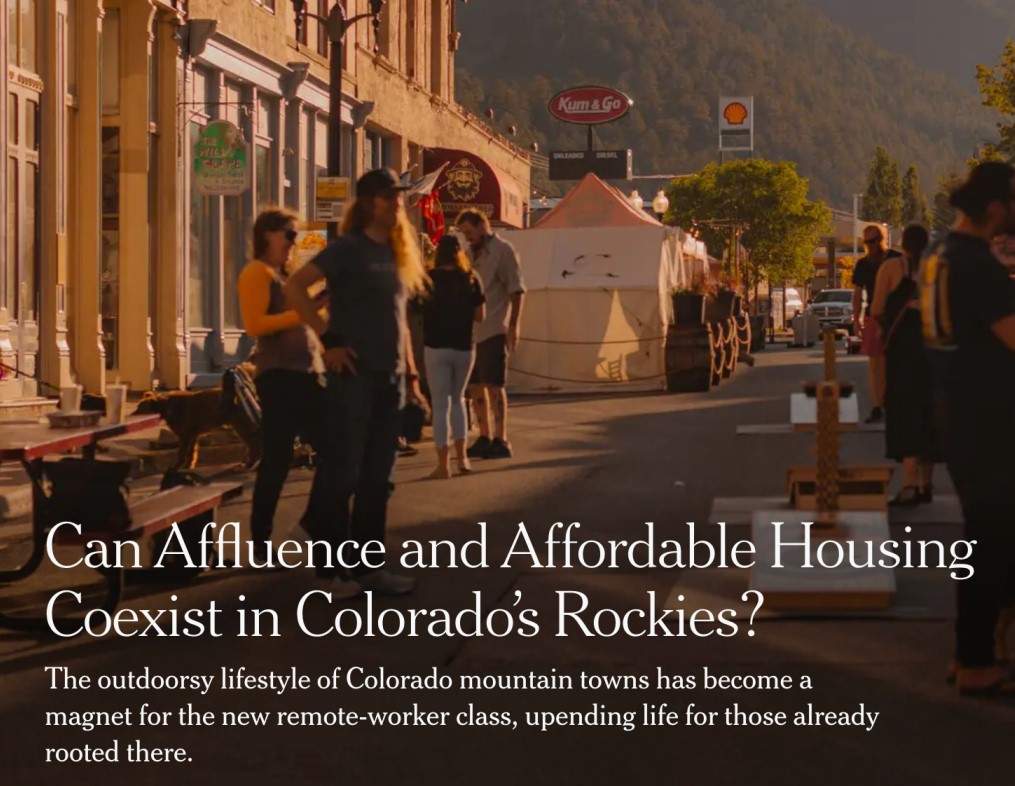
In more extreme cases, communities have considered or enacted proposals to eliminate or restrict single-family zoning, tax unoccupied homes, and prohibit barriers to construction of multi-family units.
The Methow Housing Trust is exploring permanent “housing easements,” which would establish permanent easements on properties that would require occupants of housing on those properties to be full-time residents of the Methow Valley.
Supply Solutions - Improving Existing Supply

One method for improvement is code enforcement, in which inspections are utilized to evaluate housing quality and property owners are given a certain amount of time to comply.
Local Housing Solutions advocates for a "cooperative compliance/facilitative model" in which code enforcement officers educate property owners about the standard for housing quality and connect them with resources to make repairs.
Resources may include minor home repair grants, lead consultations, property tax incentives, and other cost-sharing programs.
Read more: "Code Enforcement," Local Housing Solutions
Demand Solutions — Supporting Renters and Buyers

Federal, state and local governments can establish programs like tenant-based rental assistance (including some for specific groups like seniors and people with disabilities) on costs like security deposits, first and last month’s rent assistance, down payment and closing cost assistance, creative mortgages, and discounted sales of city-owned property.
Read more: “III. Help Households access and Afford Private-Market Homes," Local Housing Solutions
Demand Solutions — Supporting Renters and Buyers

Governments and nonprofits can also provide programs like energy-efficiency evaluations and retrofits to save on cost of heating and electricity, or provide legal assistance for victims of discrimination, and education and enforcement of fair housing laws and eviction prevention programs.
States like Wyoming have established property tax relief programs for income-qualified homeowners.
Demand Solutions — Supporting Renters and Buyers
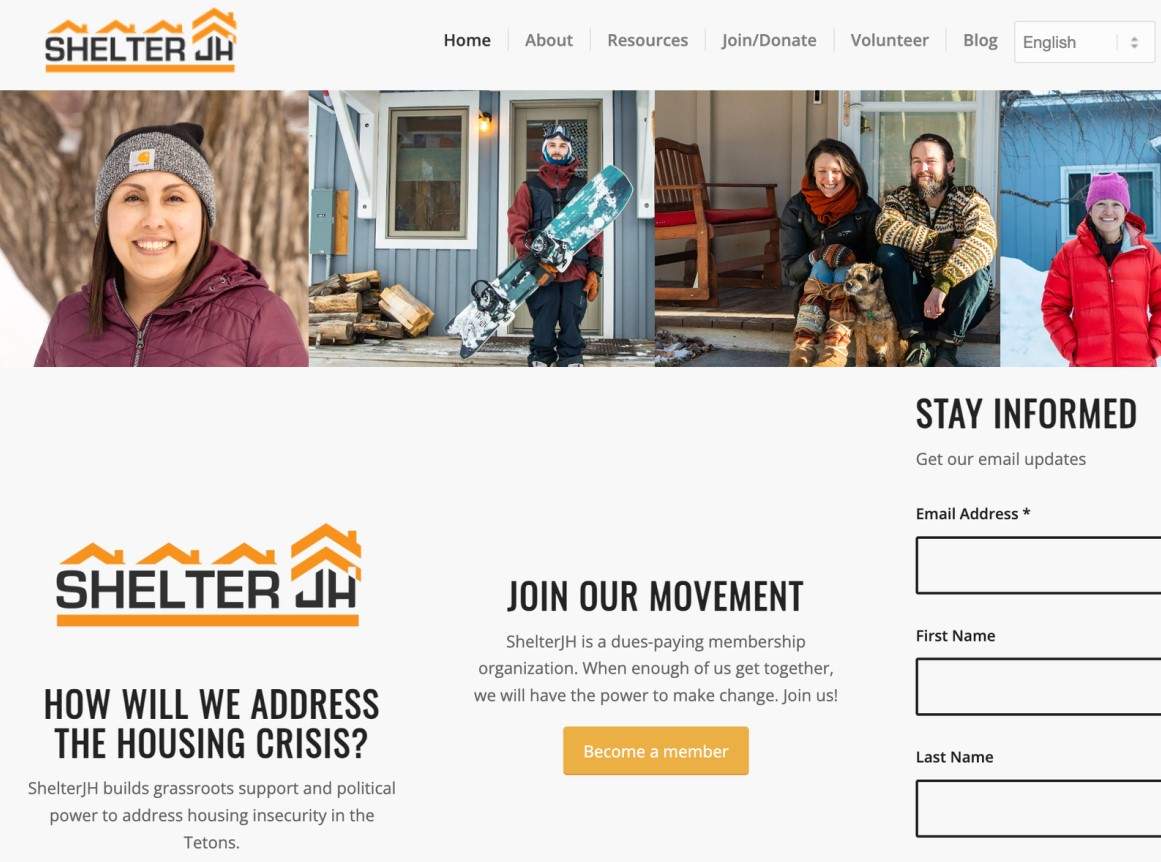
One solution is to provide residents a nonprofit channel for financial assistance and advocacy for stable housing.
Salida, CO’s Bringing Everyone Together through the Crisis of Housing (BETCH) is a mutual aid organization which operates a Foundation that provides rent subsidies for rent-burdened households, and also manages a Safe Outdoors Space in town (electricity, water, wifi, trash service, hot showers). ShelterJH in Jackson, WY provides education to residents, advocates on behalf of a pro-housing policy platform to local officials. Shelter Whitefish in Whitefish, MT follows a similar model.
Overarching Plans
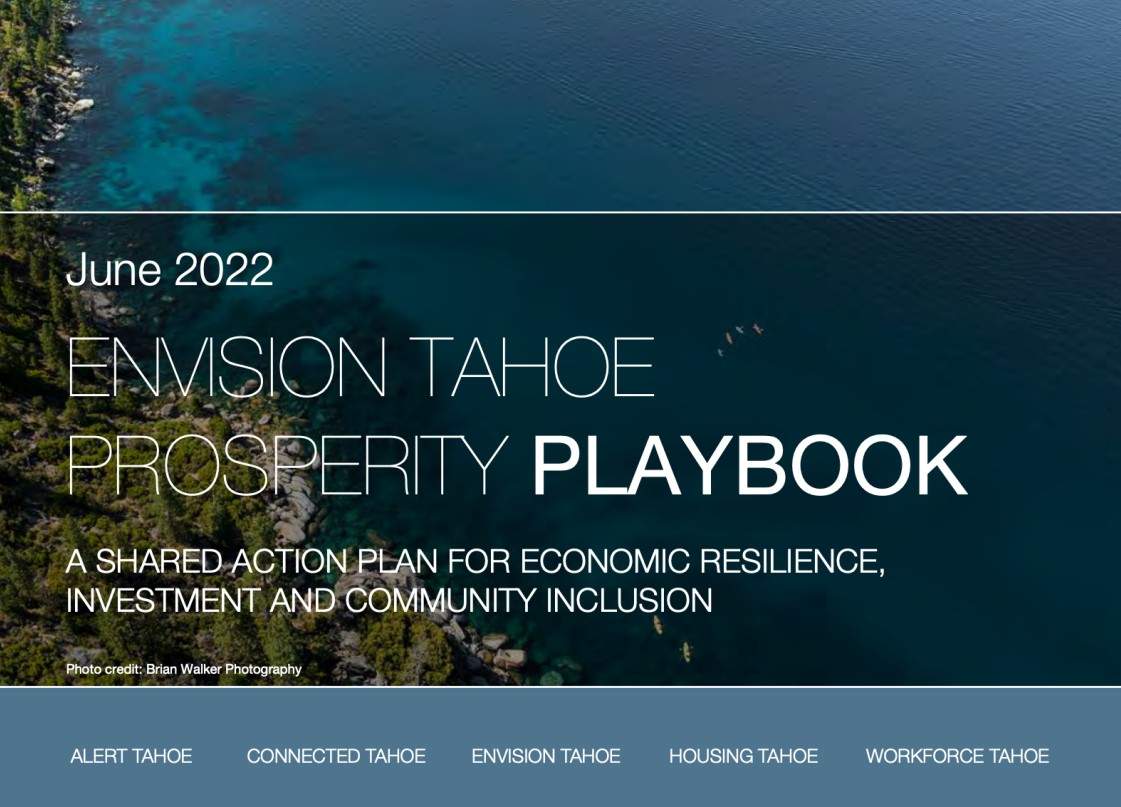
Sophisticated and well-resourced communities have also united diverse stakeholders to set a regional plan for housing and community prosperity.
Tahoe Prosperity Center’s Envision Tahoe outlines strategies for progress on fundamental issues such as housing, transportation, tourism, driving entrepreneurship, supporting new industry clusters, and creating new skill pathways for workers, and the Zion Regional Recreation Management Plan addresses similar goals.
Read more: “Addressing housing challenges on a regional basis," Local Housing Solutions
Other Considerations for Housing Stability
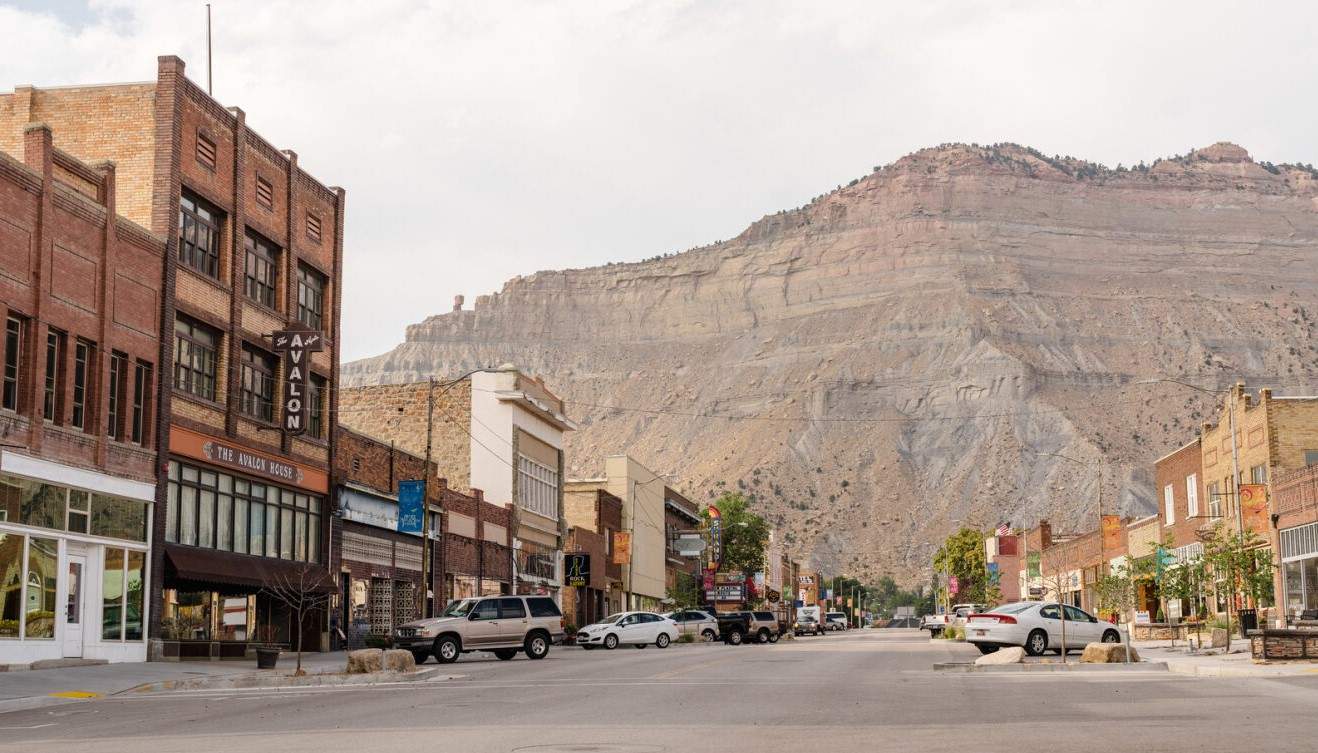
And it’s not just housing to be considered—childcare options and regional transportation needs to be part of the mix to support working families and people without easy access to transportation. Some communities have proposed the use of lodging taxes for provision of childcare facilities, as in Eagle County, CO.
In Summary
Evidently, there are no easy solutions to the provision of affordable housing for all members of a community, but many examples from around the country from which to pull information.
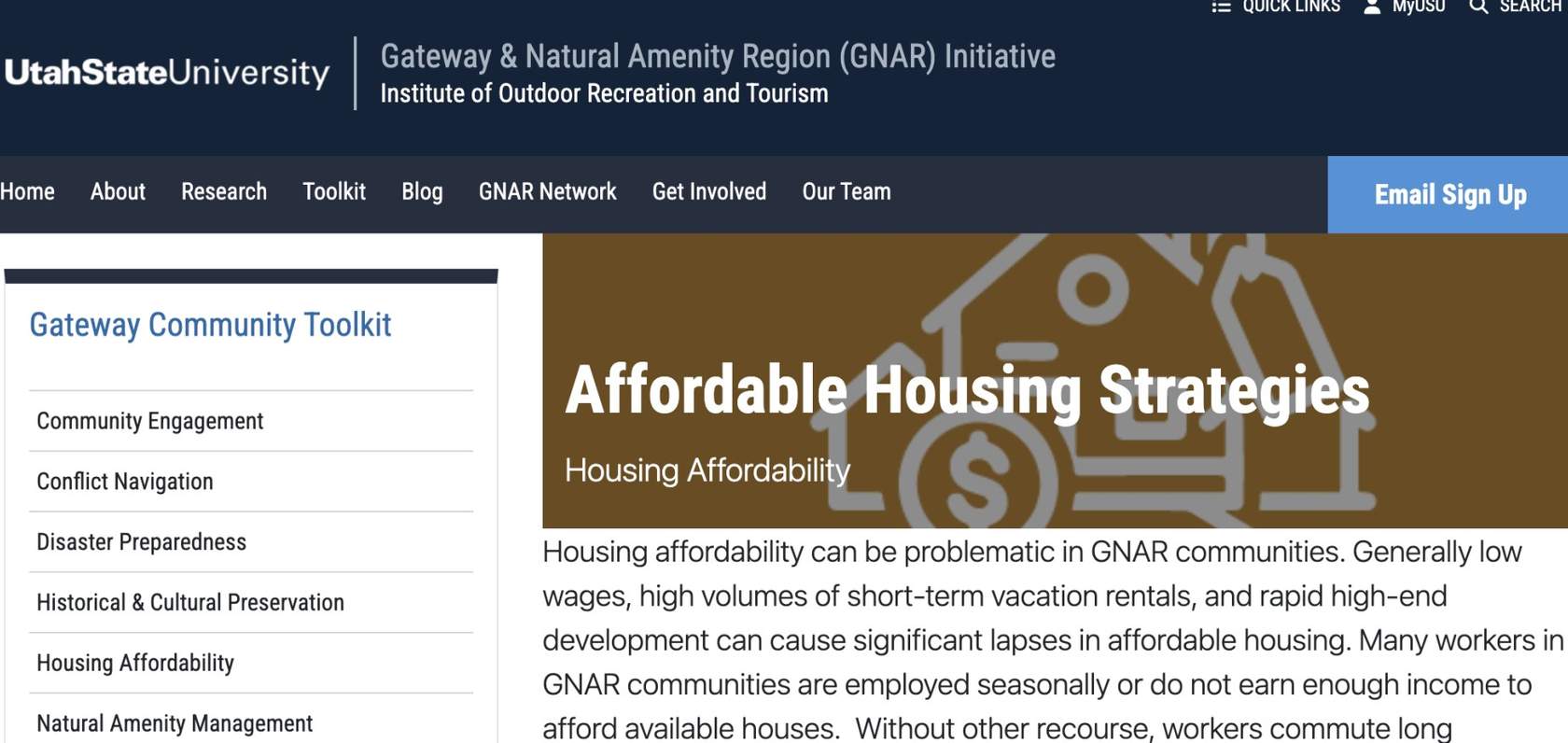
This is just a 101-level breakdown of housing in recreation communities. To dive deeper, we suggest consulting the Utah State University G.N.A.R. Initiative Toolkit on Affordable Housing and Short Term Rentals. Additionally, Fourth Economy offers an equitable housing toolkit with core considerations and approaches to promote housing for all. Both resources provide excellent examples from within recreation communities facing these challenges.
Solving the Housing Puzzle: EDDs as Regional Housing Changemakers, from the National Association of Development Organizations, highlights the role of Economic Development Districts in supporting housing solutions with best practices and implementable strategies for a variety of different roles that EDDs have taken including Planner, Financier, Land Manager, and Developer.
Read more: "Four southern Vermont towns address the housing crisis — collaboratively," VTDigger, Oct. 3, 2024
1 of 22
The Amenity Trap
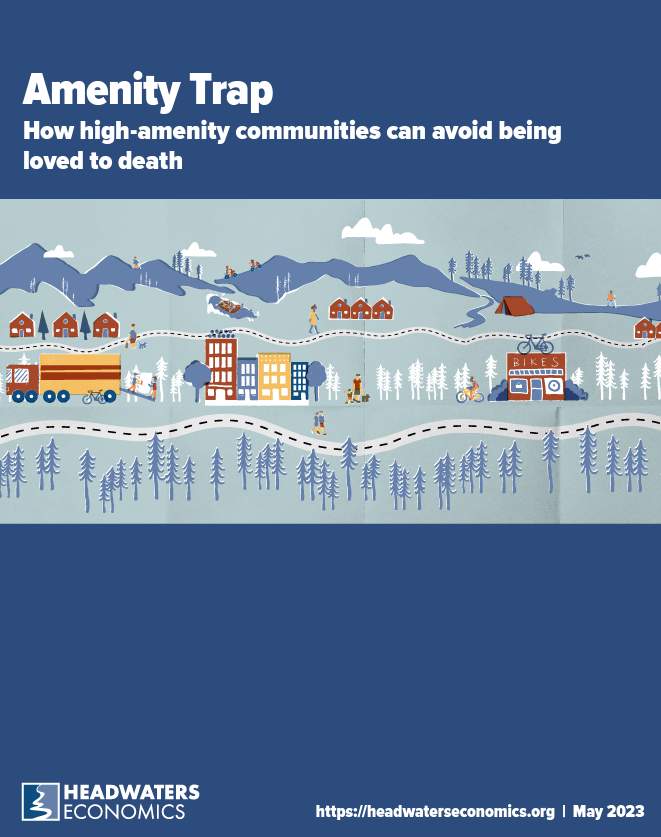
As profiled in the May 2023 Headwaters Economics report "The Amenity Trap: How high-amenity communities can avoid being loved to death" by Megan Lawson, PhD and Kris Smith PhD, communities popular for their recreation infrastructure can be subject to challenges in affordable and stable housing, crumbling infrastructure and social services, local tax revenue and natural disasters. Within these buckets include more specific issues like income inequality, short-term rentals, education, childcare, emergency services, wildlife management, and many others. These issues can be mitigated and prevented, but only with proactive planning and attention. As noted earlier in the toolkit, communities are often so eager to attract attention and reverse historic declines that they can adopt overly aggressive strategies to attract external investment in visitors.

It’s time we shift understanding towards what it means to be in deep relationship for generations with a place. That means shifting between seeing a place as a resource and seeing as a family member, similar to a relationship you would have with your own parents and your own grandmother. I think about how I describe walking through a forest. Our forest areas are our cathedrals. When you step into a cathedral you know how to behave. It’s not enough to say I am not going to leave material pollution and trash there—it’s also thinking about noise pollution and level of voice that you carry, and the energy you carry.
Planning Examples from Communities
With this knowledge in mind, examples like:
- Colorado Tourism Roadmap (Colorado)
- Haena State Park (Hawaii)
- Teton County Sustainable Destination Management Plan (Wyoming)
- Maine Destination Management Plan (Maine)
- Lake Tahoe Destination Stewardship Plan (California and Nevada)
- Vail's Stewardship Roadmap (Colorado)
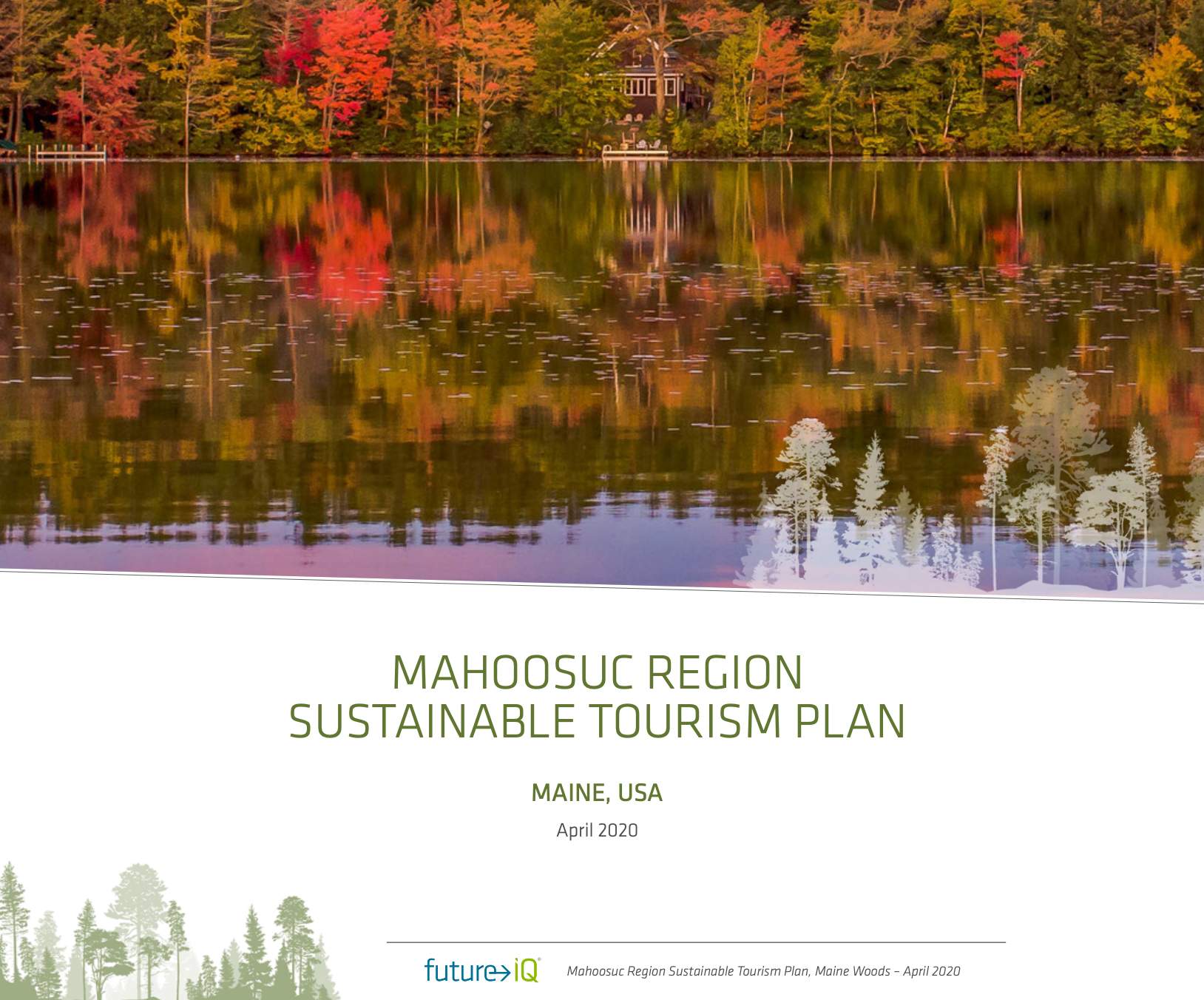
- Mahoosuc Sustainable Tourism Plan (Maine)
are strong examples of Destination Management and Stewardship plans.
This visioning is made difficult in unincorporated communities, where there are no land use regulations or limitations at all, as noted by Randy Carpenter, Project Director at Future West.
Harry Burkholder, Executive Director of Land Information Access Association (LIAA) at Main Street America, presents an overview of his organization’s work helping communities realize the potential of their outdoor recreation amenities, focusing particularly on how the Trail Town model can fit into a local economic development strategy and planning initiative.
Value Capture
Ensuring comprehensive value capture for communities is also critically important. This refers to maximizing the proportion of local economic activity that is retained in the community.

If folks go down trails and camp, but bring their own food and only buy gas, that has zero impact on the local economy. We want someone to be able to get off a trail and have an opportunity to spend money on music, arts and crafts, etc. so that they can stay a day or two and really invest in the visit. That means that the whole vision must be considered — make sure the trails connect to the overall quality of the visit. If you can get people off the trail right into downtown to buy lunch, visit a local outfitter, bring friends along and come back and spend several days/
nights on the trail, that sells it for us.
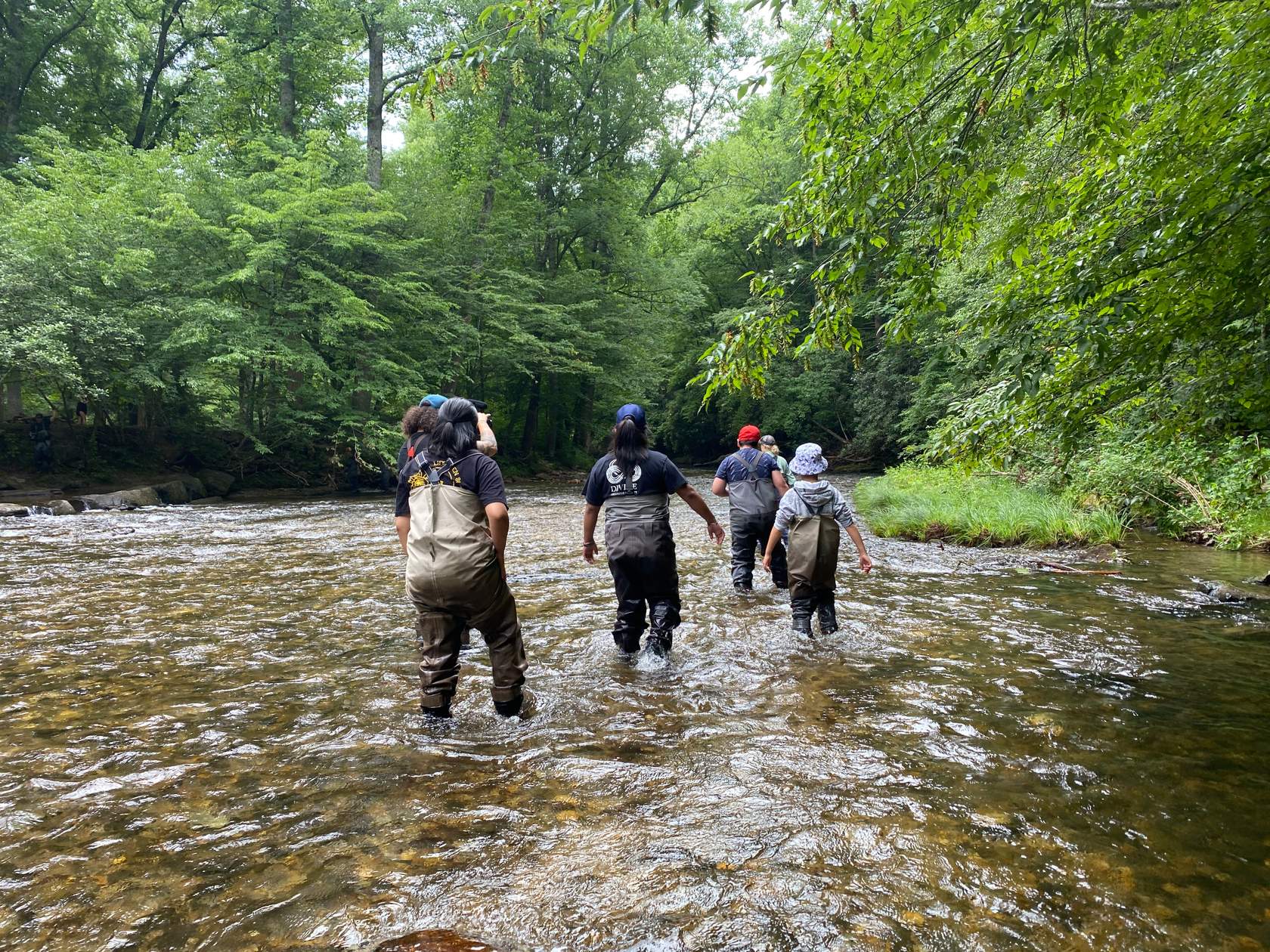
As Rural Support Partners, an NGO committed to empowering rural communities describes, in many rural areas "economic development has often led to profits for large, outside companies with little benefit to local people, businesses, and communities." Rural recreation economies can maximize value capture by considering the entirety of their value chain—the network of businesses, NGOs, and other partners who provide products and services in a market.
"Say you create a new trail system and attract visitors, how do you educate local businesses to create new opportunities and educate their lenders on the potential to capitalize them?
All that ancillary stuff you have to do to train people and capture value and locally rooted wealth is super important. You can’t stop at the infrastructure and marketing piece."
- Seth Brown, Former Vice President, Quantified Ventures
Kendra Briechle of the Conservation Fund looks at how rural communities are carrying out smart growth principles by investing in their downtowns, expanding transportation choices, creating economic opportunities and protecting the cultural and natural resources of rural landscapes.

It needs to be a holistic approach — are these places considering permitting and infrastructure for business administration? Is the rest of the value chain bought in and aware of the opportunity (e.g. hotels, restaurants, and other services to support)? If there are holes in the value chain, you won't capture all the money spent in communities.
Fiscal Policies
It should also be noted that fiscal policies like fees and tax structures can help communities better retain value from the use of their outdoor recreation resources.
In a 2020 essay Headwaters Economics notes that many rural, regional, and state economies with a legacy of natural resource abundance used windfall revenue from the development of those resources to lower other taxes. When the development of those resources tapered off, many communities no longer had a tax base to invest in new schools, roads, utilities, and city buildings. While increasing property taxes is not a wise policy to address this shortfall in regions where the cost of housing has skyrocketed, officials can consider shifting the tax burden to part-time residents or transient visitors, like overnight lodging taxes, sales and luxury taxes, tourism improvement district and real estate transfer taxes.
In the fee category, officials could consider strategies like an Ocean Stewardship Fee under recent consideration in Hawaii, in which all operators of commercial vessels, watercraft, or water sports equipment to collect a $1 fee from each passenger or customer served.

(Arkansas Tourism)
Corey Lilly, Former Director of Outdoor Economic Development for the City of Beckley, WV, has mapped a vision for value capture related to the structure and flow of users through an outdoor recreation ecosystem. He calls this approach Branding Infrastructure that Connects and Centralizes a User Group, or the BICC Model.
The BICC model prioritizes a flow of recreation visitors in a region through a central commerce hub before, during, or after their core recreation experience to maximize their interaction with the community and local business.

Bentonville, Arkansas has created the Oz Trails— they branded the trails (the infrastructure) first but also everything else under the same umbrella. Any town can do the same thing. They then thought bigger and connected the Razorback Greenway to connect several communities in Northwest Arkansas to Walmart HQ and other enjoyable places downtown to spend money. The genius of the Razorback Greenway is that the trail experience funnels its users back to a central hub for spending.
Establishing a Local Ethic
The degree to which businesses, organizations, and individuals within a community are aligned on recreation and visitations ethics and low-impact visitation can go a long way in ensuring that visitors and locals alike take care of the places in which they recreate.
For example, a variety of organizations in Jackson, WY, collaborate to ensure that all visitors to their treasured public lands and waters and local residents understand the components of being responsible stewards of the region.

The Teton Conservation District, Jackson Hole Land Trust, Teton County and Town of Jackson built a resource called the "Mountain Neighbor Handbook" which includes cultural and Indigenous history of the region, strategies to minimize impact on wildlife, homeowner advice, restoring native landscapes, managing invasive species, utilizing water efficiently, and many more. Visit Jackson Hole created a guide to responsible recreation targeted at visitors to the region.
The Jackson Hole Wildlife Foundation increases awareness of the diversity of wildlife in the region and strategies to minimize habitat impact and negative human-wildlife interactions.
The Jackson Hole Conservation Alliance manages a campaign called "Don't Poach the Powder" targeted at local recreationists to ensure adherence to winter wildlife closures.
Several partnering organizations developed a "Sustainability Code of Conduct" for the region.
The National Park Service carries out the objectives of its "Green Parks Plan" to ensure that the operations of Grand Teton and Yellowstone National Parks limit their impact on the surrounding community.
Shawn Real Bird, Executive Director at the Montana Indigenous Tourism Alliance, described how a deep level of attention to storytelling and interpretation could be utilized by Indigenous communities to ensure that visitors are respectful stewards of lands and waters.
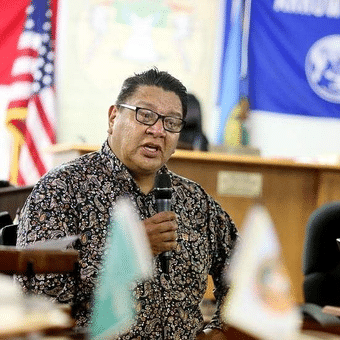
Our stories are passed down from family to family. To tell stories to visitors the right way, we need to bring in a particular tribe's cultural and historic committee, or point person who is well versed in their history and culture to provide seminars to a group of designated representatives on tribal history so that many people can deliver the message in the appropriate way. And we could have that cultural expert communicate to Native youth and college students on this story and work with them and provide, whether it could be future scholarship, could be employment, whatever it may be, but we could give them that opportunity and send that college student out there.
Final Advice: Get Clear on Metrics for Success
With these sentiments in mind, to ensure positive outcomes, a community should establish metrics to track its progress over time in meeting social, economic, and environmental objectives. These metrics might include:
Population numbers over time.
Degree of regional income inequality.
Degree of regional economic diversification.
Percentage of jobs or businesses owned and managed by traditionally underserved populations.
Percentage of outdoor recreation participation within the community by traditionally underserved populations.
Number of job openings in various segments of the economy.
Number of workforce education and skills training programs.
Wildlife-human conflicts.
Recreation closures due to use patterns or trash.
Number of new enterprises or startups.

It is important to not only have conversations at very meta levels of policy, but also around your table at night with your own family to get clear about your definition of success. What are indicators and metrics of success that will tell you that you are aligning with things that are most important? Then, be okay if what you identify has nothing to do with GDP. When narratives about your community are written by people who are not from your community, and are based on measures of success that were not developed by your community — be confident to speak up — and tell them what success looks like to you.