Concerns about environmental impact
Additionally, outdoor recreation economic development can at times come with resistance from groups concerned about the impacts of overuse on wildlife habitats and overall ecosystem health.
I'm concerned about the conservation implications of outdoor recreation and don't think enough attention has been given. Both economies (outdoor recreation and extraction) impact the natural environment. Some research has been done, but it's uncomfortable. There are indications that it can have really significant ecological impacts—maybe the impacts that are happening now are canaries in the coal mine.
These perspectives could be addressed by funding new research that studies the relationship between outdoor recreation and ecosystem health, with a particular focus on climate change, and involving the community in a plan for sustainable use. For example, future studies could examine scenarios where the impacts of climate change are more intense and outdoor recreation is minimally restrained, and use such research to create scientifically-informed sustainable recreation policy and regulations that balance human enjoyment with ecosystem health. In certain cases, overuse has warranted closure of public resources to allow the region to heal, as in Max Patch, North Carolina. This outcome could have been prevented with proactive efforts to limit impact from users (especially around fire and trash) and greater consideration of aggregate use over time.
Conservation and outdoor recreation interests have also historically worked hand in hand by uniting around the ecosystem services of protected land, including wildlife habitat, carbon sequestration, groundwater recharge, clean water, runoff yield, and agricultural use. The outdoor recreation community should elevate these benefits when reaching out to conservation partners.
There is also an unfortunate legacy of Tribal leaders being left out or excluded from visioning strategies for outdoor recreation development within a region, leading to use patterns out of alignment with traditional values and concerns that outdoor recreation is another form of extraction on land and water. As referenced earlier in the toolkit, Tribal members should be involved as part of visioning and planning from the beginning to ensure that development strategies are culturally and environmentally sensitive.

As the outdoor industry continues to grow exponentially, we face the challenges of balance between stewardship and sustainability with economic vitality and land management. The best way to achieve this is through shared stewardship efforts between local, state, and federal agencies. The hard work in management endeavors for OREC education and responsibility is supreme once everyone is on the same page, resources are shared, and timelines are cut in half!

Principles to Manage User Conflict from the Society of Outdoor Recreation Professionals
With more people than ever before seeking access to the outdoors, popular recreation destinations can be more susceptible to user conflicts.
According to the Society of Outdoor Recreation Professionals, user conflicts have been found to relate to activity style, focus of trip, expectations, attitudes toward and perceptions of the environment, level of tolerance for others, and different norms held by different users.
They suggest the following list of principles to manage user conflict.
Recognize conflict as goal interference
- Prioritize respect for other users.
- Provide education on the area/trail's purpose and intended uses.
- Share the trail—a universal yield symbol is a powerful tool.
Ensure consistency across landscapes
- Use an interdisciplinary approach to balance recreation opportunities with the environmental and cultural resource protection.
- Use an all-lands approach to work with other agencies, adjacent landowners, and communities on providing a full suite of recreation opportunities.
Provide adequate trail opportunities
- Provide opportunities for a variety of uses and experiences.
- Manage to control use and provide access at designated areas.
- Identify and retain environmentally sensitive areas.
- Provide recognizable and easily understood markings.
Involve users as early and often as possible
- Identify existing and future users and desired conditions.
- Engage users early in the planning process for existing & proposed activities.
- Involve users in education, maintenance, and stewardship.
Minimize the number of contacts in problem areas
- Design & manage the facility with trail/road networks to meet desired conditions.
- Plan for the intended uses (aligned with desired conditions) early in the design phase & process; design with stewardship, resilience, and maintenance in mind.
- Develop loop trails to link people to key areas and avoid sensitive areas.
Understand user needs
- Provide adequate customer information; keep users informed of closures, maintenance projects, hazards, events, etc.
- Use conflict as an opportunity to build and strengthen constituencies.
Identify the actual source of the conflict
- Identify where the problem exists – get to the root of the problem.
- Higher demand for recreation opportunities, requires consistent management and monitoring.
Promote trail etiquette
- Sponsor responsible trail behavior using educational materials, signage, volunteers and other users, and workshops.
- Provide information and materials on trail etiquette and responsible recreation outfitters, retailers, and user groups to promote shared stewardship.
Encourage positive interaction among different users
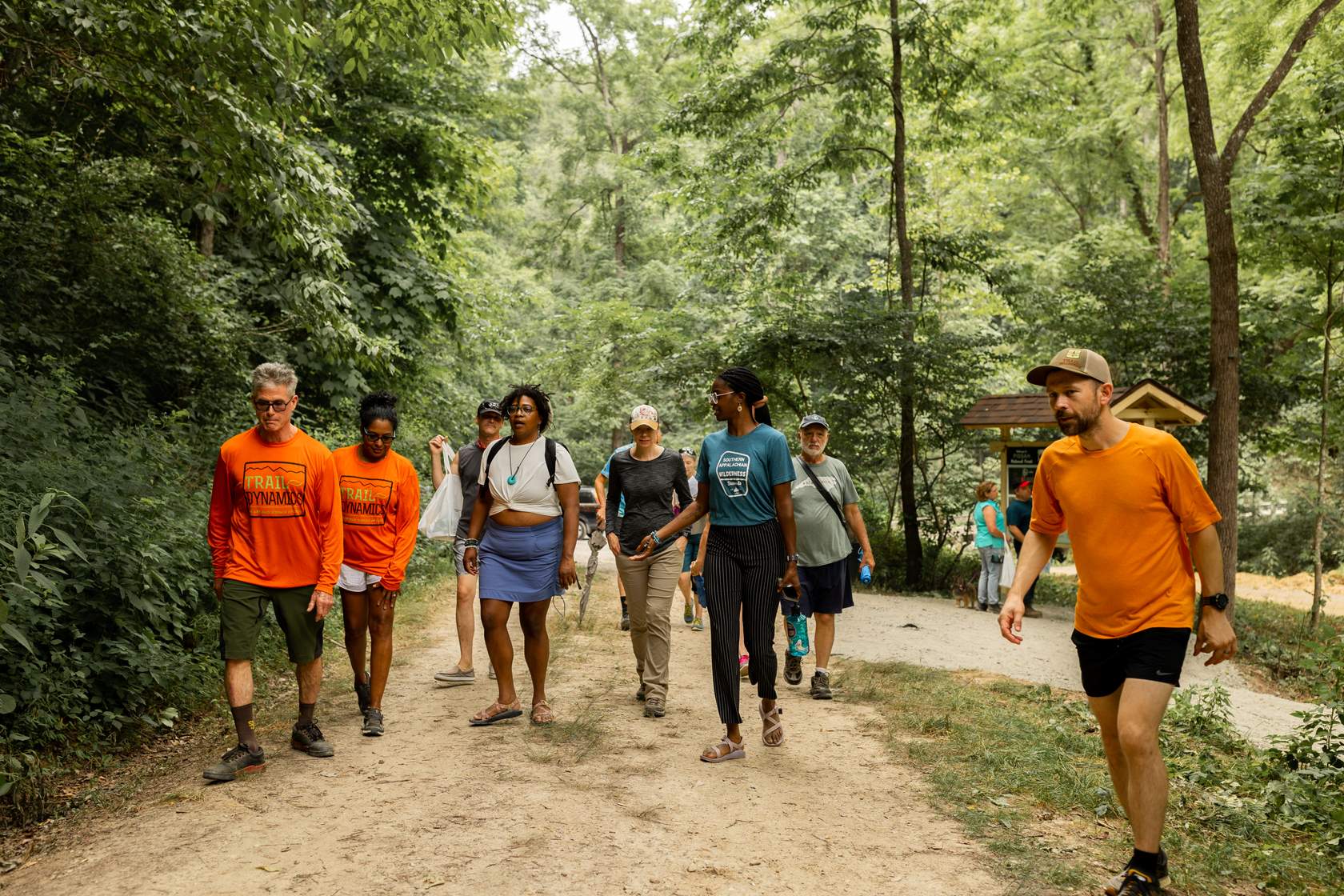
- Build and strengthen an understanding and cooperative effort among user groups.
- Involve affected users early if conflict arises for specific issues.
Monitor progress and get feedback
- Monitor effectiveness of decisions made and see if conflicts are reduced.
- Have a clear understanding of agreed upon desired conditions and management strategies.
- Receive feedback from users, staff, volunteers, and partners.
Respect for the natural resources and the environment
- Instill a high-quality land ethic & sense of stewardship.
- Promote responsible recreation and user ethics such as Leave No Trace and Tread Lightly!
1 of 12
Omero Torres, Acting Deputy Forest Supervisor of El Yunque National Forest, shared an example of managing user conflict from a prior stint in USFS outside Prescott, Arizona. Prescott is a big retiree community with the Prescott National Forest right outside the doorstep.
On a trail network that featured numerous intersections and blind corners, there were a few horse/mountain biking incidents that gained local prominence and raised questions of whether to close trails to biking or have separate days for different user groups. Both user groups wanted to avoid this outcome, and came together in a working session to talk about how to make trails safer and created a trail safety committee.
The committee identified that they would start hosting trail etiquette sessions at more popular trailheads, improving signage at trailheads and on trails, and improving trail maintenance for better line of sight. In certain areas, small trail re-routes were utilized, as well as control points to encourage reduced speeds for MTB. While user conflicts are difficult to avoid altogether, these solutions generated in part by user groups at the table reduced the need for further regulation.

Tread Lightly
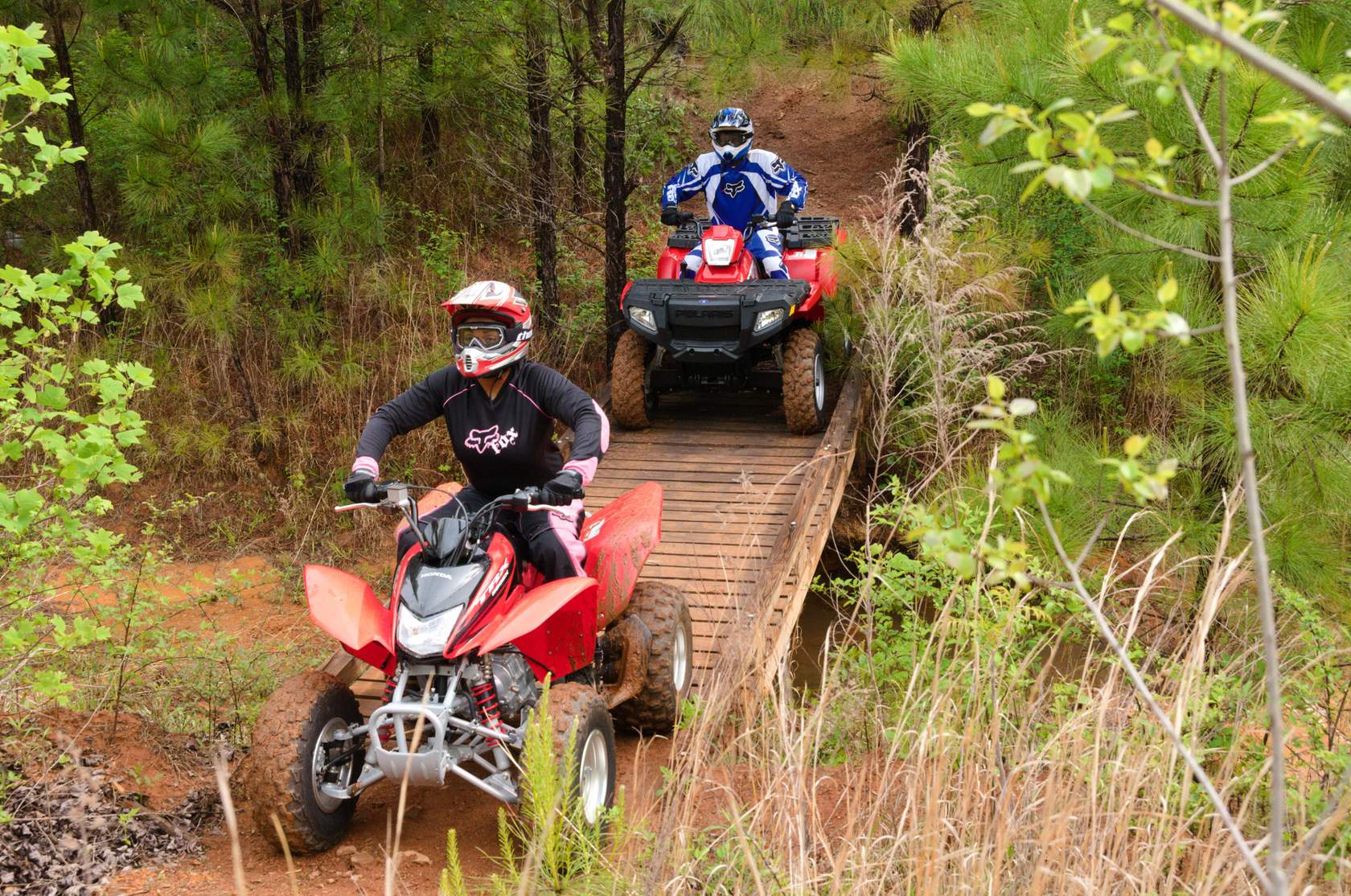
Tread Lightly! is a non-profit organization that leads a national initiative to promote the responsible use of motorized vehicles when recreating outdoors. Their website includes a set of principles and tips for motorized users to reduce their impact in the outdoors.
There is a lot of talk about carrying capacity, over use, and degradation of values from too much or too intense outdoor recreation – and it is true that both resource and experiential values do have real constraints. It is also true that there are more tools in the toolbox than simply limiting demand. If we can limit demand we can also increase the supply of recreation resources. We can manage our resources and experiences to be more resistant to and resilient in the face of impacts. We can change behaviors to be less impactful.
In doing all of this, we can also remember that those of us making these decisions are often the environmental 1% and challenge ourselves to expand our understanding of what good and right human-nature relationships are like, stimulating progress while preserving the core.