In this section:
- Value proposition for businesses
- Examples of state-based investments
- Support for tribal businesses
- Supporting entrepreneurs
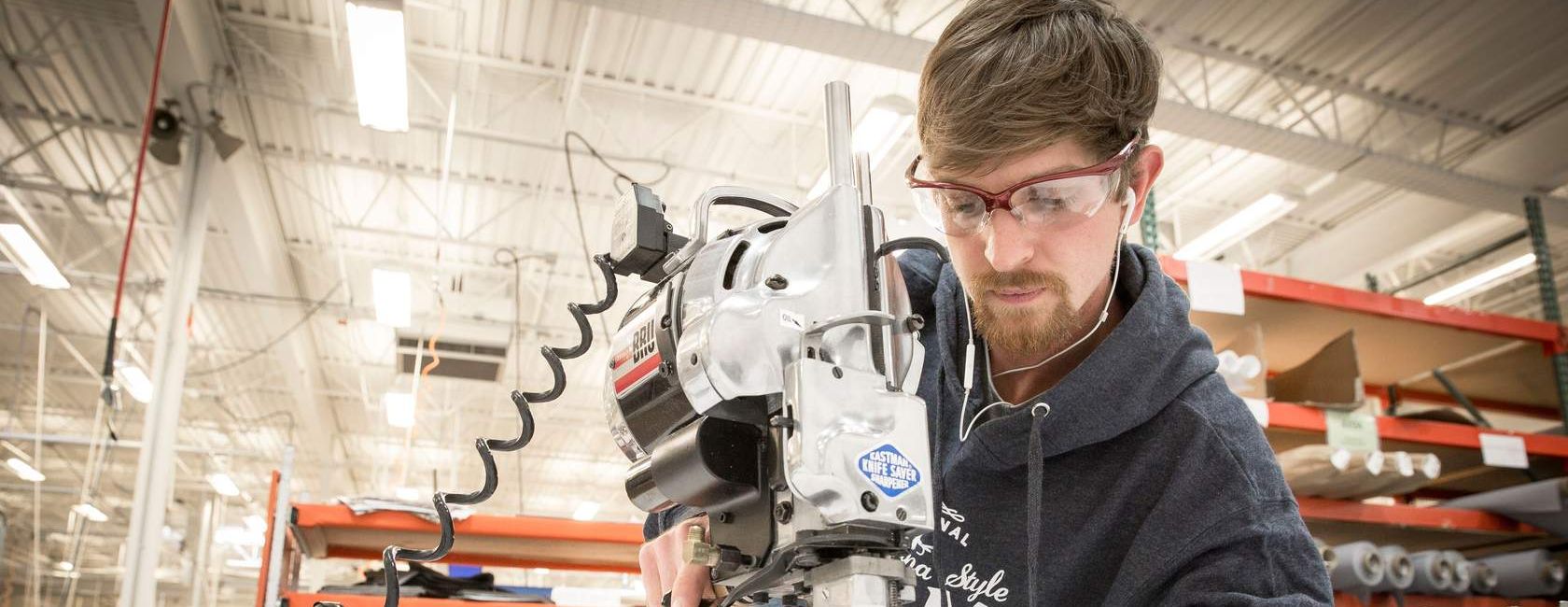
Finally, states and communities can incentivize economic growth with programs that attract new outdoor recreation manufacturing and business development.

When working with companies and entrepreneurs, create a strong value proposition, such as relatable local access to the outdoors for their specific industry sector, and look for ways to address their barriers to growth.
Outdoor recreation-focused programs can be a win-win for both parties: a state benefits from increased production and economic activity within its borders, and companies improve quality of life for employees by locating near outdoor recreation assets, which improves prospects for recruitment and retention.
Companies can also build authenticity around their product and brand by designing and testing on nearby public lands.
The communities adjacent to outdoor recreation opportunities should be top of mind for any outdoor brand because they are the gateway through which their customer base flows. A lot of outdoor companies do manufacturing and product development in-house and want to be near training grounds and end-users for their products.
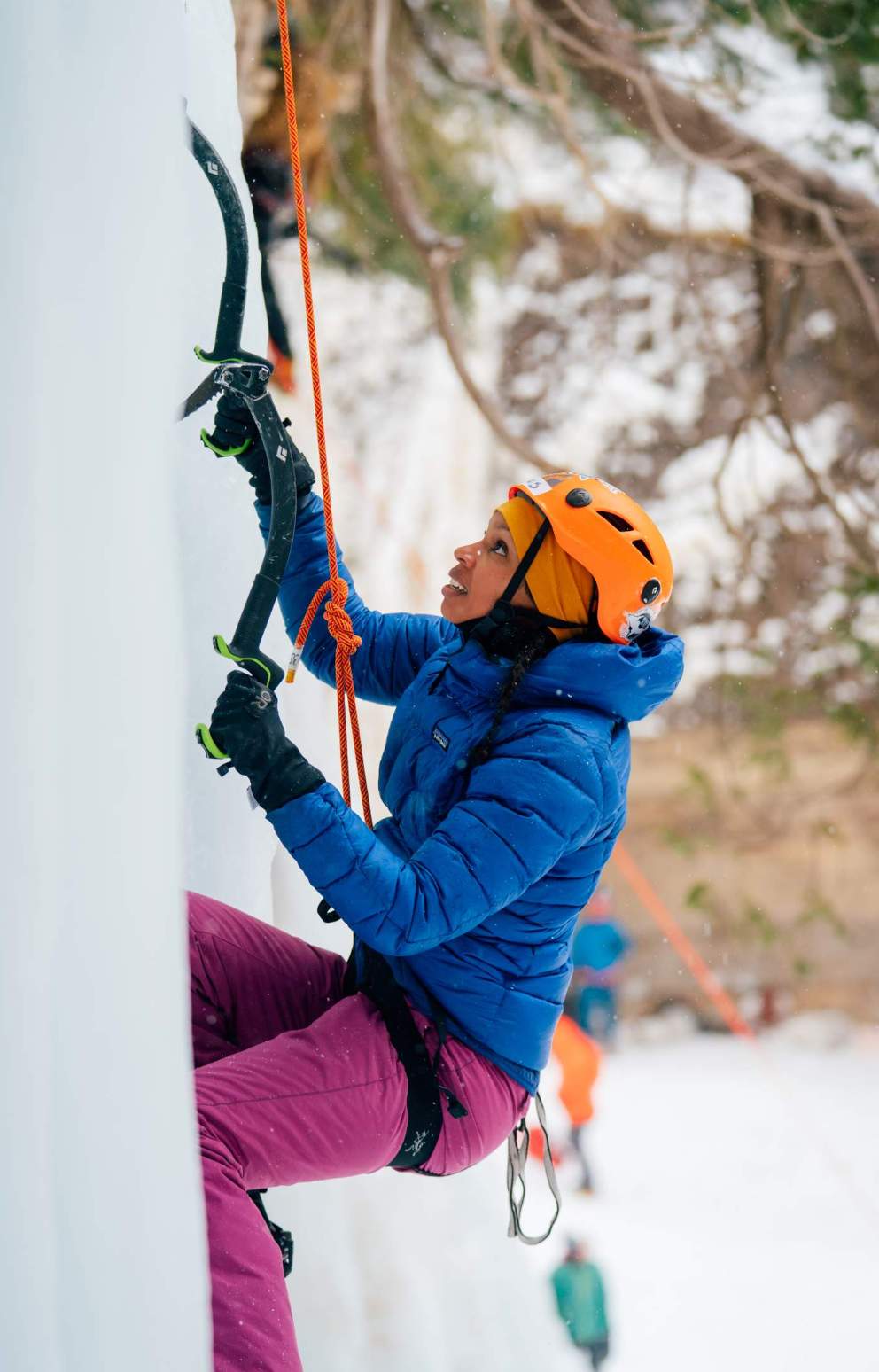
To achieve these outcomes, interviewees recommended that community leaders lean on the expertise and resources of state and local economic development agencies for guidance. State-based business development programs could include:
- Job incentives
- Tax incentives
- Opportunity zone enhancement programs
- Micro-manufacturing hubs
- Grants, loans, and forgivable assistance to companies
- Outdoor recreation degrees (land management, business administration or outdoor product design and development) in state universities
- Increased data gathering on the value of outdoor recreation at the state, county, and town levels
- State-level outdoor economy conferences (like this from Arkansas) to bring together outdoor business interests in one place
The potential for outdoor recreation to take hold as a viable economic strategy is impeded by the perception that it tends to create low-wage jobs. The programs above can dispel this notion by helping to create and highlight a mix of job opportunities across the pay spectrum.
"The good thing about outdoor rec job creation compared to other strategies is that there is no terrible trade off like dirty air, truck traffic, or loss of open space.
Additionally, the kind of development we see in Pennsylvania on interstate highways around logistics/trucking is happening because of macroeconomic factors outside the locality. In reality the economy is driving those decisions in ways they can’t really influence locally. Community leaders can control how outdoor rec develops in ways they can’t with other big factors."
- Silas Chamberlin, Vice President for Economic Development, York County Economic Alliance and Founder, Firefly Outdoor + Economics
Advice: Supporting Tribal Businesses with State Programs
One of the biggest disadvantages for Indian businesses is a lack of equity. To support small tribal businesses, Montana developed programs called Indian Equity Fund Small Business Grant and Tribal Tourism Grant. The Small Business Grant was the first of its kind in the country, and we can provide up to $14,000 per business on each reservation to be utilized as a down payment. The Tribal Tourism Grant can provide up to $50,000 for technical assistance, marketing, and research.
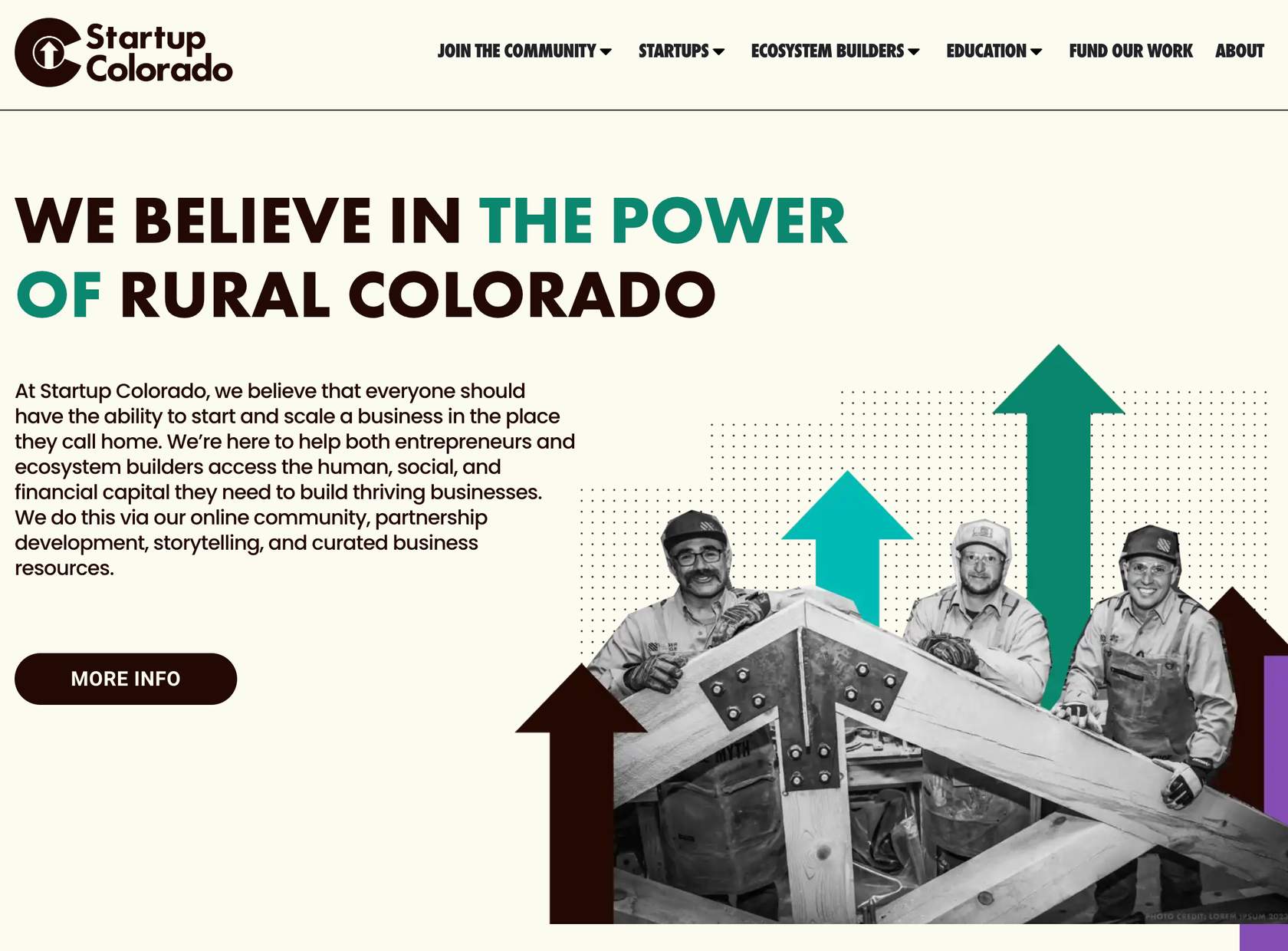
Entrepreneurs are core to the outdoor ecosystem and require specific support and services to get fledgling businesses off the ground. Many states have effective programs to support entrepreneurship, including Startup Colorado, which supports rural entrepreneurs and ecosystem builders in 53 rural counties across Colorado. Utah's Governor's Office of Economic Opportunity also has a portfolio of programs to support entrepreneurs and startups in the State, aiming to defend its title as the "Startup State." Importantly, as mentioned earlier in this toolkit, many of these industry-agnostic programs require further education to understand the fast-growing outdoor recreation economy and the needs of outdoor businesses and consumers alike.
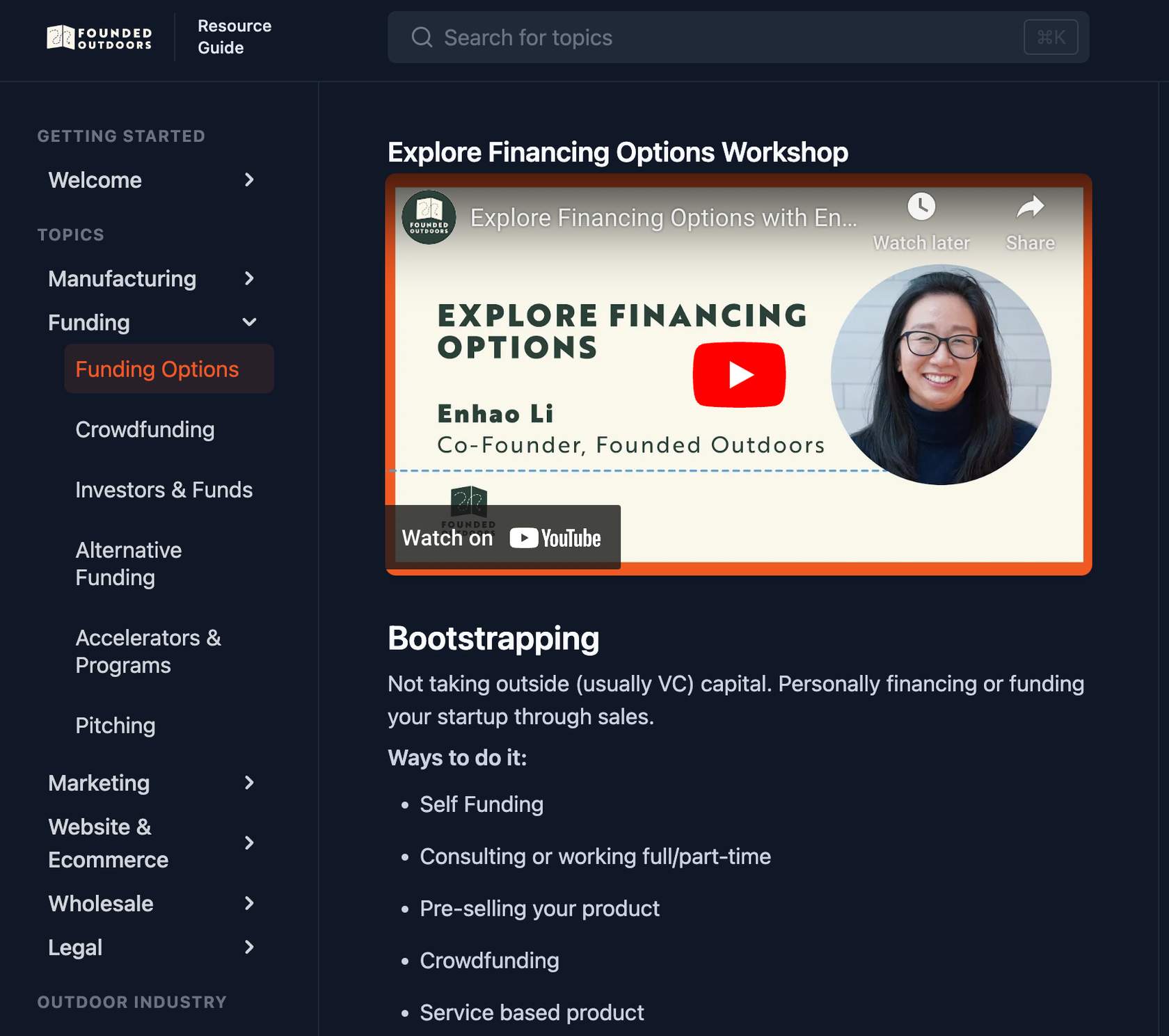
A new free online community called Founded Outdoors provides a space to connect with other outdoor business owners, get feedback on products and services, and build momentum to move outdoor businesses forward. Founded Outdoors offers online peer groups, resource guides, and experienced entrepreneurs and domain experts for mentorship.
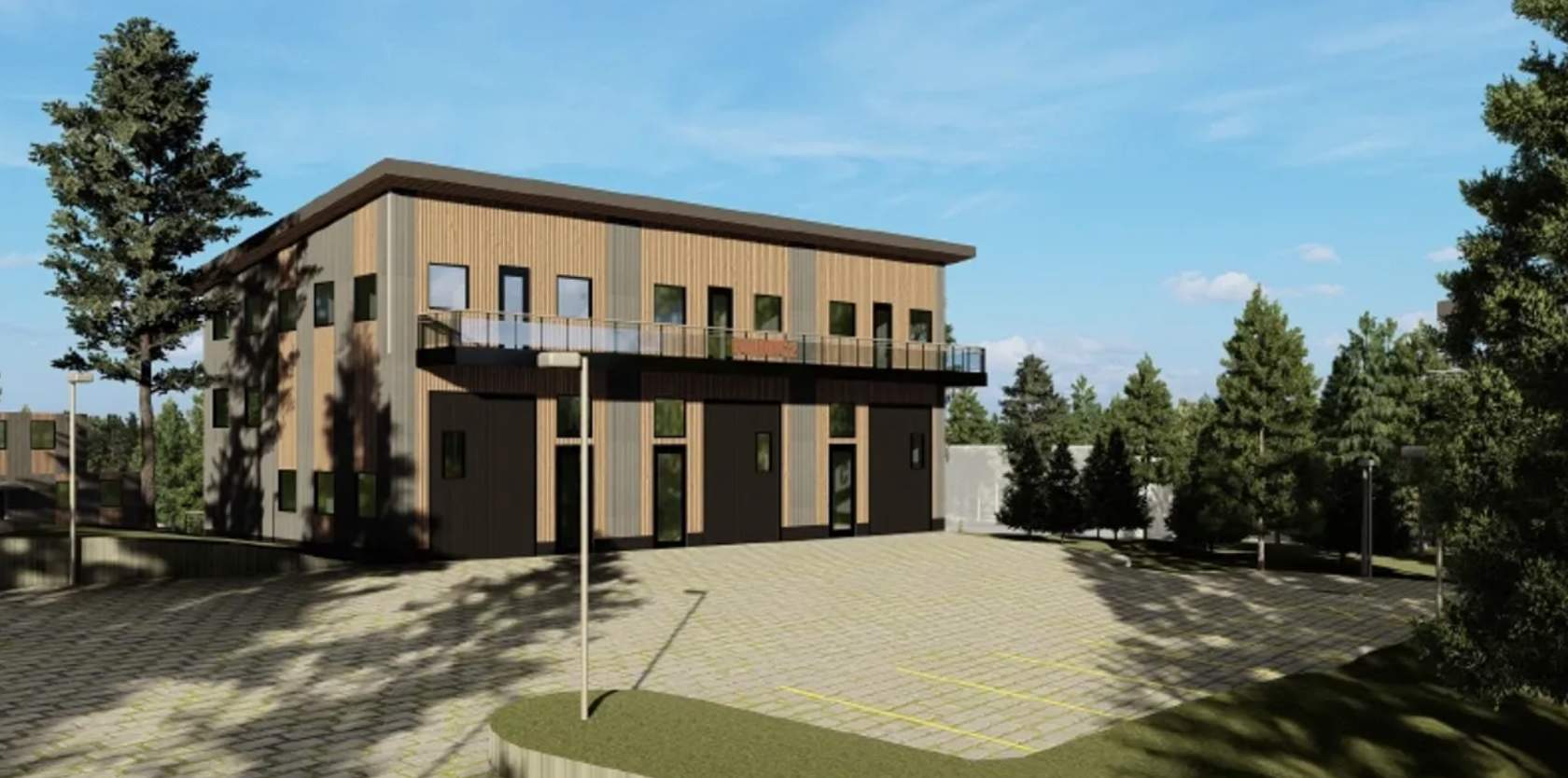
Michigan's Shophouse Park takes business support one step further, building a technology park, research and development center, and outdoor recreation incubator on 40,000 square feet in Northern Marquette. The Park will include live, work, and research and development space to serve the outdoor recreation and mobility industries. The project is essentially a commercial, residential, and industrial campus where forest meets factory.
Mountain BizWorks envisions a thriving Western North Carolina in which small business owners and aspiring entrepreneurs have access to the resources needed to make their dreams a reality—a region where collaboration, creativity, innovation, and investment generate opportunity and prosperity for all.
Mountain BizWorks provides business loans and coaching to emerging and established small businesses in Western North Carolina. They have a particular focus on working with businesses unable to access financing from banks and other traditional sources, as well as low-income, rural, people of color, women, and immigrant entrepreneurs, and businesses that operate within the local food system.
When it comes to building a thriving outdoor recreation economy, everyone sees the many benefits associated with getting outside to play. They often forget the numerous job/
careers benefits of the outdoor industry. Communities should create an entrepreneurial culture to support the launch and growth of outdoor recreation businesses. The size of the community isn’t the limiting factor when it comes to outdoor recreation businesses. It’s whether or not a community is committed to do everything possible to ensure the success of their local outdoor recreation companies.
Tara McKee, Associate Director of the Utah Division of Outdoor Recreation, noted that communities do need to follow a certain order of operations before they can successfully attract businesses:

Once a rural community has good basic services, enough medical care, and teachers in the schools, THEN you can attract the workers needed for outdoor product businesses to thrive (thinking especially about the skills needed for good R & D). A community can have retailers, and guides and outfitters in the community first. But it is like crafting an ombre layer cake: it needs a certain order.
Distribution Networks
Additionally, communities should consider the distribution network that businesses are entering. Convenient and affordable access to interstate, rail, and local airports tends to be an important consideration for outdoor businesses, though rural communities are often de-prioritized in considerations of transportation network development.

Large parts of Michigan are encountering significant challenges related to air service that are impacting their ability to sustain and grow business, population, and tourism. Small regional airports have lost flights and connections that were and are vital to ensuring access to other parts of the state or country.
At EDCUtah, the Business Development team (which works to attract new businesses) works closely with the Community Strategy team on recruitment and retention of new companies and helps bridge relationships with individual communities and their goals for growth. A research team supports both teams with demographic and economic data to shape unique approaches with various communities.
Meanwhile, staff for a different program called 'Know the Customer' conduct frequent interviews with executives and site leads to get their feedback on doing business across the state. Utah also has a state program called 'Development Ready Communities', which shares various benchmarks and milestones which economic developers within communities can use to strengthen economic development strategies.
There are site selection consultants to work with large companies on growth strategies and sustainable opportunities. We want to help communities understand how to market their communities to site selection consultants, or how to respond to RFIs. We want communities to understand that a company might need 20 thousand square feet of space to manufacture skis — why should they choose your community over others?
The North Carolina Office of Outdoor Recreation Industry is supported by four organizations that make outdoor gear manufacturing more attractive in North Carolina.

The Economic Development Partnership of North Carolina (EDPNC) “is focused on recruiting new businesses to the state, supporting the needs of existing businesses, connecting exporters to global customers, helping small business owners get their start, and attracting tourists and visitors from all over the world."
In pursuit of sustainable job-creation and investment in North Carolina, the EDPNC works closely with public- and private-sector partners at the state, regional and local levels. As a nonprofit public-private partnership, the EDPNC operates under contract with the North Carolina Department of Commerce, while receiving additional financial support from the private sector.
Outdoor Gear Builders is a 40+ member organization of Western North Carolina-based companies "collaborating to share talents, encourage new ideas, and inspire each other." They work to attract companies to move and/or start in Western North Carolina by showcasing the region, products, and businesses through engaging media, and "creating a forum of usable sources to find new materials, fresh ideas, and answers to North Carolina’s Outdoor Recreation Manufacturing Ecosystem problems." This forum allows them to more easily quantify the impact of their work for interested stakeholders: Outdoor Gear Builders members have provided 760 jobs region-wide, and over $8,000,000 in local sourcing of materials and contracts within WNC.
In addition, the Growing Outdoors Partnership, which formed through a nearly $1 million grant from the Appalachian Regional Commission's POWER Initiative, works to expand and support the outdoor recreation industry across the Appalachian region of North Carolina, through five main focus areas: Workforce & Outdoor Careers; Entrepreneurship & Access to Capital; Growing Markets; Connecting the Industry; and Economic Development.
Finally, the North Carolina Outdoor Recreation Coalition, whose members include manufacturers, retailers, guide companies, and conservation NGOs, exists to advocate on behalf of the outdoor recreation industry at the North Carolina General Assembly and within executive agencies.
In combination, these four organizations help provide and sustain a business-friendly climate on the ground for local manufacturers and build recognition for North Carolina as a hub for outdoor recreation businesses, locals, and visitors alike.
Last Advice: Building a Regional Outdoor Recreation Identity

In the PA Wilds we are taking an entrepreneurial ecosystem approach to growing this sector, which focuses heavily on growing and supporting local businesses and includes building marketplaces to help get local products and services to market. "Intentional, market-based approaches like this, that systematically drive visitor dollars and other investment towards hyper-local businesses and organizations, help counter the macro forces we’ve seen gut rural communities across Appalachia and America and are critical to helping rural landscapes leverage their outdoor economies for rooted local and regional wealth generation.