In this section:
- Building state partnerships
- Advice for connecting with state officials
- Tribal investments
- Strategies to insert outdoor recreation into existing vehicles
- State Offices of Outdoor Recreation
While local passion and stakeholder group formation help serve as the spark for planning, several interviewees cited the importance of buy-in from their state to ensure the long-term sustainability of outdoor recreation economies.
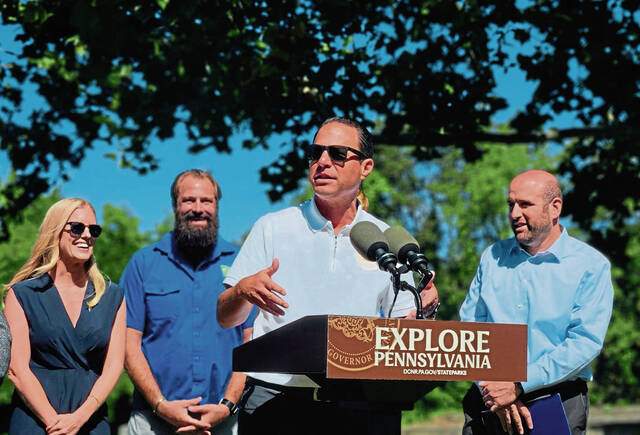
The collaboration between the state Department of Conservation and Natural Resources, the state Department of Community and Economic Development and local communities was critical to our initiative getting lift-off. Twenty years in, public-private partnerships are still at the heart of how we operate.
Frequent cooperation between state and local stakeholders helps ensure coordination between the region's public lands and stewardship goals and the state's economic and community development programs.
Outcomes of this partnership could be built infrastructure (as in the case of destination conservation/heritage visitor centers in the PA Wilds), new policy and grant programs (as in the Utah Outdoor Recreation Grant, Great Outdoors Colorado grant portfolio, Nevada Outdoor Recreation and Education Grant, New Mexico Outdoor Equity Fund, or Washington Wildlife and Recreation Fund), or dedicated state offices to train rural communities.
Advice: Be a Familiar Face
Building momentum with state partners can take significant, high-value effort from local officials to show up in person.
Sometimes it's a 4.5-hour drive to Salt Lake City, but I show up. I think it's important to go to meetings in person (if possible), and not call in. The governor knows my face and voice, as do legislators, the lieutenant governor, and staff. That level of familiarity makes all the difference.
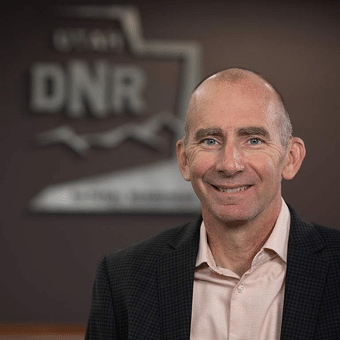
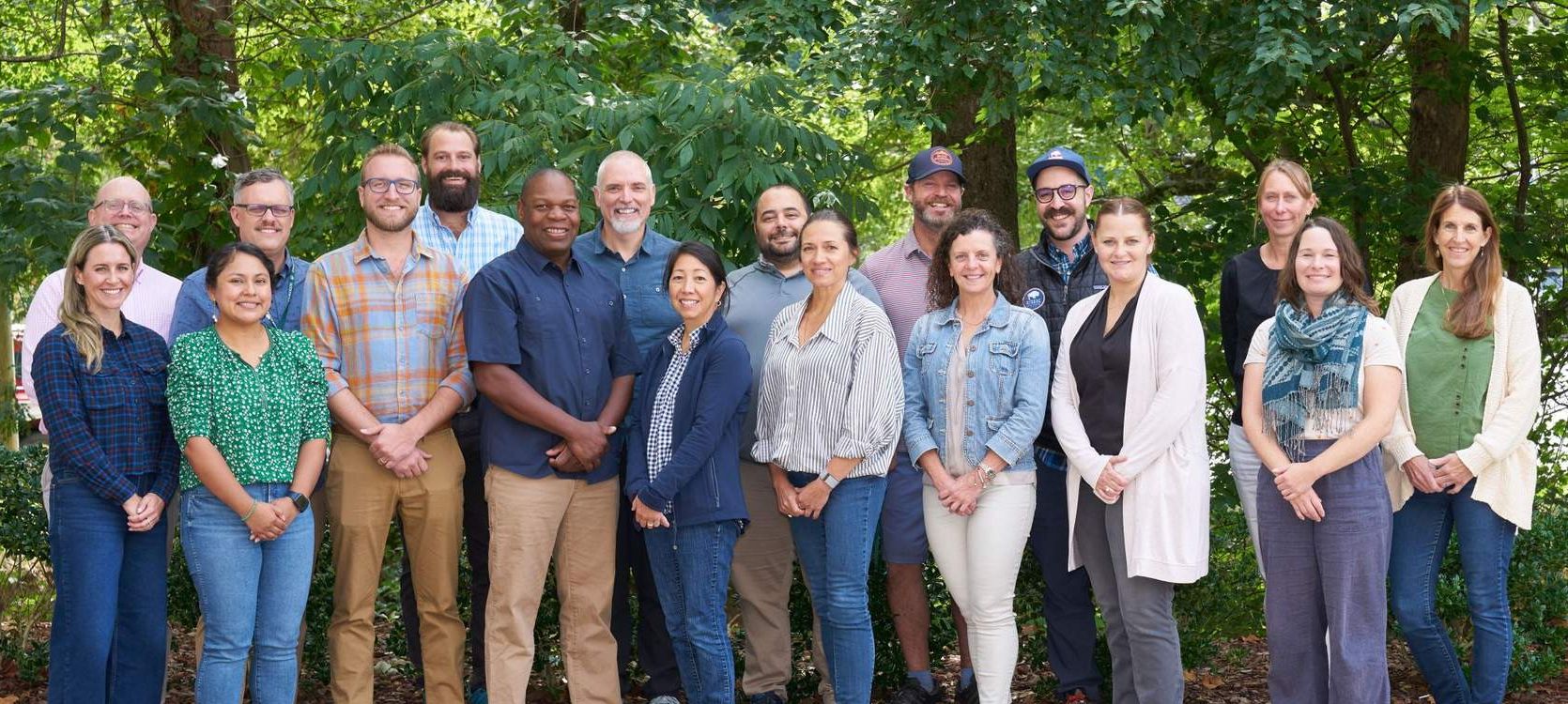
Field tours for local and state government officials can get them in the mindset to really see the value of that trail, park, or other project you're advocating for. Be persistent and grow your coalition from the inside out.
Achieving this buy-in can be a challenging task if a state has limited fluency with the benefits of outdoor recreation or expresses reluctance to commit to a relatively newer strategy for economic development. One interviewee also noted the need to gain traction for outdoor recreation priorities with workforce investment boards, who direct federal, state, and local funding to workforce development programs.
State-level outdoor economy conferences, like in Utah, Arkansas, Maine, Alaska, Michigan, North Carolina, and many others, have emerged as a smart opportunity to bring state-level partners together in the same place to illustrate and educate on the impact of the outdoor recreation economy.
"It’s imperative to secure buy-in from the state and elected officials. If such buy-in already exists, celebrate and promote it.
If not, begin the journey to educate elected officials and their constituents about the benefits of a thriving OR economy. It’s okay to start small; the momentum for ongoing support will build over time."
- James Glover, Once a Day Marketing, LLC
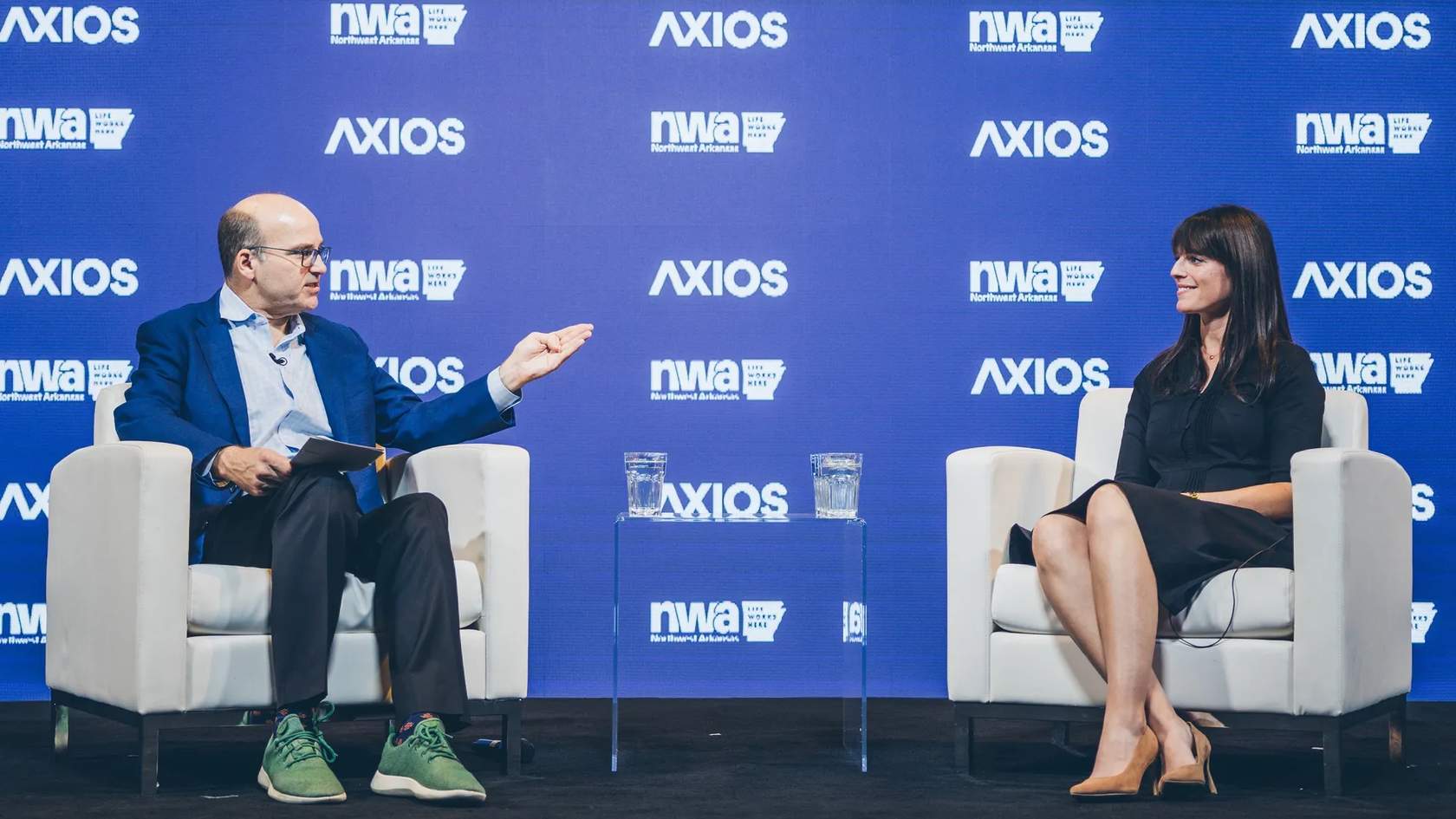
The media can be an effective partner in building buy-in and momentum to a community's economic development objectives.
One interviewee cited the value of getting attention from a relevant member of Congress through media coverage, events, and Letters to the Editor to help draw attention from local, state, and/or federal land management officials toward a certain project or opportunity.
In the Confluence of States' Guidebook to Developing Offices of Outdoor Recreation, as well as recent Education Series event, they outline strategies to resonate effectively with media on outdoor recreation stories.
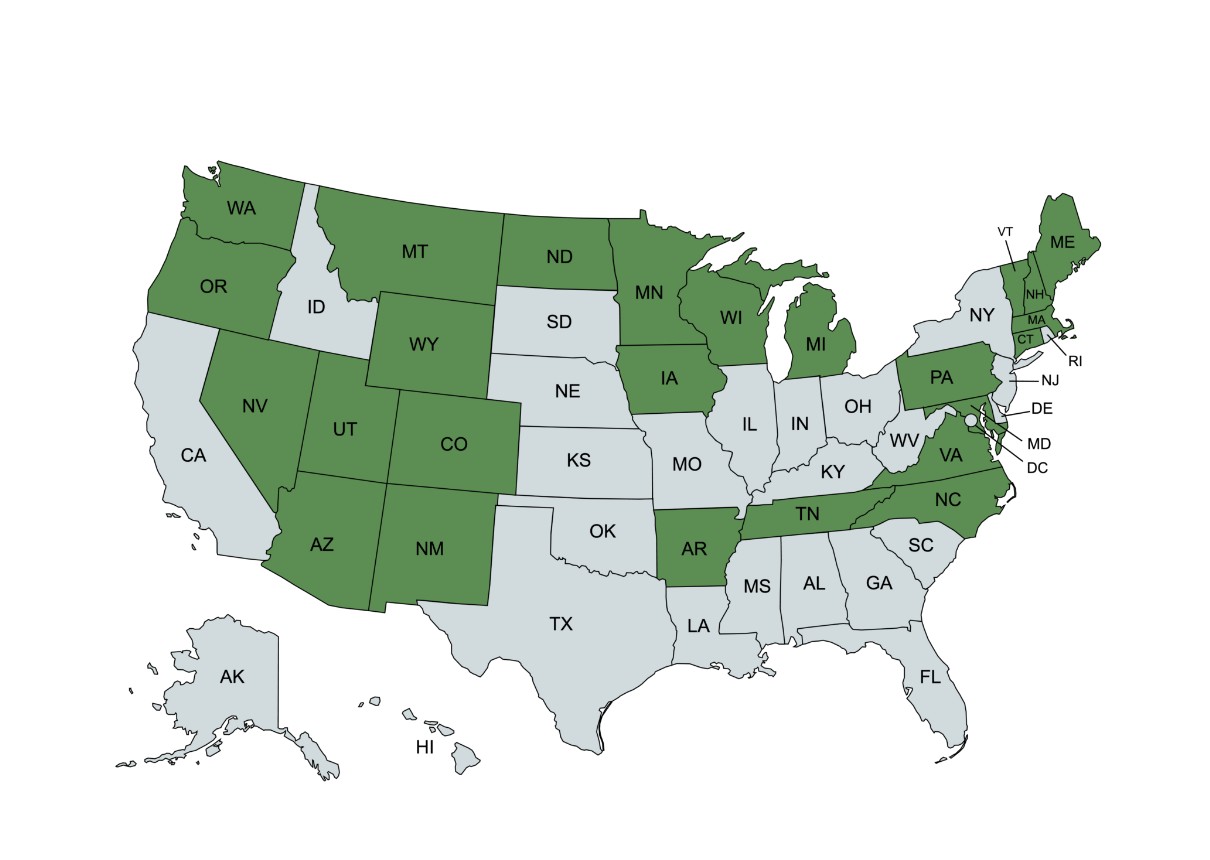
25 states across the country have now created State Offices of Outdoor Recreation to help guide their state's outdoor recreation economy development efforts and invest in communities seeking to grow around and invest in outdoor recreation infrastructure. Learn more about the structure and function of these offices at the ORR website, check out the map below (updated June 2026) to see if your state has an office, and visit the Confluence of States to see what these offices have been up to recently.
In June 2026, Iowa became the 25th state to establish an office of outdoor recreation, through an executive order signed by Governor Kim Reynolds. According to the governor's office, outdoor recreation contributes nearly $6 billion annually to Iowa's economy.
In September 2026, Pennsylvania reported that its outdoor recreation economy had grown by 21 percent under the Shapiro Administration, adding 12,000 jobs and increasing wages by nearly 25 percent. In 2024, outdoor recreation contributed $20.4 billion to the Commonwealth's GDP and supported more than 177,000 jobs.
States are also building out their offices' leadership. In September 2026, Virginia Governor Abigail Spanberger created the role of Director of Outdoor Recreation by executive directive and appointed Heather Barrar. Iowa hired Lora Friest as Program Manager of its new Office of Outdoor Recreation, and Justine Cucchiara now directs the Tennessee Office of Outdoor Recreation.
This resource, developed by the Confluence of States in partnership with Outdoor Recreation Roundtable and Outdoor Industry Association and supported by The VF Foundation and REI co-op, provides an overview of the structure and function of state offices of recreation.
This resource, developed by the Confluence of States in partnership with Outdoor Recreation Roundtable, Outdoor Industry Association, The VF Foundation and REI co-op, describes strategies employed by State Offices of Outdoor Recreation to help build robust outdoor recreation economies for their states and rural communities.
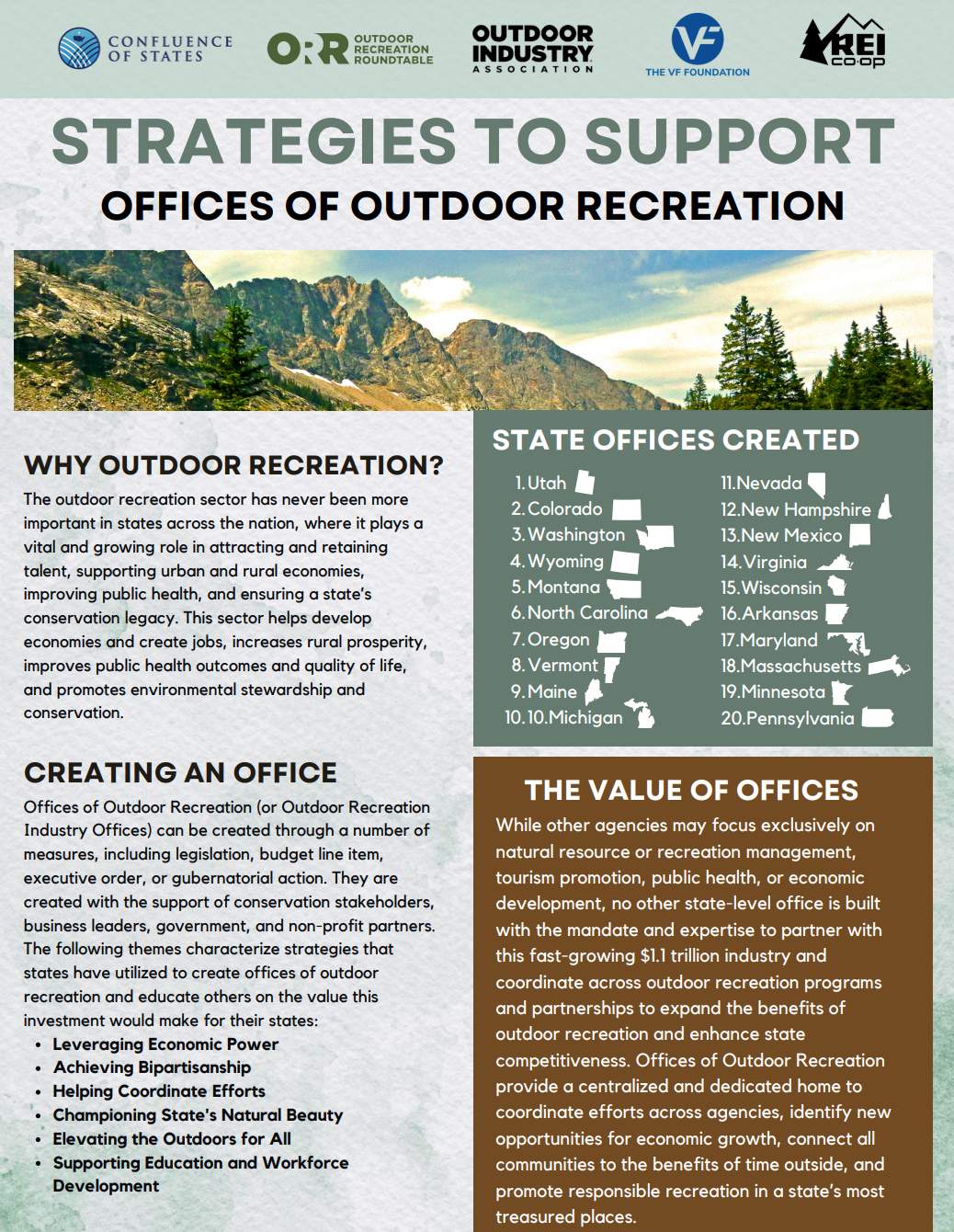
This resource, built by the Confluence of States in partnership with Outdoor Recreation Roundtable, Outdoor Industry Association, The VF Foundation and REI co-op, describes strategies employed by advocates to create offices of outdoor recreation in their states.
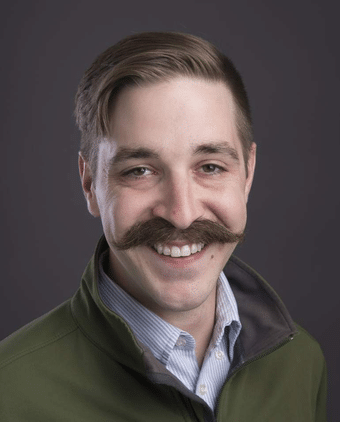
It’s critical for our office to maintain a grass roots approach, that we show up in communities to listen and to champion their best ideas. It’s challenging to get all the right people in the room, and even harder to keep them there through the life of the project. Staffing shortages and stakeholders serving on details elsewhere have highlighted the importance of our office as the group to intentionally coordinate these efforts to continue to move the needle on outdoor recreation as an economic driver in our state.
Creating State-Level Outdoor Infrastructure and Access Programs
In recognition of the importance of their outdoor recreation economies, many states have established funding mechanisms to build new outdoor infrastructure and access. From a 2022 report from the National Conference of State Legislatures, on the infrastructure side, examples include:
- Great Outdoors Colorado has invested over $1.3 billion in lottery revenues to fund 5,500 projects in all of the state’s 64 counties.
- The “Keep Colorado Wild Pass” is an opt-out purchase of a state parks pass included for $29 when residents register a vehicle (SB 249).
- Georgia's Outdoor Stewardship Act, passed in 2018, sets aside up to 80% of state sales tax revenue from purchases at outdoor recreation stores to fund land conservation, trail improvements and restoration.
- Michigan’s Natural Resources Trust Fund relies on royalties from the sale and lease of state-owned oil, gas and mineral rights.
- Utah imposed a state transient room tax of 0.32% (HB 264) on rentals of lodging accommodations that are less than 30 consecutive days. Revenue is deposited in the outdoor recreation grant fund.
More recent examples of state investment include:
- Connecticut: In October 2026, Governor Ned Lamont announced approximately $10.5 million in grants for 50 projects through the Connecticut Recreational Trails Grant Program.
- Michigan: In Jackson County, the Jackson County Chamber of Commerce is developing a county-wide outdoor recreation strategy, supported by a $100,000 grant from the state Department of Labor and Economic Opportunity announced in September 2026.
- West Virginia: In September 2026, Governor Patrick Morrisey announced approximately $19.725 million in upgrades across West Virginia state parks, including $9.725 million from the state's FY27 budget surplus and $10 million in projects proposed through the West Virginia State Parks Endowment Fund Board.
- Utah: In June 2026, the Utah Outdoor Recreation Grant program awarded $19.2 million to 81 projects. Its required match follows a county-based sliding scale that drops to 20 percent in rural counties, in-kind donations count toward the match, and Mini Grants of $5,000 to $30,000 give smaller applicants a way in.
- Wyoming: In July 2026, the new Outdoor Recreation and Tourism Trust Fund, funded through the statewide lodging tax, awarded $1,920,714 to 21 small projects in its first round. It had received 86 applications requesting more than $10.5 million. Tribal nations and nonprofits can apply directly.
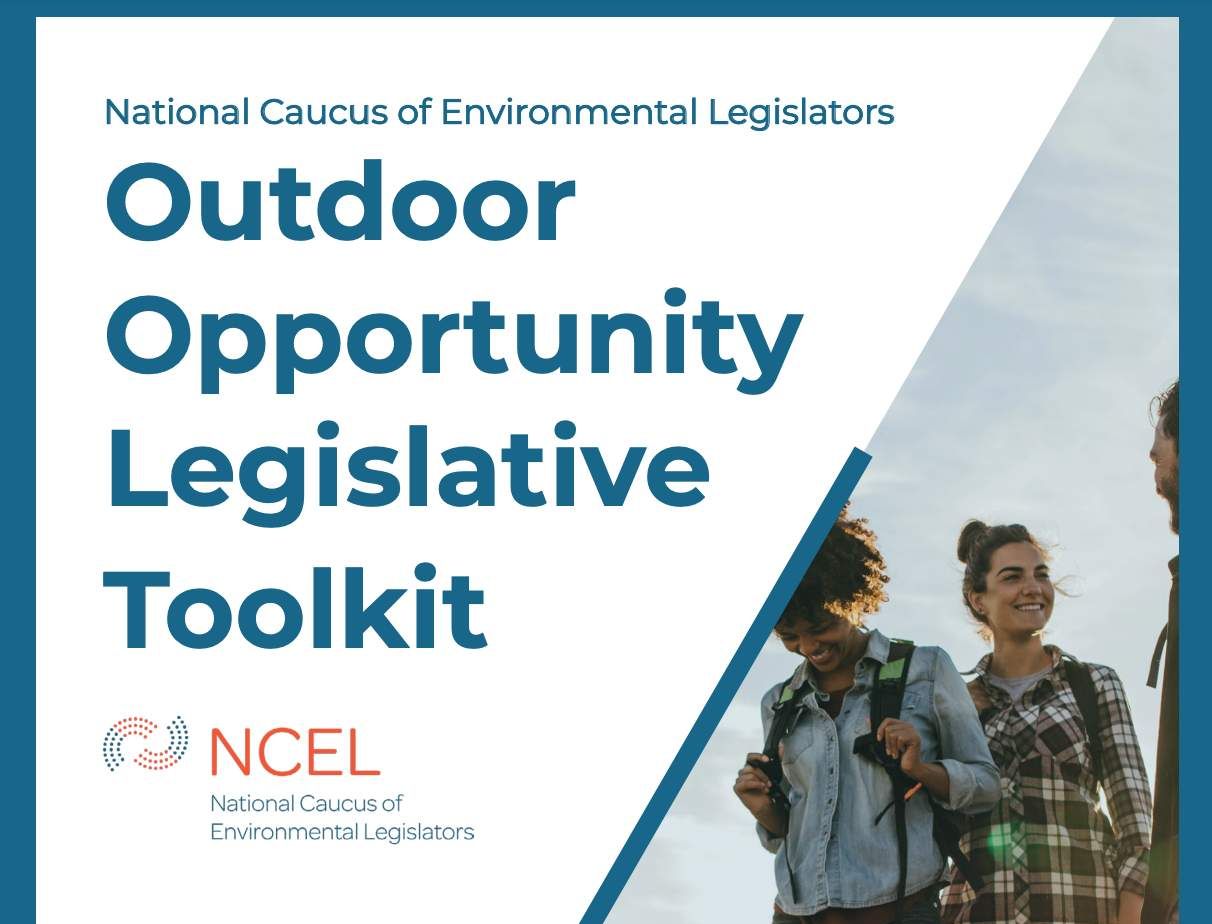
On the access side, several states have established "outdoor opportunity program" programs to grant organizations that help various communities access the outdoors. In a 2023 report from the National Caucus of Environmental Legislators, they provide examples of some of these programs from around the country:
Support from State Parks Departments
Other avenues for support include state parks departments, whose park managers, superintendents, and staff often have close ties to rural communities, and understand their challenges and specific needs.
Park staff work to build relationships with a wide array of stakeholders, including community members, volunteers, and non-profits such as youth conservation corps in developing resources within parks, augmenting programming, and increasing economic development potential.
Incorporating Economic Development Objectives into SCORPs
Additionally, states (like Arizona, Montana, Nevada, Florida, and Georgia) are beginning to re-write their Statewide Comprehensive Outdoor Recreation Plans (SCORPs) with emphasis on public health and economic development so that future grant applications resonate with a broader range of elected officials. These SCORPs are used to guide state departments of conservation and natural resources on outdoor recreation priorities and are necessary to qualify for Land and Water Conservation Fund (LWCF) grants. Check out what every state's SCORP is prioritizing at this new SCORP Comparison Report developed in partnership between the Confluence of States and Society of Outdoor Recreation Professionals.
Private Land Policies
Recreation advocates may consider policy opportunities to promote outdoor recreation enterprises on private land. For example, in October 2022, the Chaffee County, Colorado Board of County Commissioners passed into law first-of-its-kind regulations to give landowners the chance to host low-impact camping on their properties without needing to go through an expensive and time-consuming permitting process.
Importantly, the law builds a stronger coalition by giving farmers and ranchers the chance to benefit financially from the fast-growing outdoor recreation industry. Since the law passed, many other counties are following suit and are reviewing their own camping policies, including Santa Cruz and Mendocino counties in California, among others. This blog post from the Utah State University Gateway and Natural Amenity Region (G.N.A.R.) Initiative shares more.
American Prairie is also working to assemble a 5,000 square-mile ecosystem that incorporates the extraordinary habitat diversity of northeast Montana by assembling a patchwork of land ownership that incorporates private landowners providing conservation and recreation access via easement.
Advice: Building State Influence among Tribes
Shawn Real Bird of the Montana Indigenous Tourism Alliance shared advice for tribal leaders around the nation to gain support from state-level entities:
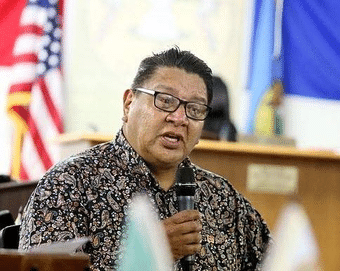
My advice for tribes is to have each tribe in a region submit a resolution on behalf of their tribal councils with goals for tourism and outdoor recreation on their reservations, and that they will work and collaborate with each other to assist, support, and raise the bar for tourism and outdoor recreation in Indian country. Because if we don't communicate it, we don't force (the state) to support or to step up.
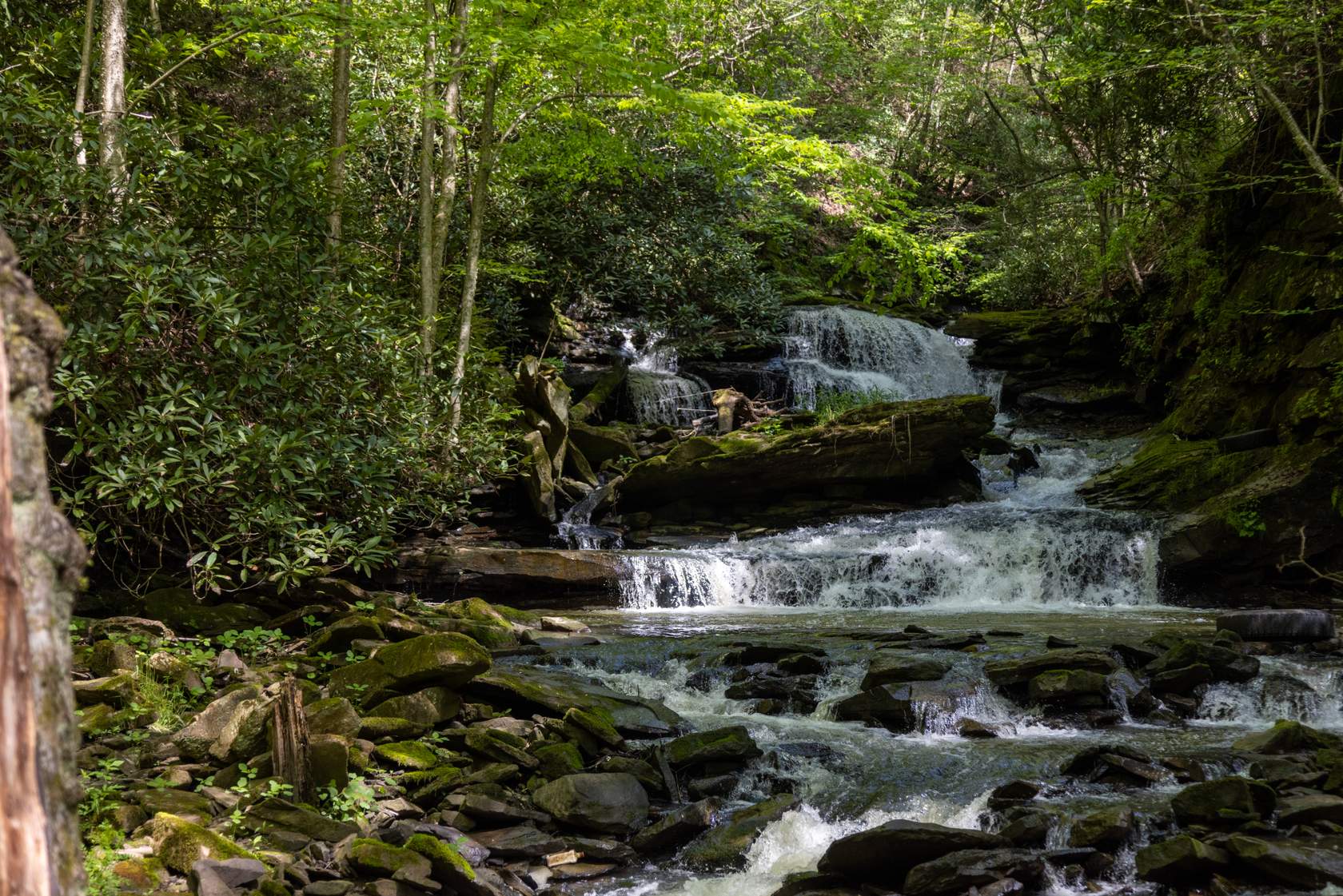
Among states, West Virginia is notable for the number of state-level programs in place to nurture and support the development of its outdoor recreation economy. This section is dedicated to outlining some of those programs, and how they have been achieved.
West Virginia is well-positioned to be a leader in economic development through outdoor recreation. Outdoor recreation opportunities are plentiful across the state, including the highest density of whitewater rivers in the U.S., world-class rock-climbing destinations such as the New River Gorge and Seneca Rocks, and the Hatfield-McCoy Off-Road Vehicle (ORV) trail system, which attract thousands of users each year. In addition, public lands near communities ensure the opportunity to increase access for everyone while providing economic potential for local businesses. With these assets in mind, state leaders, particularly at West Virginia University, have elevated and accelerated a "mountains to main street" value proposition for talent attraction, retention, and business development.
The state’s history helps explain this prioritization of outdoor recreation over time. Over the past 71 years, West Virginia has faced a significant population loss of 12% due to a combination of brain drain and a lack of inward migration. Coupled with the imbalance between death and birth rates, along with an aging population, these trends have challenged the state's growth and prosperity.
When a state loses population, it erodes the economic and social fabric of communities. With talent and quality of life replacing tax incentives as the driving decision for businesses and people on where to locate and live, we must address our outward migration head-on. Our talent, communities, and the outdoors are the most powerful economic drivers that we, as a state, must leverage. Our approach builds on all three.
Creating a strategic competitive advantage
Recognizing the potential of the outdoor economy to address these challenges, West Virginia's leaders at a local and state level began envisioning a brighter future for the state. West Virginia aimed to create a strategic competitive advantage through successive collaborations over time between the West Virginia Tourism Office, West Virginia University, U.S. Forest Service, State Parks, State Forests, land conservation groups, and other local partners, whose core competencies laid the foundation for an outdoor economic ecosystem.
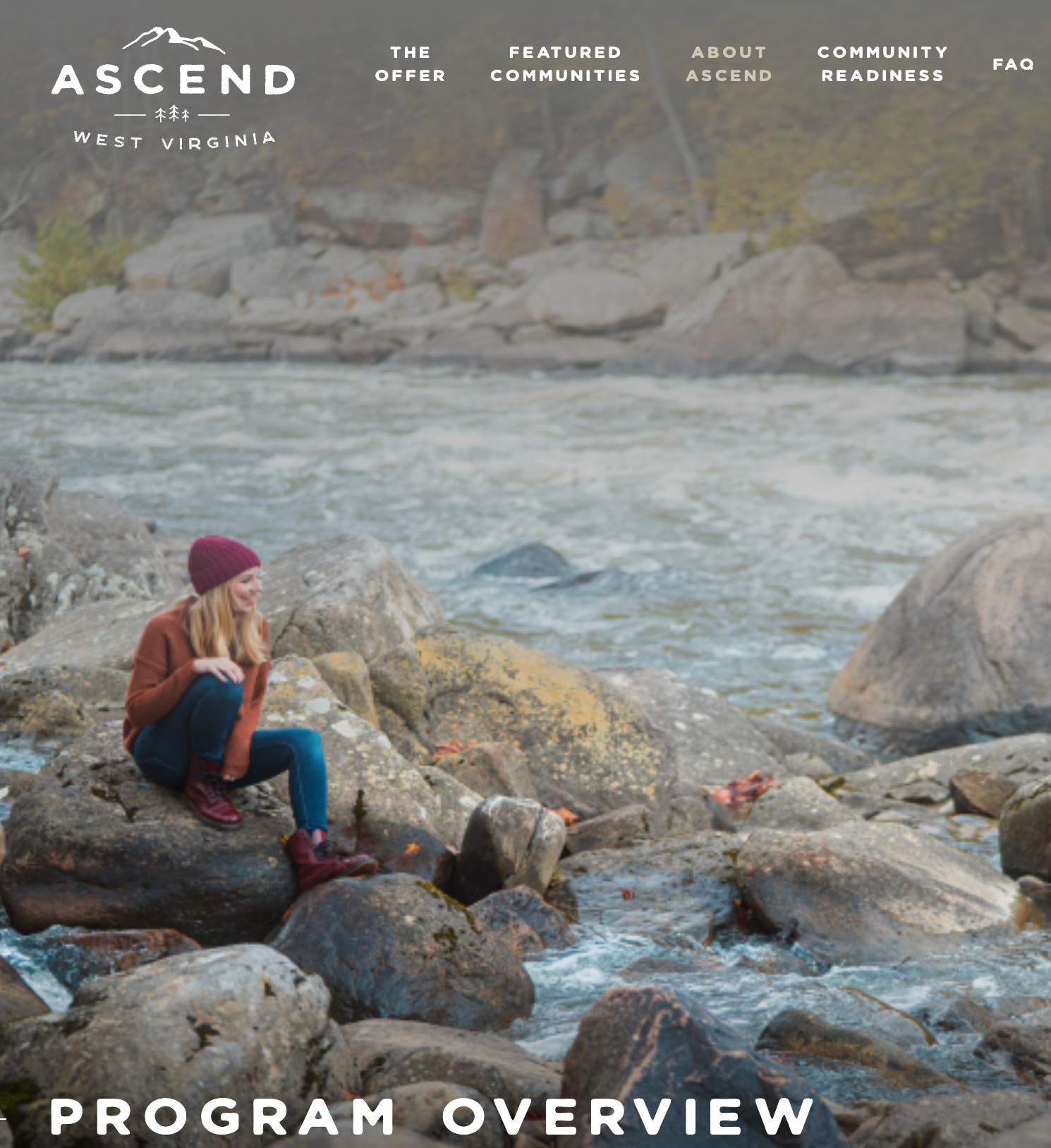
One of those key products developed in partnership between West Virginia University with West Virginia Tourism is Ascend WV, a widely-recognized talent attraction and retention program focusing on recruiting remote workers via an offer of $12,000 cash, free gear rentals, professional development, and coworking space for participants. Program leaders recently shared that the program has received 42,000 applications for 1,000 slots and generated $580 million for the state.
Ascend WV was followed by the First Ascent program, a groundbreaking two-year program designed to propel recent graduates of WVU and Marshall University into successful remote and hybrid careers. First Ascent is poised to further position the state as a hub for remote workers while driving economic growth and building resilient communities for young professionals to live, work, and play.
In recent years, regional partnerships have also received emphasis to expand expertise and capacity among key partners like WVU Extension, New River Gorge Regional Development Authority, and Mon Forest Towns. The goal of these regional partnerships is to foster collaboration among stakeholders to maximize the impact of outdoor initiatives. To gain buy-in from local and state partners, including legislators, leaders like Danny Twilley and his team are employing the following strategies and tactics:
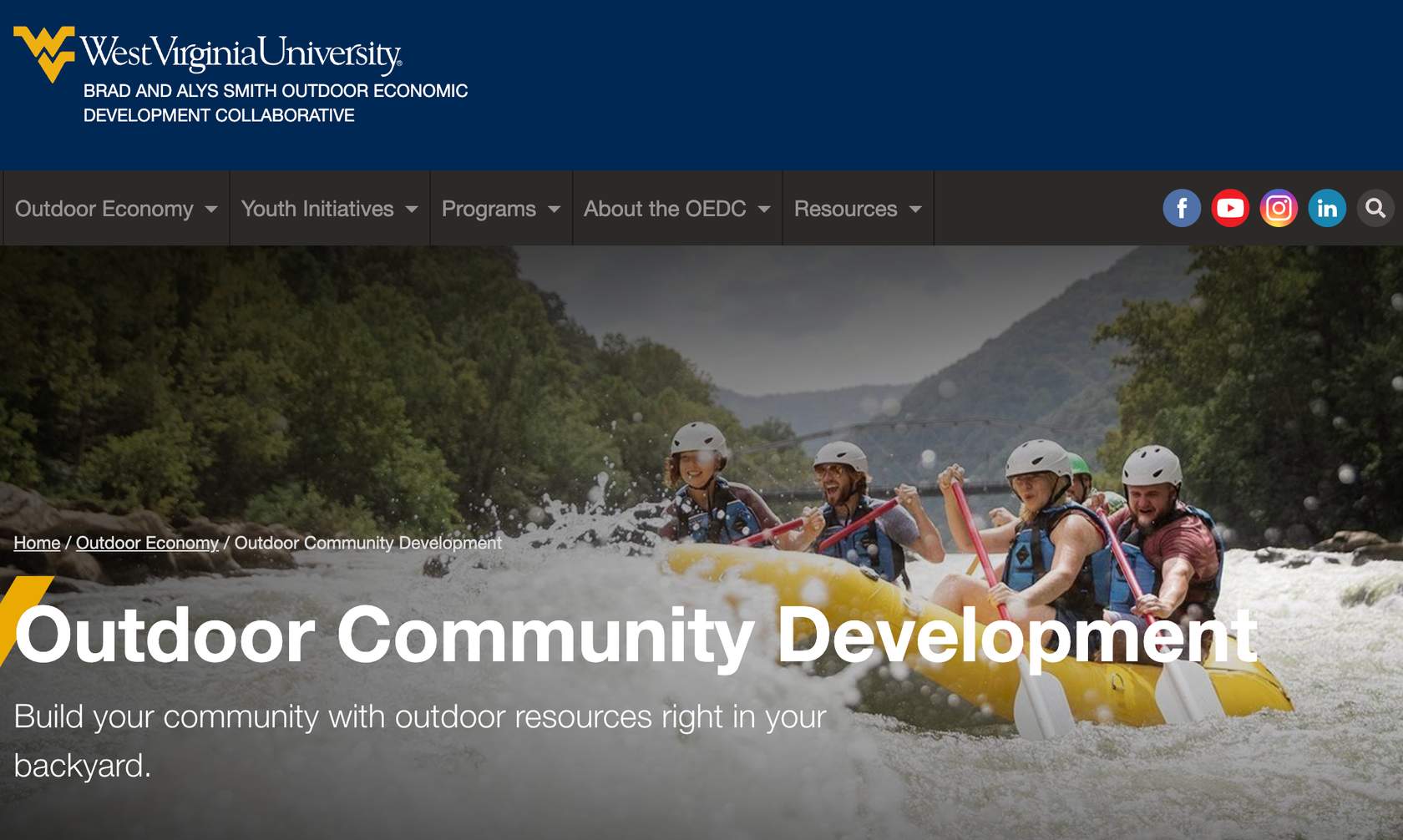
- Targeted and focused outdoor infrastructure projects with local, state, and federal agencies to show proof in concept on the ground, model best practices, and demonstrate impact.
- Leveraging data and storytelling to educate and inform local and state partners of the opportunities and challenges of growing WV's outdoor economy.
- Providing expanded capacity, subject matter expertise, and technical assistance to partners to better support them in aligning resources, capital, and impact assessment to continue doing the work.
- Developing the Community-Driven Outdoor Recreation Economies (C.O.R.E.) Initiative, with focus areas including:
- Support the development of an outdoor business alliance in West Virginia.
- Advance local organizations through capacity building and strategic planning support.
- Protecting the investment in outdoor infrastructure by developing and deploying a mobile trail stewardship and maintenance training program across the state.
"The Collaborative is positioning the state’s assets, using data, in the framework of the outdoor economy which allows us to align the work with economic development priorities to solve state challenges and accelerate growth in areas like tourism.
When you align the impact of the outdoor economy to solve real challenges and accelerate strategic priorities you achieve buy-in at all levels."
- Danny Twilley, Associate Vice President of Economic, Community, and Asset Development, Brad and Alys Smith Outdoor Economic Development Collaborative
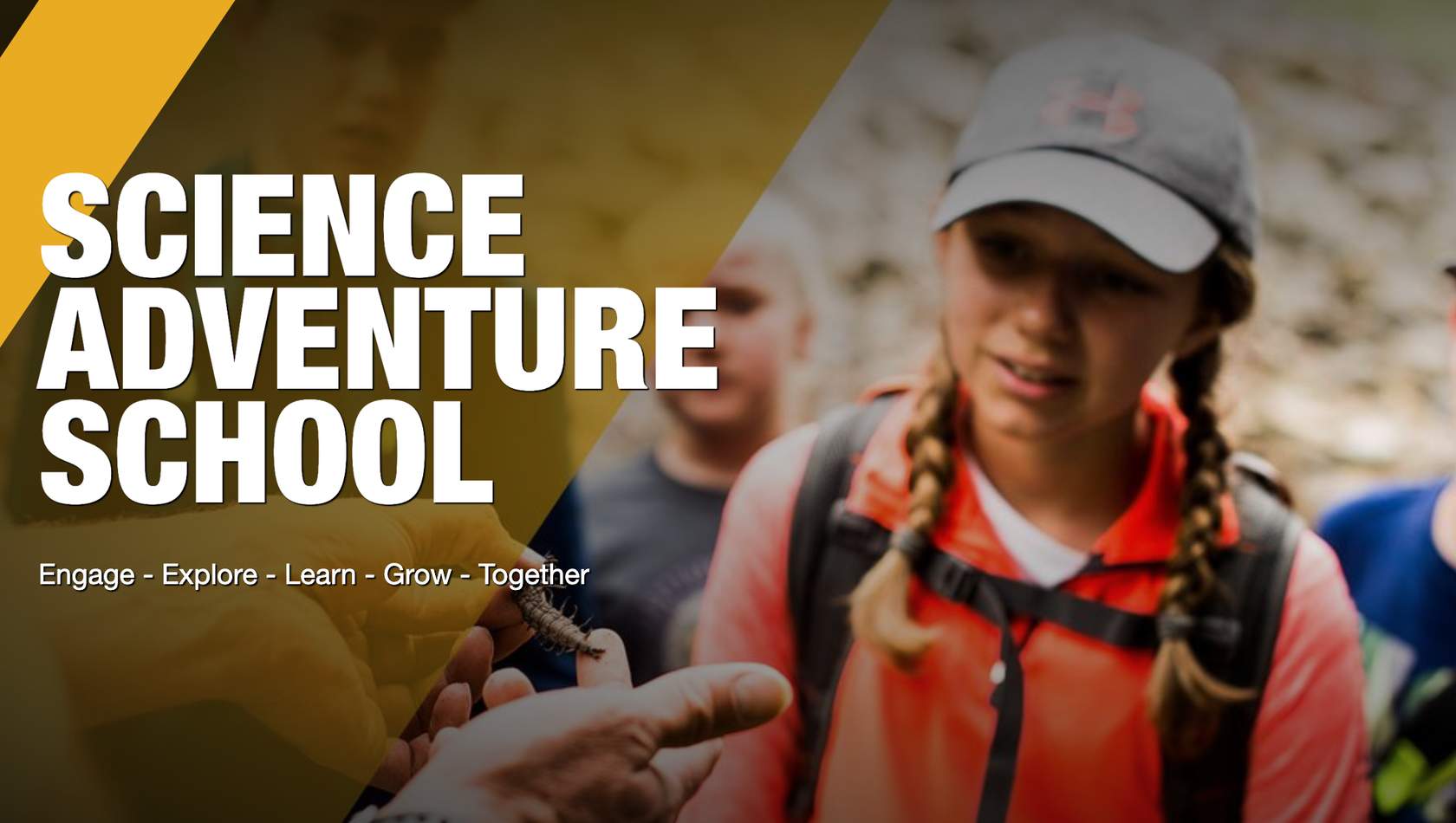
West Virginia University is a key player in the state's efforts. The land-grant university, who created the Brad and Alys Smith Outdoor Economic Development Collaborative (OEDC), believed that leveraging outdoor recreation would lead to a prosperous future and attract investment and opportunities. Another key element in the strategy is emphasizing the importance of connecting youth to the outdoor industry through STEAM and STEM programs like the Science Adventure School and Science Behind the Sport, where WVU connects young minds with the outdoors and instills a sense of stewardship for public lands.
So many communities are excited and ready to grow their local outdoor economy but need a little support. We take a ‘Teach Them How to Fish’ approach to bring relevant learning, connections, and resources to the table to provide that boost to help their dreams become reality.
While West Virginia’s leaders know the state has a long way to go (West Virginia ranks 49th in the country for average % of change in value added to the GDP through the outdoors, 50th for population loss, and 47th in the country for overall health), West Virginia's outstanding outdoor resources and state-level collaboration are offering a pathway to economic growth, social development, and improved well-being for both its residents and visitors.
Final Advice: Do the Work in Advance
While those of us in state government would like to lift-up every initiative, resources and time are limited, which means we need to be selective and concentrate our efforts where we can be confident that they will be impactful. Nothing gives us this confidence more than communities that demonstrate two things: first, that they are prepared, having taken a planful and step-by-step approach; and second, that they are collaborative, having built inclusive and active partnerships.