In this section:
- Description of brand development
- Examples of recreation community brands
- Regional approaches to brand-building
A well-articulated community brand can both attract new visitation and attention to a town or region while sustaining local character, values and increasing local pride.
Branding is a lot more than creating a logo and tagline. It requires that the community understands the mindset of the brand and works together to deliver on the brand promise. Integrating a brand into a community is key and outreach is essential to branding success.
At the highest level, rural communities can't be all things to all people — they are often so hungry to attract new residents and businesses, prospects end up not being a good long-term fit or align with their own values and offerings.
Brand development may include designing logos, signage, marketing materials, and a mission and vision statement, identifying a consistent voice for external engagements, and creating a strategic plan. These efforts give a degree of control to the local community about how they are perceived and treated by visitors and locals alike and set a trajectory for further development.
It is wise to first do research of locals and visitors alike to understand existing perceptions of a town, region, and its recreation destinations. What is its reputation? How is it stereotyped? What would have to be addressed to change these things?
A small but significant shift in approach comes out of Old Fort, NC, where they have resisted the urge to brand themselves as a world-class mountain biking destination and receive such recognition in outdoor publications and other media. Instead, they are focusing broadly on the value of the forest to the community, hoping to attract new visitors and partners at a more manageable rate.
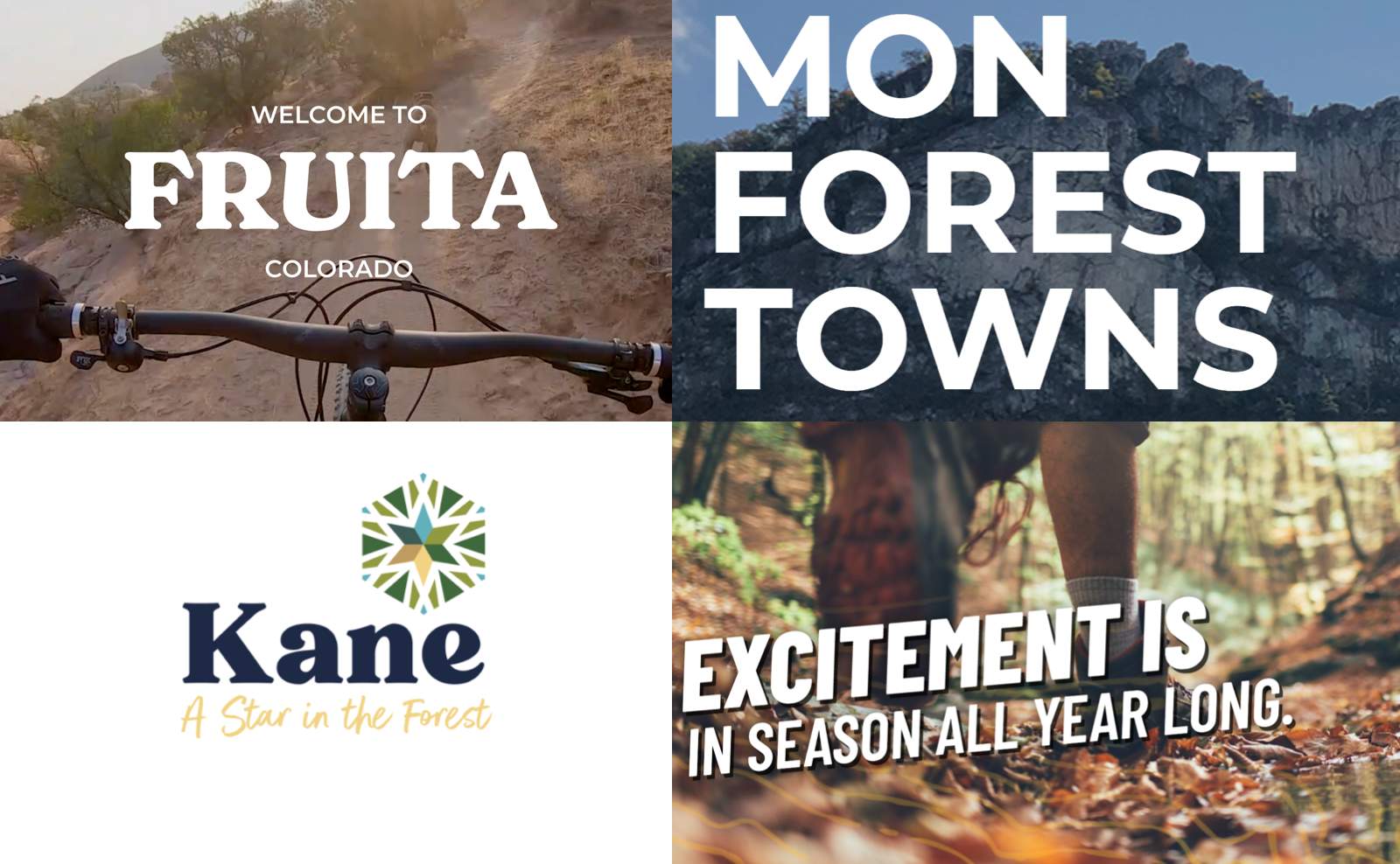
Once a brand is identified on paper, the community needs to live and breathe its identity through a variety of channels, including traditional and social media, local messengers, elected officials, passive signage, events, and other organizations. An ideal motto, logo, or slogan is one that both attracts visitors and residents from the outside and also inspires long-time residents.
An example of effective community branding from the town of Fruita, Colorado can be found below.
Regional Brand-Building
Even more effective can be brand-building for an entire region, as it can convince potential visitors who may not want to visit just one town into taking a trip to sample from different areas, while allowing towns to share bandwidth and resources for the common good. The York County Trail Towns is one strong example — seven communities adjacent to public trails display a stamp of approval as a Trail Town, demonstrating their goal to embrace the trail as an opportunity for economic growth and improved quality of life. Each town utilizes its existing resources, character and local businesses to develop a memorable and inviting trail experience for users including residents and out of town visitors alike.
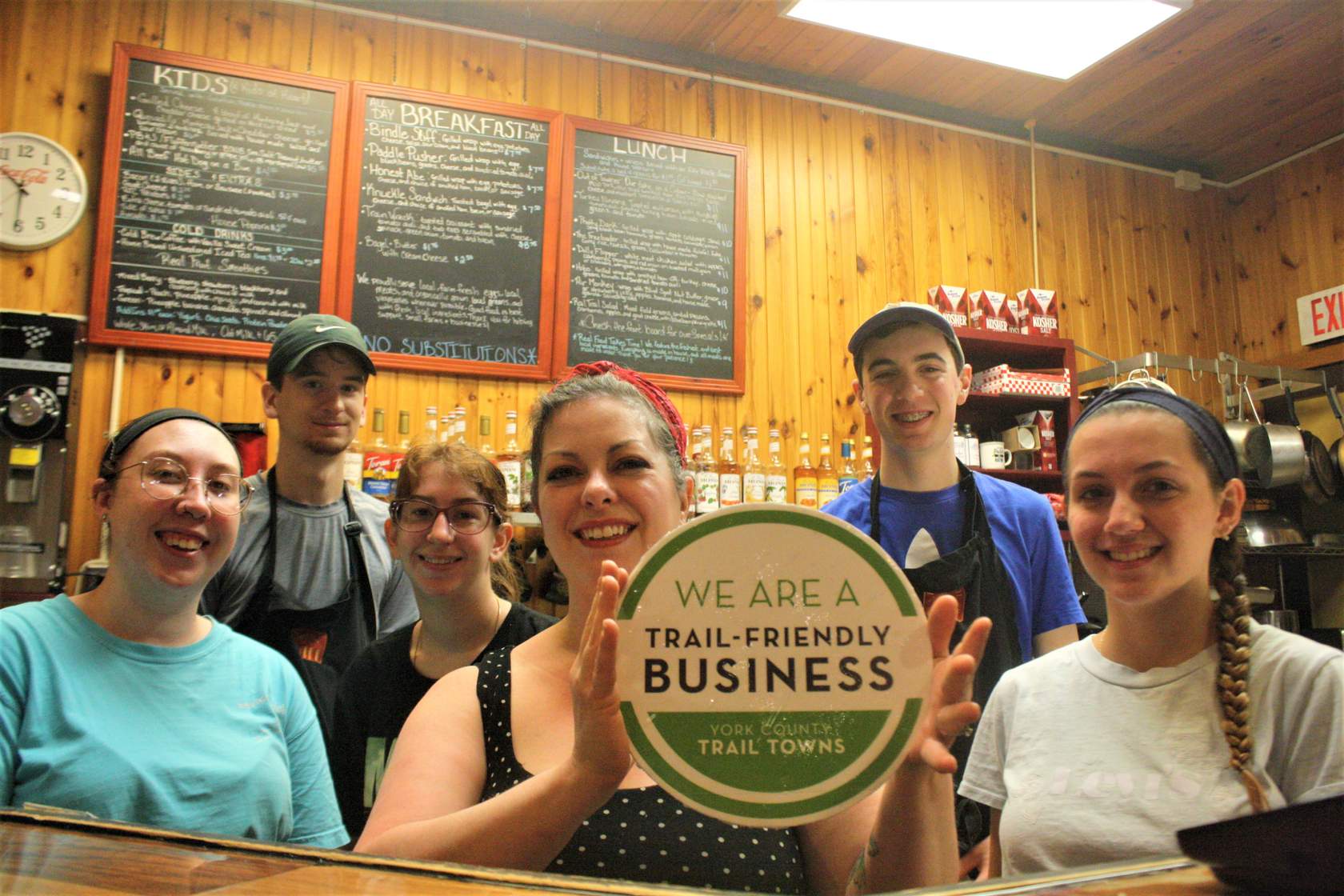
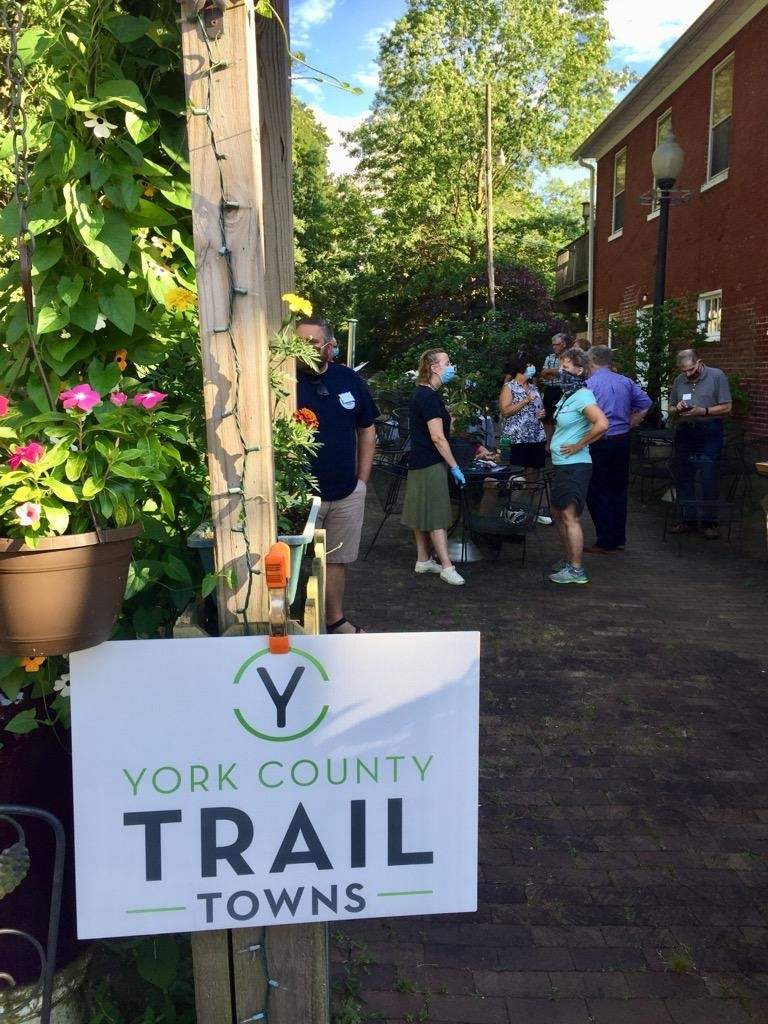
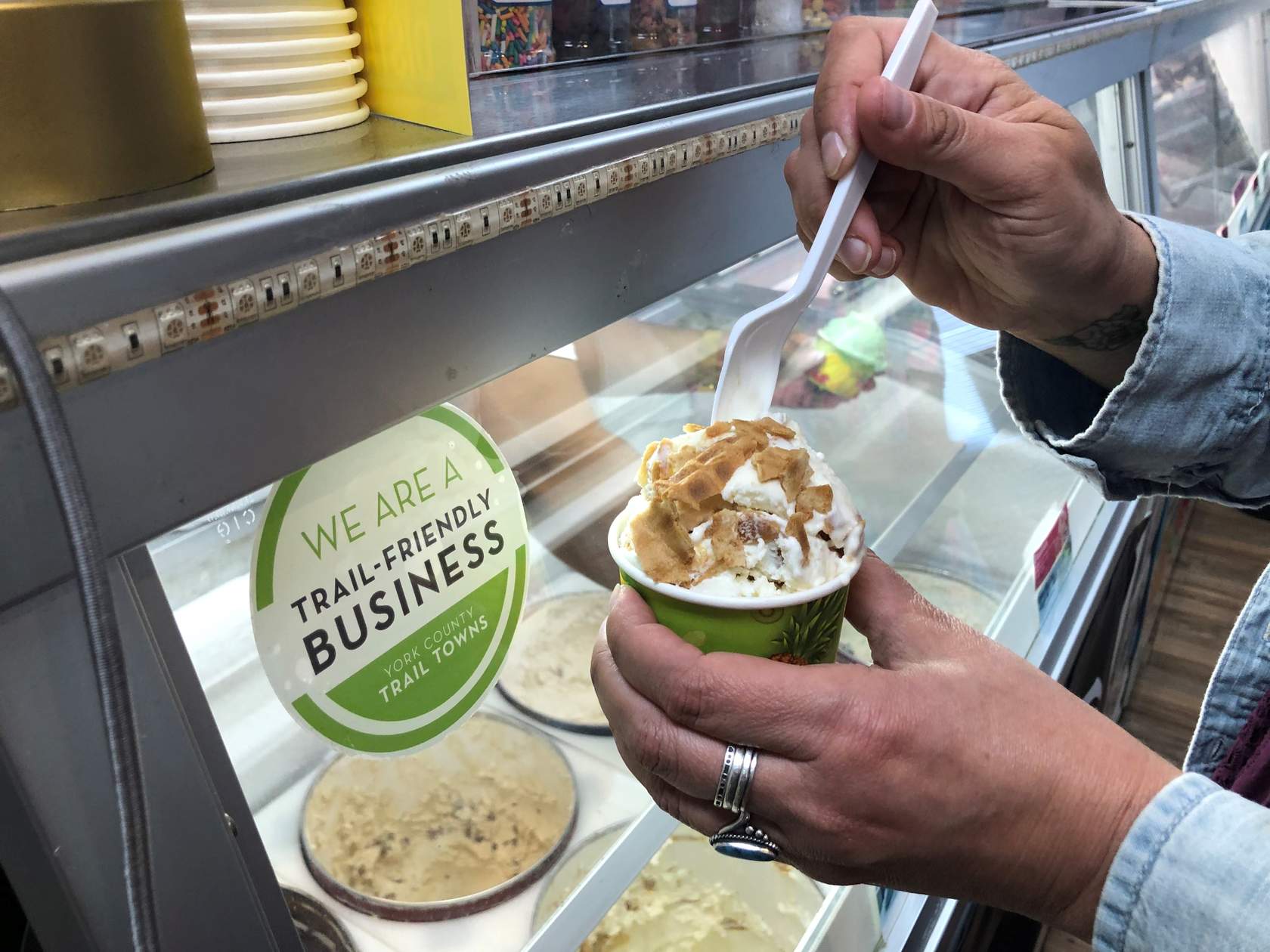
The Trail Towns initiative has proved impactful — Silas Chamberlin, one of the founders of the program, shared these metrics for success.
- Of Heritage Rail Trail users, 68% report spending directly associated with their trail use. Average annual spend per trail user increased from $300 in 2017 to $694 in 2022—a 131% increase.
- In 2022, we estimated 263,856 annual visits to the Heritage Rail Trail, resulting in a total economic impact of up to $3.9 million on the local economy.
- Our Trail Friendly Business program now includes 49 designated businesses, ranging from outfitters to grocery stores to lodging to restaurants, bars, and cafes.
- Since launching Trail Towns, we have helped create 16 new businesses that are trail oriented or were influenced to open by proximity to the trail.
- We have provided mini-grants of up to $5,000 to 81 different Trail Town businesses totaling $138,000, with more than half allocated to minority and women owned businesses.
A place-based brand is a powerful thing. 'I love NY' makes $30M a year for the public good. 'Keep Austin Weird' has helped turn a sleepy college town into one of the fastest-growing cities in America. We don’t want to be NYC or Austin. Our place-based brand is built around our region’s tremendous public lands and outdoor experiences, maker culture, stewardship ethic and rural lifestyle.
But we know if we continue to invest in this brand, and build the systems around it that enable local businesses and rural communities to leverage it, that will have a huge economic impact.
Maine Outdoor Brands, a trade alliance of more than 200 members, launched a single online storefront in November 2025 where shoppers can buy from many Maine outdoor brands in one cart, starting with 25 member brands; a portion of every sale funds the alliance's work. It's a model other rural regions can use to build a shared regional brand and pride in what's made there.
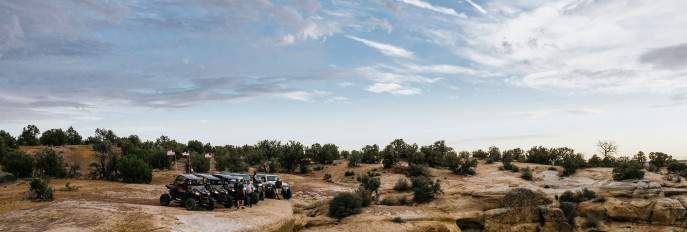
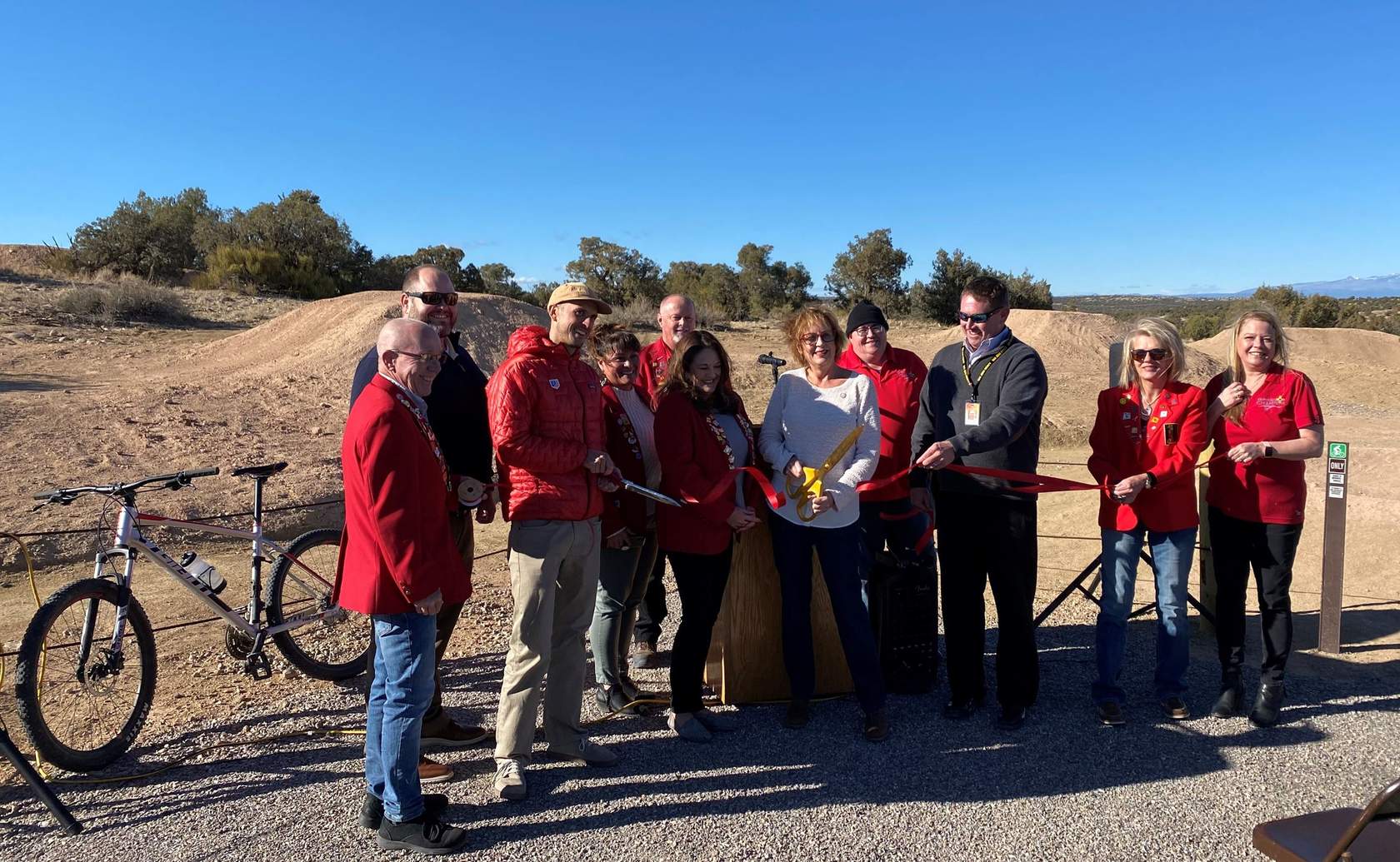
Warren Unsicker, the Director of Economic Development and Outdoor Recreation Industry Initiative in Farmington, New Mexico, is working with key partners in his community to help diversify Farmington’s energy based economy. When thinking of new economic ventures, outdoor recreation rose to the top as a key target, given the natural beauty and recreation infrastructure in the surrounding area.
The community knew right off the bat that this effort couldn’t just be tourism-focused as they needed a similar quality of work for former energy workers, so Unsicker has spent much of his time on business attraction, seeing the potential for Farmington to be a hub for several different types of outdoor manufacturing businesses in the future.
Thanks to a well timed feasibility study, the Farmington Convention and Visitors Bureau was able to lay the groundwork for the ORII program by proving that Farmington was not only the perfect place to recreate, but an ideal proving ground for outdoor recreation equipment manufacturers.
To build the initiative and garner support, the Farmington CVB and the city’s ORII Department hosted several public charettes to inform the community of their plans and generate public buy-in in the process. The community was bought in on the opportunity, knowing that they are an economic center for the four corners region.

It really comes down to getting buy-in, and we were lucky to have that baked in. Everyone already had hands in the huddle and it was just a matter of getting focused in a specific direction. We never ram-rod a solution and say everyone has to do it— we focus instead on keeping the momentum going and showing benefit to stakeholders to keep people engaged and make it almost impossible to say no."
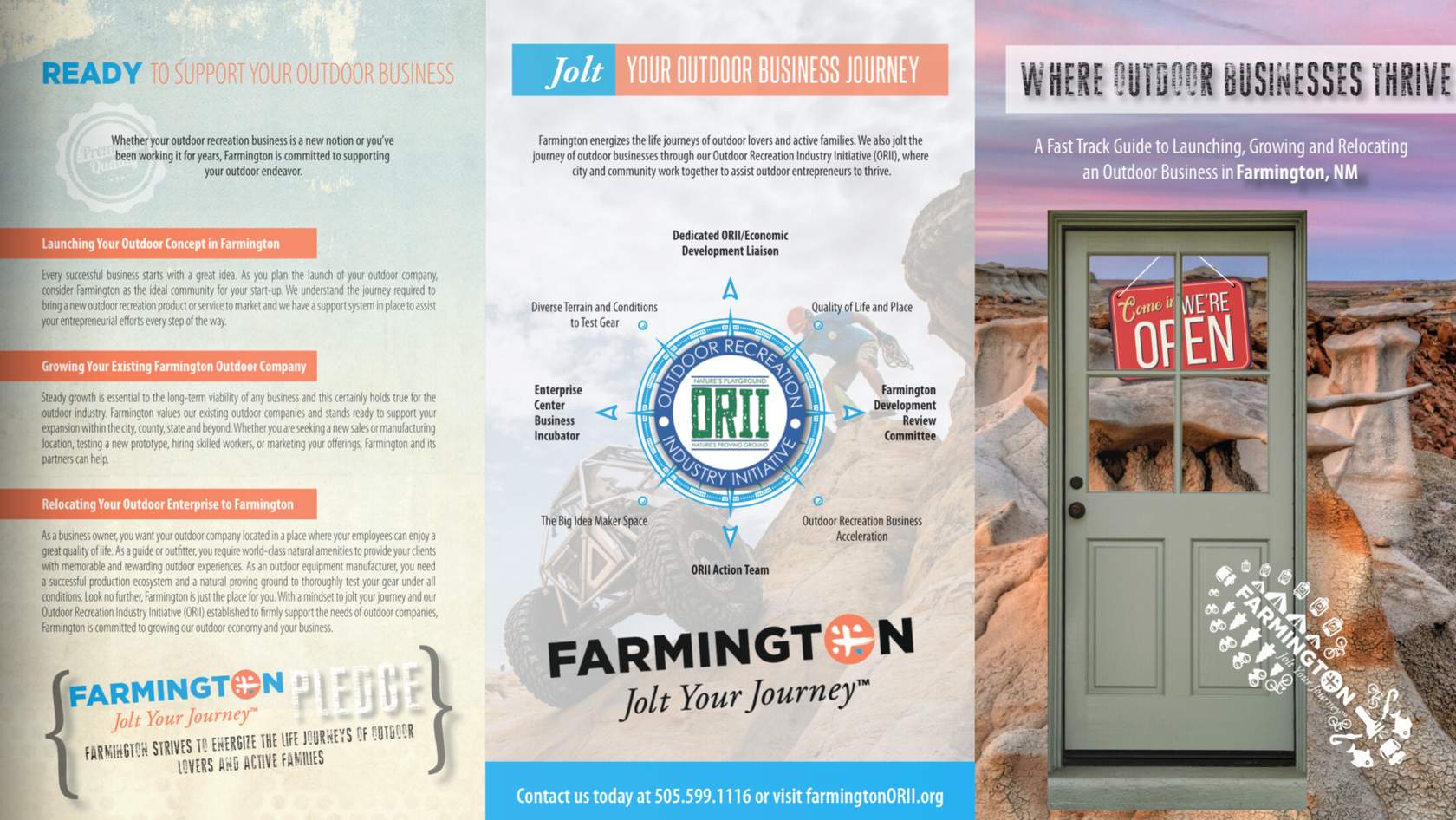
As a part of this initiative, Unsicker utilizes two core messages:
- “Nature’s Playground,” to establish that Farmington is a great place to live and play for outdoor lovers and active families
- “Nature’s Proving Ground,” a message targeted at potential businesses to highlight that Farmington has diverse terrain and conditions to test gear, a dedicated economic development liaison, and other various technical assistance programs for new businesses
In the greater region, they have recognized the opportunity to attract seasonal visitors from Colorado in the shoulder season who might be eager to escape the snow and rain and have started to market the high quality of life for employees as well.
On top of business recruitment efforts, Farmington also provides training for business leaders to be better ambassadors when working with clients, knowing that a successful experience at one business increases the likelihood of a repeat visit that benefits everyone in the community.
Finally, Unsicker and his team crafted a “Farmington Outdoor Recreation Pledge” to address potential unintended consequences of advertising access to the outdoors. The Pledge is aimed at locals and visitors alike, and features four core tenets for people to commit to when recreating outdoors in Farmington.
With great momentum behind their work to date, Farmington has several exciting projects in the works for 2024 and beyond.