In this section:
- Funding 101
- Advantages of regional partnerships
- Examples of funded initiatives and funding mixes
- Using data effectively
- Strategies to build strong relationships with funders
Committed funding partners are an integral component for outdoor recreation collaboratives to have a real impact in the community.
Having the right people at the table (including potential funders) during initial planning tends to increase enthusiasm from funders and ensure that all channels for funding and technical assistance are explored.
The importance of broadly representative stakeholder groups can not be emphasized enough. When business owners, health care providers, community developers, local government officials, conservation groups, and tourism promoters are all expressing a common vision and shared commitment to funders it is hard for them to say no. Even better though, it gives funders confidence that the community is indeed committed to working together both during the course of a project and into the future.
Even a small grant can be helpful in a number of ways, for example: paying for the time of a local employee to develop applications for additional funding, paying for small projects like signage or website redesigns that will help spark momentum, providing seed funding that can be matched by local community foundations and other sources of support to build up to a bigger grant match.
Module: Funding 101
The Basics
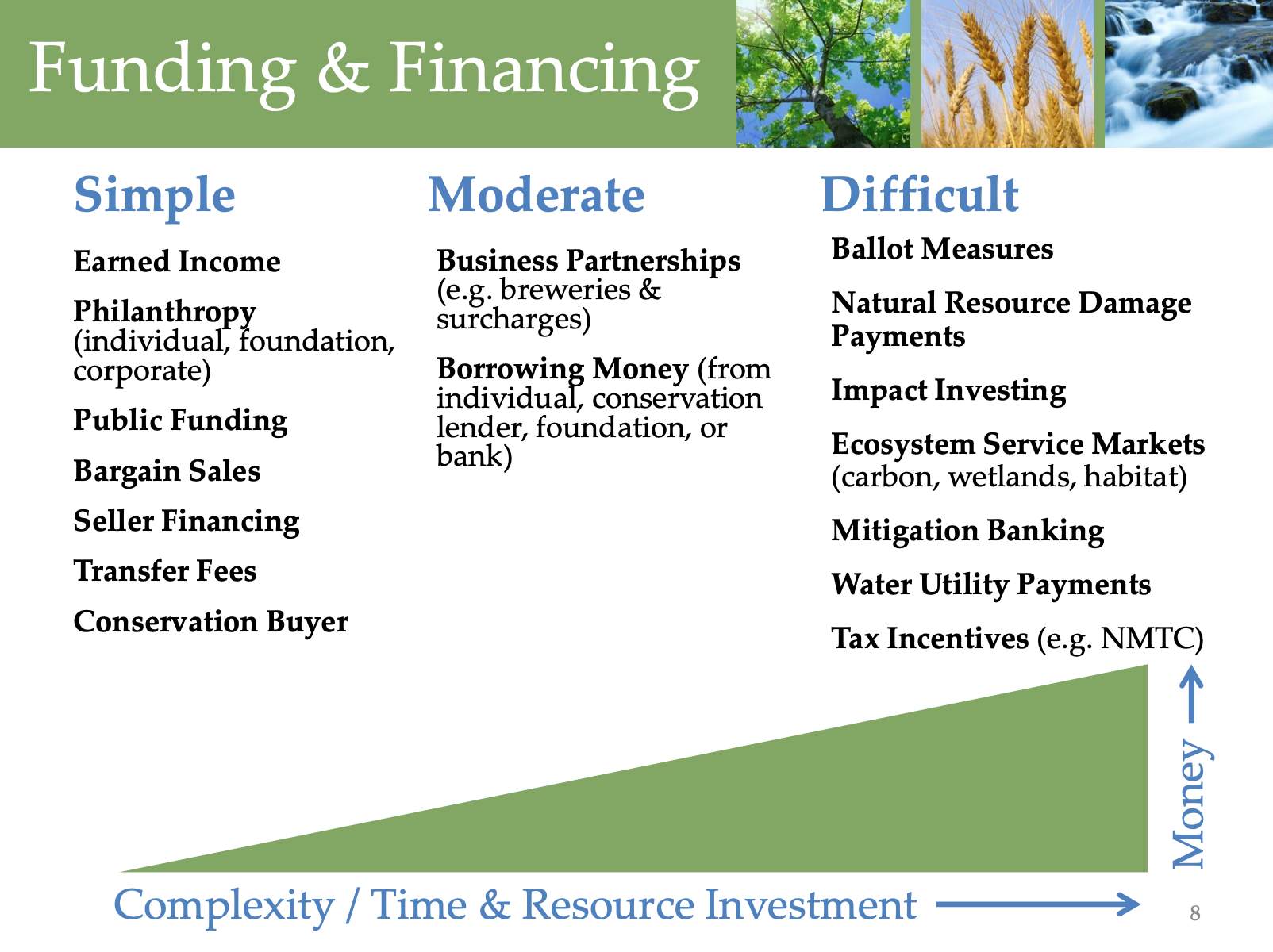
It is helpful to familiarize oneself with the multitude of options available via the graphic above from the Conservation Finance Network, organized in terms of the degree of complexity, time & resource involvement.
Outdoor recreation infrastructure has historically relied more heavily on the “Simple” to “Moderate” funding sources above, though state funds for outdoor recreation developed through ballot measures exist in most states.
Examples from States
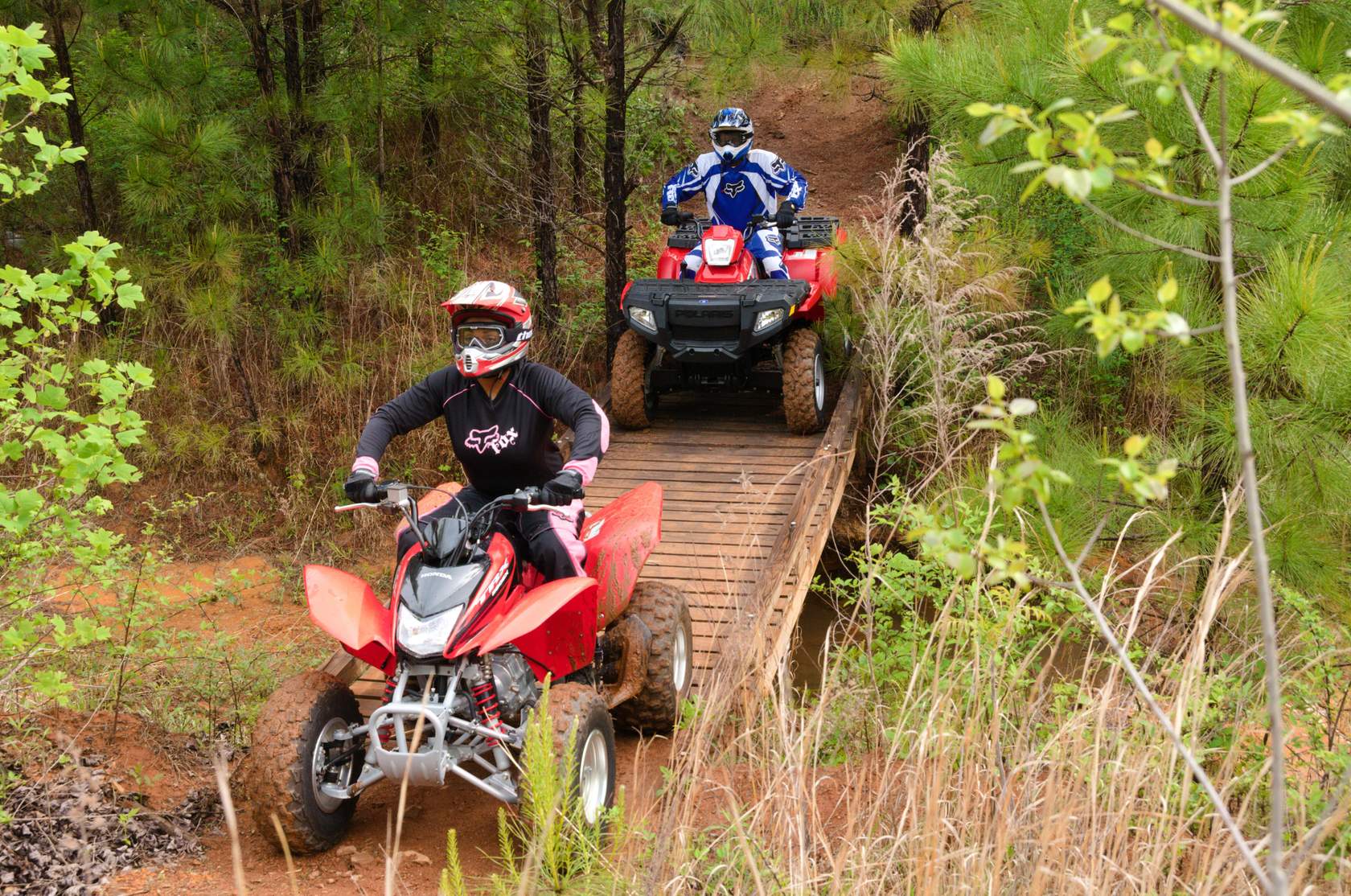
Outdoor recreation project financing can look a number of different ways, from:
- Using lottery proceeds to support outdoor recreation. Since 1992, Great Outdoors Colorado has invested over $1.3 billion in lottery revenues to fund 5,500 projects in all of the state’s 64 counties. (Great Outdoors Colorado)
- Selling 103 miles of permanent trail easements to the Michigan Department of Natural Resources to enable snowmobile activities. (Lyme Timber)
- Public-private partnership between Yamaha, U.S. Forest Service, and Georgia Recreation Trail Riders Association to benefit the Oakey Mountain OHV Area Enhancement Project and repurpose a decommissioned campground near the North trailhead into a 6-site day use area complete with new grills and picnic tables. (Great Outdoors Fund)
1 of 5
Interviewees identified the following funding sources for outdoor recreation economy development from organizations including, but not limited to:
Public Sector
- Federal Government
- Appalachian Regional Commission
- Bureau of Land Management
- Department of Transportation
- Economic Development Administration
- Environmental Protection Agency
- Federal Emergency Management Agency (FEMA)
- National Park Service
- Northern Border Regional Commission
- U.S. Fish and Wildlife Service
- Land and Water Conservation Fund
- Dingell-Johnson and Pittman-Robertson State Funds
- U.S. Forest Service
- USDA Rural Development
- USDA Natural Resources Conservation Service
- Public Colleges/Universities
- Local Government and Affiliated Programs
- County Commissioners
- Departments of Economic Development
- Economic Development Districts
- Town Council
- Workforce Investment Boards
- State Government
- Departments of Economic Development
- Departments of Conservation and Natural Resources
- State Business Development Initiatives
- State Offices of Outdoor Recreation
- State Outdoor Recreation Grants
- Great Outdoors Colorado
- Maine Outdoor Heritage Fund
- New Mexico Outdoor Equity Fund
- New Mexico Outdoor Infrastructure Grant
- North Carolina Parks and Rec Trust Fund, Clean Water Management Fund, Outdoor Heritage Act
- UCORE Outdoor Recreation and Education Grants
- Utah Outdoor Recreation Grant
- Vermont Community Grant Program for Development of Outdoor Recreation Communities
- Washington Wildlife and Recreation Coalition
- Land and Water Conservation Fund — State Side Funding and Outdoor Recreation Legacy Partnership Program
- State Parks
- State Rural Development Initiatives
- State Water Utilities
Non-Profits
- National Nonprofits
- Local Nonprofits (Health, housing, land trusts, business development, conservation, education, etc.)
- Community Development Financial Institutions (CDFIs)
Private Sector
- Private Foundations
- Outdoor Businesses and Affiliated Foundations
- Private donations
A newer source to watch: some states are directing federal Rural Health Transformation Program funds to outdoor recreation as preventive health. In July 2026, Connecticut awarded $7.17 million in first-year funding toward a planned five-year, $40 million project to improve access along the 50-mile Air Line State Park Trail; future years depend on federal allocations. In September 2026, Arkansas funded trail and park projects through its Healthy Eating, Active Recreation & Transformation (HEART) awards.
Private Fundraising
In addition to the public funding opportunities listed above, private fundraising among community members can be an important addition to a community's funding mix.
"We fund our projects through a combination of public engagement. We have a few Winter Wildlands Alliance film festivals each fall and winter, which raise a lot of revenue. Local merchants— including ski shops, restaurants, inns, and others, as well as larger outdoor ski, backpack, and equipment manufacturers donate items for silent and live auctions.
We also have an event called Wild Corn in the Spring — we have all sorts of events and exhibitors and a party that goes into the night. We've also got some big individual donations from folks, and our expenses are fairly low."
- Rick Jenkinson, Glade Chief, Granite Backcountry Alliance
As highlighted in a recent report from the Aspen Institute Community Strategies Group on outdoor recreation economy development, as communities create economic development strategies, special consideration should be given to the entities who control access and the degree of connection they have to the community.
An eagerness to court outside investors can inadvertently contribute to absentee ownership of and value leakage from local assets, utilities, businesses, and housing and move value generated in the community.
To prevent these outcomes, local ownership should be prioritized when possible to keep dollars within the community. Philanthropic partners, local lenders, and federal agencies can provide matching funds, loan guarantees, and other capacity support to help local entities become more competitive in financing new projects.
Another emergent strategy to capture value locally is the worker-owned cooperative, in which workers own and control a business and earn annual patronage dividends.
To capture the attention of funders, communities can effectively wield a variety of data sources to illustrate the economic, social, and public health opportunity. Communities should consider using data to answer the following questions:
- What does success look like for our community?
- What trends will continue if we do nothing?
- What untapped potential is out there?
- What will we need to manage for?
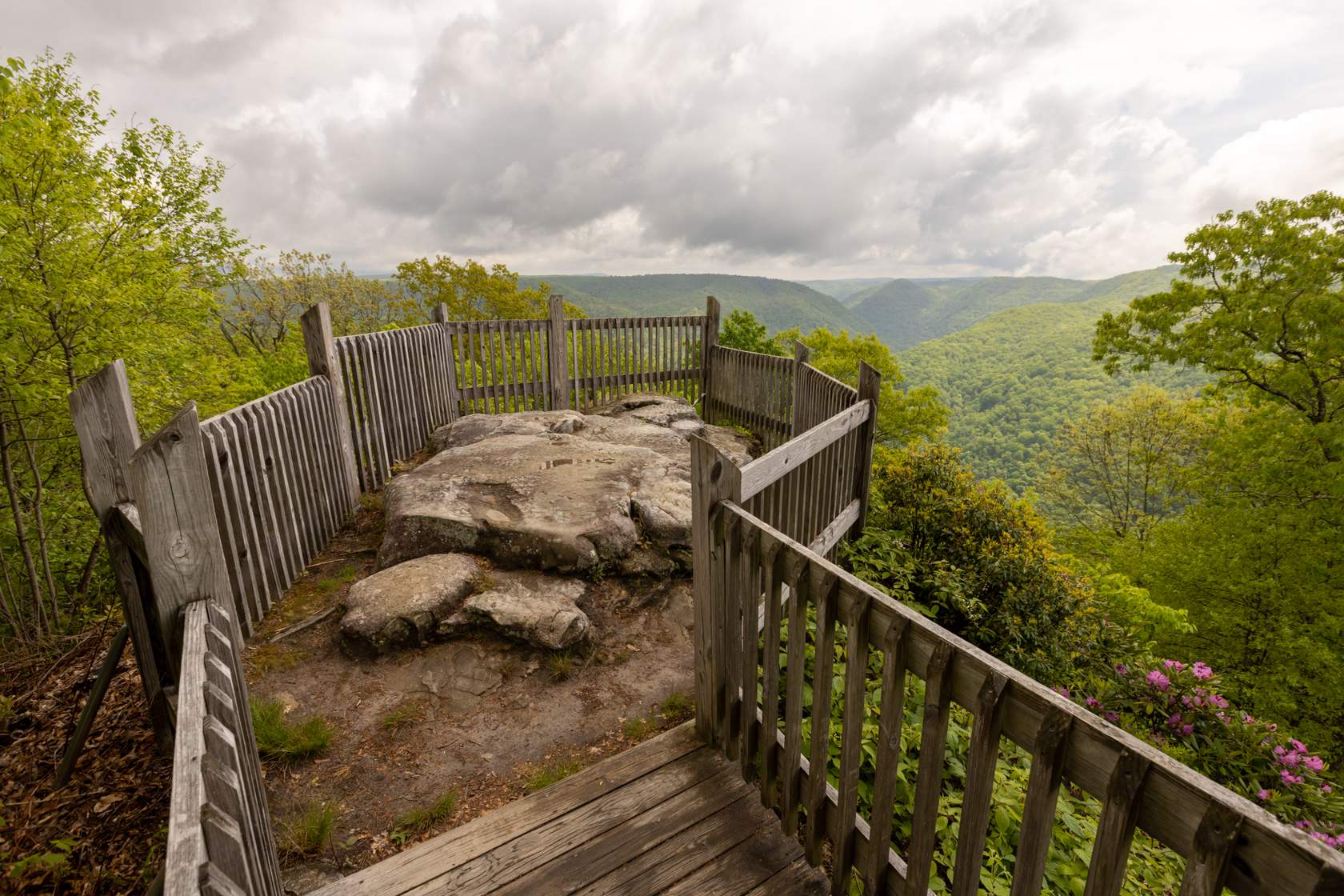
Initial data doesn't have to be overly complex: advocates can source data from regional visitors bureaus on current visitation and occupancy, talk to local planners to understand what capabilities they have to manage new visitors and residents in both hospitality and local housing, research comparable towns and the trends they are tracking, and consider the market size of people within a half day's drive and nearby population centers. In the case of Corey Lilly in Beckley, West Virginia, he told a compelling story with data including the following data points:
-
Showed the increase in visitation
Showed the increase in visitation attributed to the designation of New River Gorge as a National Park from a National River and asked whether they were also observing that increase in Beckley.
-
Worked with local partners
Corey and his team put out trail counters on existing trails to establish a baseline and changes over time, though he noted that trail counters can be time/labor intensive.
-
Provided a dashboard
Used Strava Metro, a free tool that any nonprofit or local government agency can get access to. Strava Metro provides a dashboard that allows you to see heat maps in your area of where people are going (hiking, biking, walking), demographic data (age, where people are coming from), and passive data.
-
Provided correlations
Lilly correlated investments in traditional sports and the opportunities that outdoor recreation investments offered for the community. He noticed that when people pick up outdoor skills, they stick with them for a longer period of time than traditional sports, presenting a valuable opportunity to support his community's resilience. Lilly noted that investments in field sports typically die off as someone becomes an adult, and that without core hobbies like time outdoors people can be susceptible to drug use in their 20s as a means to fill a void, especially in West Virginia. The Beckley vision would serve as a means to avoid these potential impacts.
"With old school economic development representatives in counties, my suggestion is not to change the way we talk about economic development, just to choose metrics to hold economic development accountable for inclusivity and effectiveness.
For example: living wage jobs, square footage created for businesses, areas of open space preserved."
- Silas Chamberlin, Vice President for Economic Development, York County Economic Alliance and Founder, Firefly Outdoor + Economics
It may also be worth considering how real estate organizations would like to be involved in a funding mix or planning effort. Access to recreation adds considerable value to nearby real estate, and realtor agencies in rural areas spotlight recreation access to trails and waterways to get people interested in homes or building in the area.
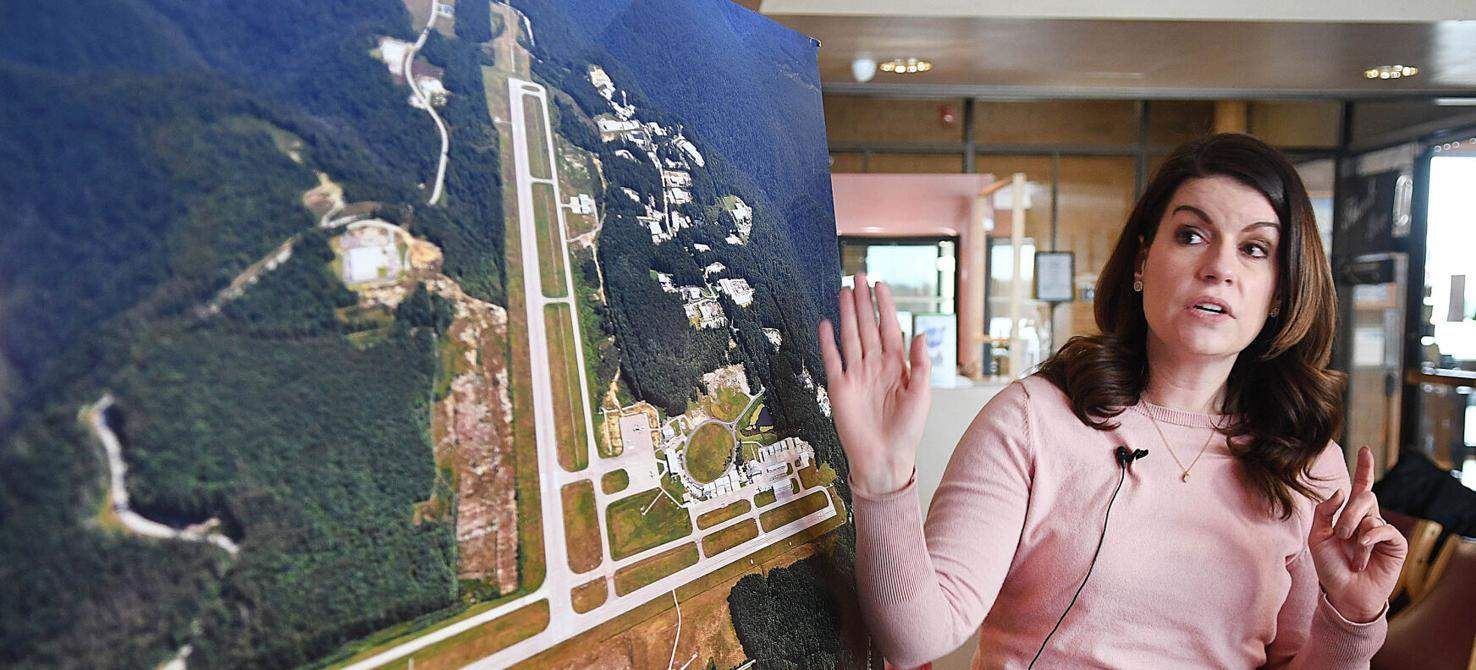
Rick Barbero, the Register Herald
Efforts to develop outdoor recreation can be elevated if it syncs with the mission and vision of local and regional economic development authorities and districts.
Communities should think regionally and share resources, identify issues of common concern, address challenges that cross borders, and demonstrate buy-in from a variety of communities to show wide impact for potential partners. Communities working together in innovative ways are going to be much more competitive for funding that’s out there.
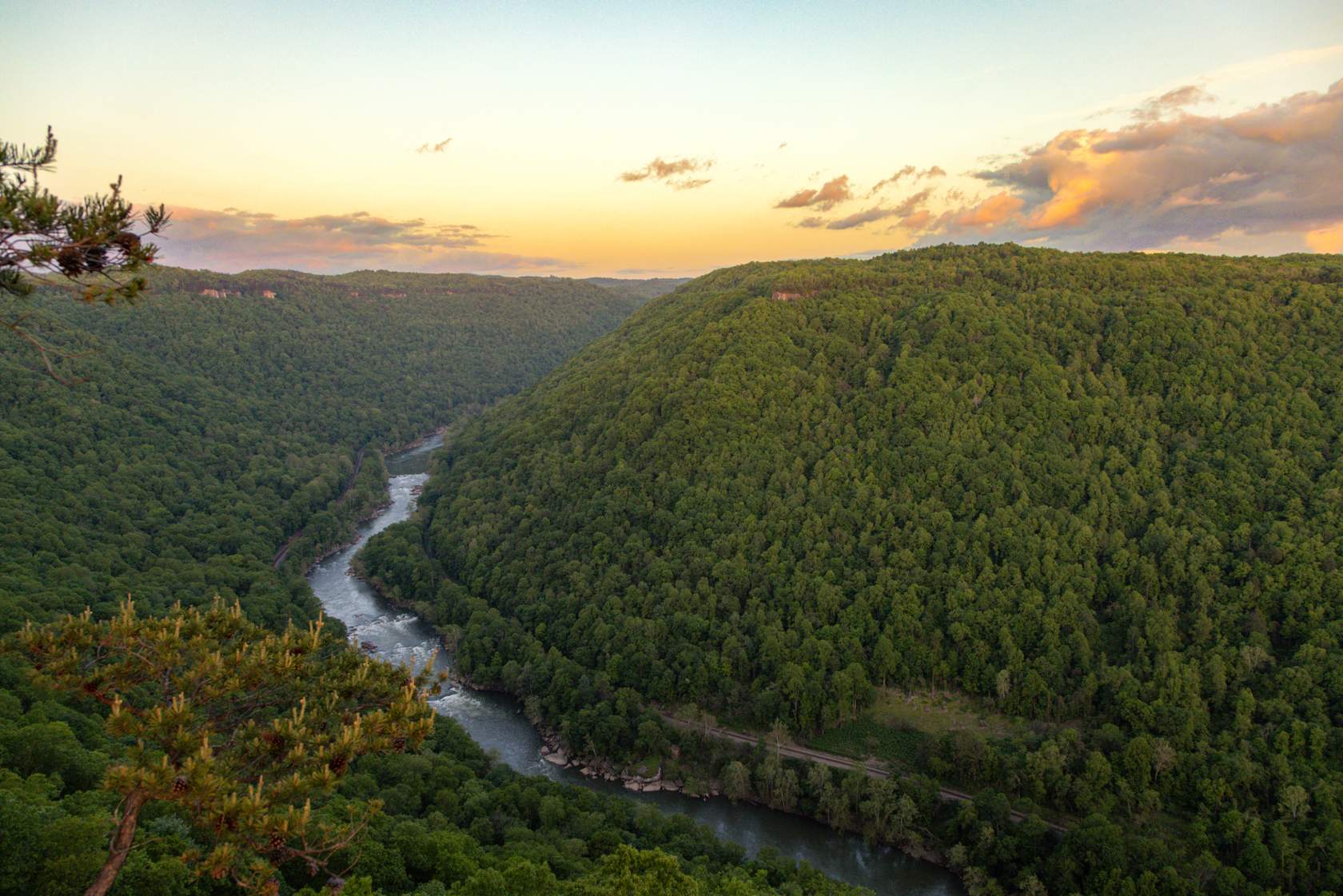
One good example is the New River Gorge Regional Development Authority (NRGRDA), who has become a catalytic partner in supporting local economic development in rural West Virginia. Outdoor recreation as an economic driver was part of the regional vision that formed NRGRDA in 1988, stemming largely from the impacts of the National Park Service presence at the New River Gorge National River.
NRGRDA stimulates the regional economy through business expansion and retention efforts, including an extensive portfolio of financial services, the management of sites for new companies locating to the region, and serving as a point of access for local service providers which offer a variety of technical assistance for business owners.

From a regional perspective, when a municipality approaches another municipality, there can be the perception that they are competing with one another, but when a regional organization like ours gets involved we can look at each community’s unique contributions and capacity, come up with tactics and strategies for planning, lay out a roadmap for financing outdoor recreation infrastructure and initiatives, and build a cohesive vision for a region. Our approach is that someone is always going to be upset but we are going to continue to grow around detractors until they are forced to align.
NRGRDA has been tasked by Senators Manchin and Capito in West Virginia to lead a working group on outdoor recreation as an economic driver and identify projects for readiness based on technical engineering and design. In the future, this work aims to include a regional trail plan to connect gateway communities to the New River Gorge National Park.
While great progress has been made, NRGRDA notes that it can be difficult to achieve partnerships when few levels of government have prioritized outdoor recreation from a budget standpoint. In their future plans is helping increase the ability for local government and communities to communicate the importance of outdoor recreation infrastructure and the wide benefits of the growth of the local outdoor recreation economy.
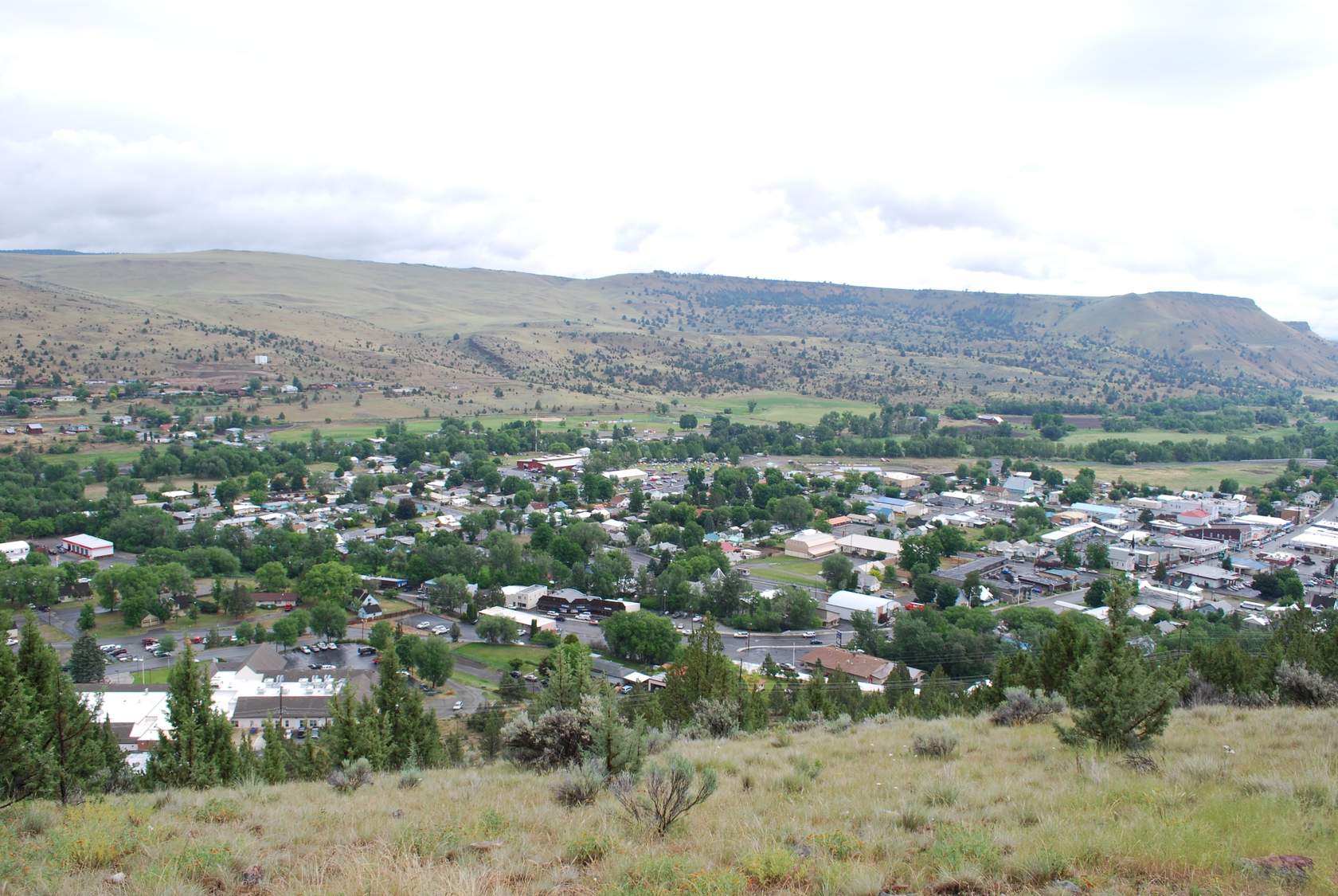
John Day, OR was a recipient of technical assistance through the first cohort of the Recreation Economy for Rural Communities (RERC) program, intended to support communities looking to build their economies around recreation assets.
They also received an implementation grant from the Outdoor Recreation Roundtable to implement their economic development plan.
Their investment strategy (graphic shown below) connects to cross-cutting themes in greenhouse development, marketing and tourism, broadband infrastructure, business development, new opportunity areas, and housing.
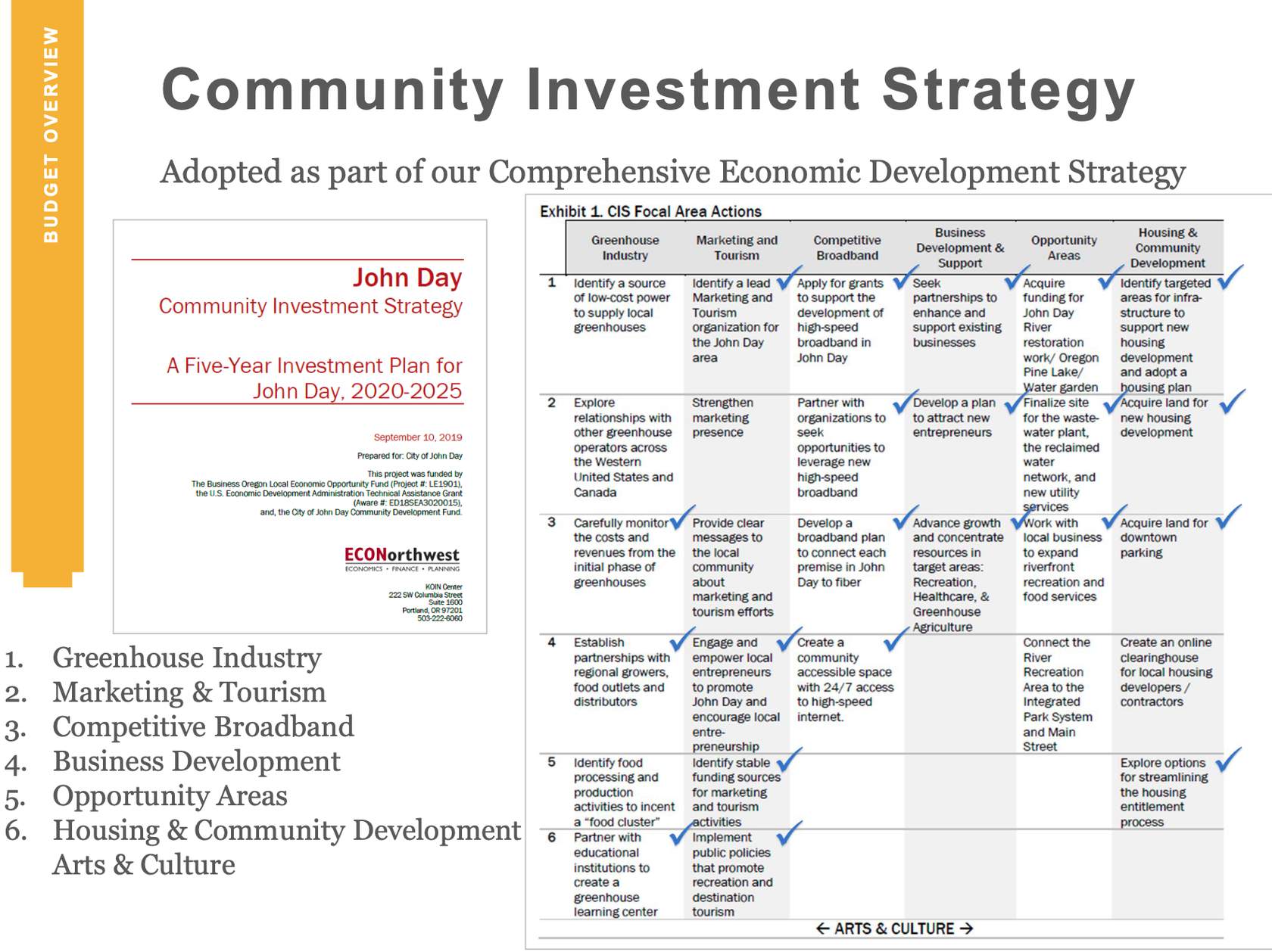
To support these goals, they were able to secure funding from a broad variety of public and private funding partners, including:
Federal
- U.S. Economic Development Administration CARES Act Funding for broadband
- U.S.D.A. Rural Business Development for Rural Entrepreneurial Development
State
- Oregon State Legislature (House Bill for a new interpretive center, aquatics center, wastewater treatment plant, 911)
- Business Oregon Community Development Block Grant (Construction, Engineering) for Waste Water Facility Construction and Engineering
- Business Oregon Brownfield Redevelopment Grant
- Oregon Department of Transportation Safe Routes to Schools for sidewalks
- Oregon Parks and Recreation Main Street Revitalization for building purchase
- Oregon Parks and Recreation Recreational Trails Program for Phase 1 of trail system
- Oregon Department of Emergency Management Disaster Recovery for street repairs from flooding
- Travel Oregon Destination Ready for outdoor restrooms
- Oregon Department of Land Conservation and Development Technical Assistance/Planning Grant for Housing Development District
NGO
- Ford Family Foundation Growing Rural Oregon
- Outdoor Recreation Roundtable for signs and wayfinding (and helped unlock additional funding opportunities)
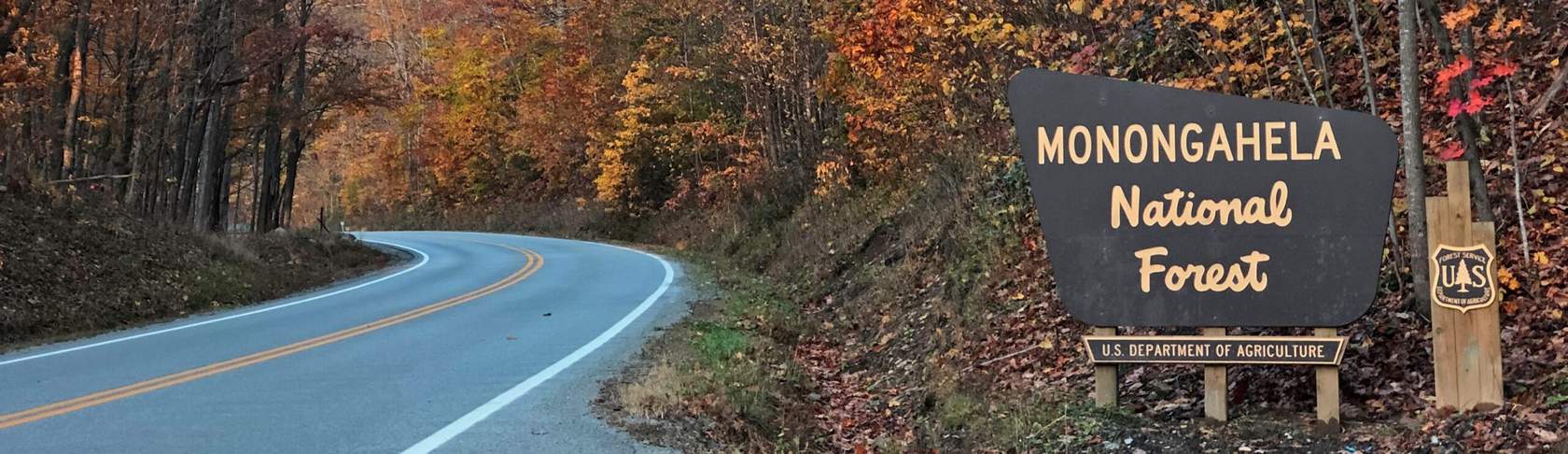
In an interview, Doug Arbogast, an Extension Specialist at the West Virginia University Extension Service, shared the following funding mix that the Mon Forest Towns Partnership has utilized to support partnership activities to build the economies of the twelve rural towns surrounding the Monongahela National Forest.
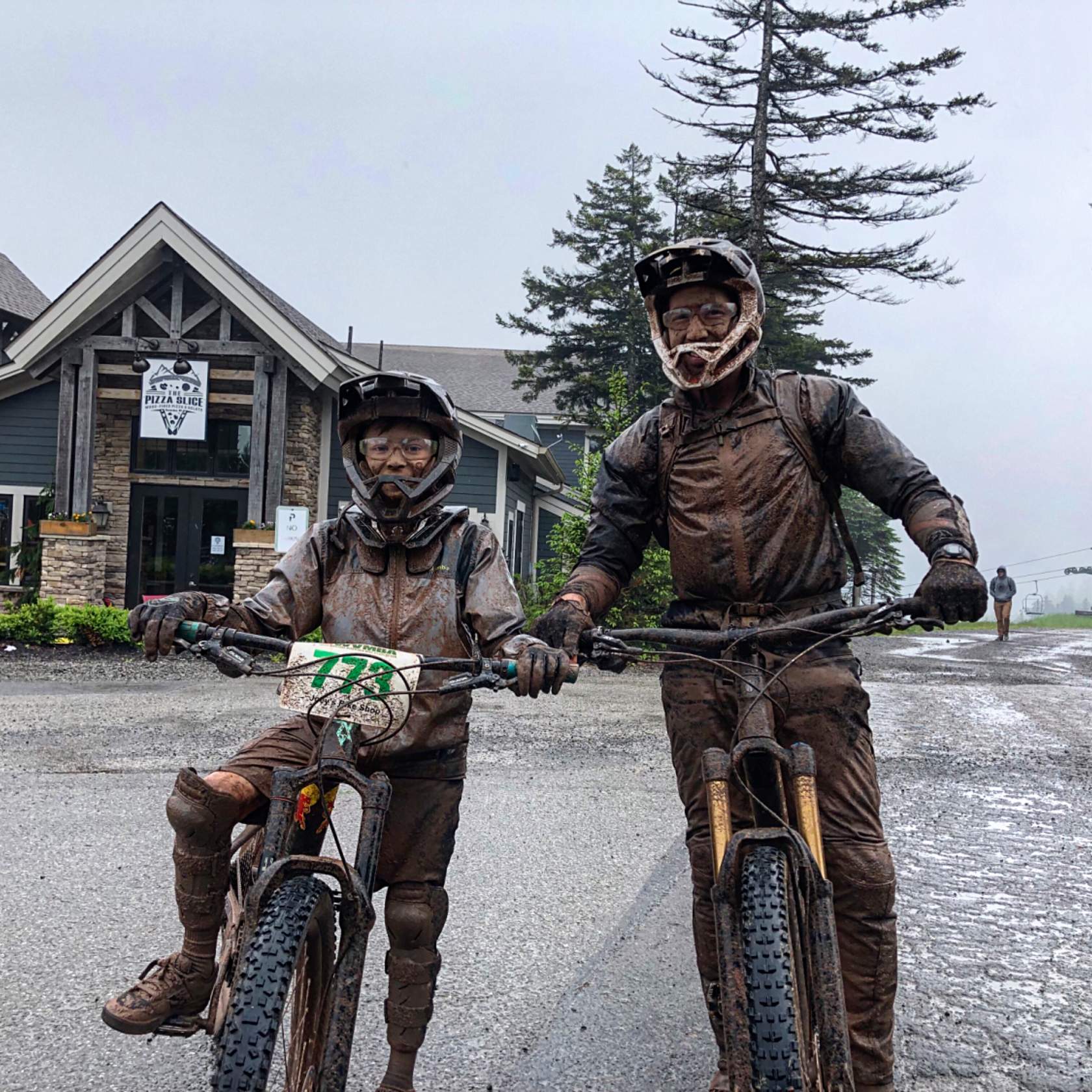
The initial funding partners in the partnership were:
Federal
- Appalachian Regional Commission POWER Grant for technical assistance and implementation of volunteer trail maintenance program, trail plan, development-ready downtowns, and Monday Lick Trail System construction
- Appalachian Regional Commission State Area Development Grant to expand Recreation Economies initiative statewide
- USDA Rural Development Rural Community Development Initiative for West Virginia Community Development Hub
- USDA Rural Development Rural Business Development Grants to hire a firm to assist with creating a comprehensive marketing plan
- U.S. Forest Service Secure Rural Schools for signage, infrastructure, and banners
- USDA Community Facilities Technical Assistance and Training Grant to identify key projects to implement over the coming years
Regional
- Central Appalachian Network Woodlands Development Group for business advice and funding assistances for local businesses
- Central Appalachian Network Woodlands Development Group Just Transition Fund to help formalize the Partnership's structure
State
- West Virginia University Community Engagement Grants
NGO
- Claude Worthington Benedum Foundation for capacity building for the partnership and mini-grants for signage
Mon Forest Towns was surprisingly successful early on in writing grants and I think that built momentum and alignment from the towns and other stakeholders around the initiative. Two of the grants that they were awarded hired grant writing services for the fledgling organization and the towns. Also, it was critical that Mon Forest Towns had several different organizations willing to serve as applicants/
fiscal agents/ for their grants.administrators
This news coverage captures the kick-off for the Mon Forest Towns Partnership in 2021.
ORR's Rural Grant Programs
Small grants can open doors for rural leaders. ORR's Trail Map for Rural Development in America points to grants of $10,000 to $20,000 from outdoor companies as catalytic, and ORR's Helene Recovery Micro-Grants offered awards of $1,000 to $10,000. ORR's own grant programs follow the same approach:
- Rural Outdoor Recreation and Health Grants. With support from the Richard King Mellon Foundation, the LOR Foundation, and the VF Foundation, ORR funded 11 communities across 10 states to connect outdoor recreation with community health, selected from more than 100 applications representing nearly $1.5 million in need.
- Helene Recovery Micro-Grants. After Hurricane Helene, ORR's Rebuilding and Recovery Micro-Grant Program received 189 applications for grants of $1,000 to $10,000, requesting more than $1.75 million in total. ORR funded projects in five states to restore trails, access points, and other outdoor recreation infrastructure.
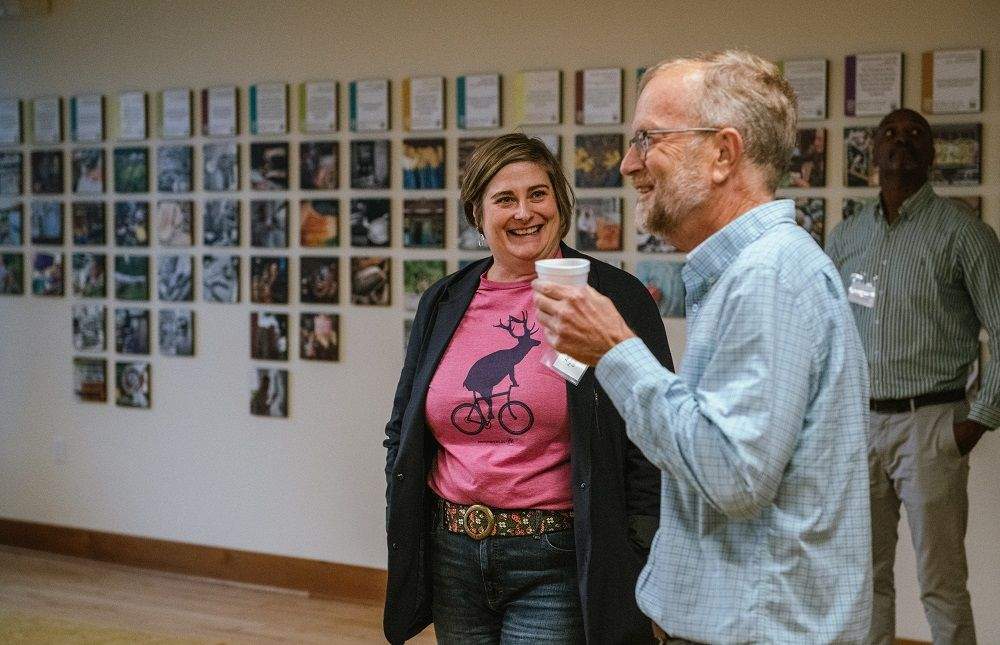
To conclude this section Ta Enos, CEO and Founder at the Pennsylvania Wilds Center for Entrepreneurship, provided two long-form pieces of advice for any community to implement in building stronger relationships with funders.
Advice: Meet Funders Where They're At
"When applying for grant dollars, we’ve learned to meet the program where it is at. It may be tempting to push the envelope and try to change minds, but an application will be more competitive using the program’s current language and priorities to make the case for funding.
Outdoor recreation is relatively new as a recognized sector of the economy, and the language and development systems around it are evolving. Not all state and federal grant programs that could be supporting it have fully figured out how.
If the funder calls it tourism, in our application we call it tourism. If our project is more focused on the manufacturing side of the outdoor rec industry, we call it manufacturing. Or we bring the application in under the banner of small business development, or entrepreneurial ecosystem development. They are all true.
And that’s what makes outdoor recreation so powerful, and sometimes misunderstood. The best bet is to see funding applications through the eyes and scoring matrix of the program you are applying to. Does your application easily check their boxes?”
Advice: Seek Warm Handoffs
"As a newer nonprofit, one thing that has helped us with grant applications is a warm handoff from another agency or person that the funder trusts. There is a lot of peer-to-peer that happens between state and federal funders and major philanthropies.
We know that what we are building is complex, and we are doing it in a distressed rural area. That can be seen as risky. The warm handoff helps build trust early on in the process. It sends the message that our work and our organization has a track record, and we are worth making time for, even if our stuff isn't the typical project they see coming across their desk.
Beyond that, we try to get our grants manager on the phone to talk through what we've submitted and answer questions, or to get them to the region to see it in real life. This helps build buy-in, and is also where we learn how to adjust our language or approach to better fit their review processes. If the process allows for it, we follow up with any new relevant wins — a new study our work has been featured in, great media coverage, etc. —that might help them make the case for our application.
We build the understanding, and the relationship, step by step. In the back of my mind, I am always thinking, 'if someone asked me to invest $1M in this project, what would I want to know and feel confident about before I gave it the thumbs up?'
Ta Enos, CEO and Founder, PA Wilds Center for Entrepreneurship